Washington hit the brakes on Big Bend’s border build after bulldozers met a wall of Texas backlash.
Story Snapshot
- Homeland Security paused construction activity inside Big Bend National Park after public outcry.
- Customs and Border Protection awarded a $1.7 billion Big Bend contract earlier this year.
- Officials said plans include vehicle barriers, patrol roads, and tech, not a towering wall.
- Local sheriffs and park veterans argue the rugged terrain already blocks most crossings.
What paused, who paused it, and why it matters now
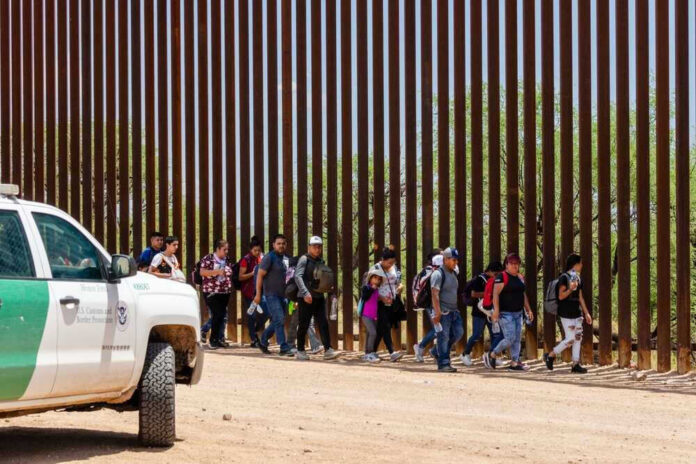
The Department of Homeland Security paused border-construction activity inside Big Bend National Park while leadership reviews the project on the ground. The step follows weeks of public pressure and footage of land clearing near iconic canyon areas. The pause does not cancel contracts or funding.
It freezes active work while Customs and Border Protection leadership evaluates routes, placement, and potential changes. The move signals federal willingness to recalibrate when local pushback and on-the-ground realities collide with plan drawings.
Customs and Border Protection this spring issued a $1.7 billion award tied to the Big Bend region, marked for “border wall in Big Bend Texas,” driving headlines and confusion about scope.
Agency briefings later emphasized a package of tools: vehicle barriers in select stretches, patrol roads, cameras, and lighting, rather than a uniform thirty-foot wall through the park. That nuance matters in a canyoned landscape where lines on a map meet cliffs, floodplains, and river bends that already slow illicit traffic.
The federal case for building in a hard place
Supporters frame Big Bend as a weak link that smugglers exploit because it is vast and remote. They argue a layered system—roads for faster response, low-slung vehicle barriers to stop drive-throughs, and surveillance—can shrink response times and close gaps that terrain alone cannot police.
Research on border barriers shows mixed results overall: structures can reduce or redirect crossings, but effects depend on terrain and sustained manpower to monitor the line. That caveat looms large in Big Bend’s canyons and desert.
Contract records show Washington’s commitment is not symbolic. The federal spending database lists a major award to Southwest Valley Constructors for Big Bend work, underscoring that this is a funded build with deadlines and deliverables, not a trial balloon.
The question is not whether the government can build. It is where the marginal security gain beats the costs in dollars, habitat, access, and community goodwill—a classic border trade-off that resists one-size-fits-all answers.
The local pushback: sheriffs, guides, and park veterans
Five Big Bend-area sheriffs issued a joint statement saying nature already supplies steep mountains, deep canyons, wide desert, and the Rio Grande as tough barriers. They oppose building inside the park, arguing it provides little extra security and creates new problems on the ground.
Former National Park Service superintendents with long service records told Homeland Security the park segment is unnecessary and highly destructive, and urged rejection of legal waivers that bypass environmental and cultural review.
Terrell County Sheriff Thaddeus Cleveland, a Republican and former Border Patrol agent, supports strong border security but opposes planned vehicle barriers in his county.
He says crews targeted places where vehicles cannot drive anyway, which makes the cost and damage look like poor judgment rather than smart deterrence. That critique hits home with budget hawks and conservationists alike: spend where it moves the needle; keep bulldozers out of needless miles.
Security, stewardship, and common sense course correction
Critics say Big Bend has historically low crossing levels compared to other sectors, and that recent years trended even lower, which weakens the case for heavy construction inside a national park.
Conservation groups add that early ground clearing damaged sensitive habitat and risked archaeological sites, especially with environmental laws waived to speed work. Those claims raise the cost side of the ledger and amplify calls for targeted, least-damage solutions away from canyon corridors and popular river access.
🇺🇲Border construction was halted today at Big Bend National Park, at least temporarily.
It just so happened that some of the park’s major attractions were in the way of a new patrol road and vehicle barriers being bulldozed along the southern border.
The work has drawn… pic.twitter.com/fOc7pLMVnW
— Mario Nawfal (@MarioNawfal) August 18, 2026
Practical border security weighs terrain, traffic, and time. Common sense demands several things. First, enforce the border with tools that work in the field, not just on paper.
Second, be prudent with taxpayer money, which means investing where vehicles can and do run loads, not where cliffs already block them.
Third, steward national treasures so security gains do not come at the expense of heritage. The pause creates room to align the build with those basics.
Sources:
apnews.com, bigbendsentinel.com, fox26houston.com, usnews.com, cnn.com, spectrumlocalnews.com, newsweek.com, san.com