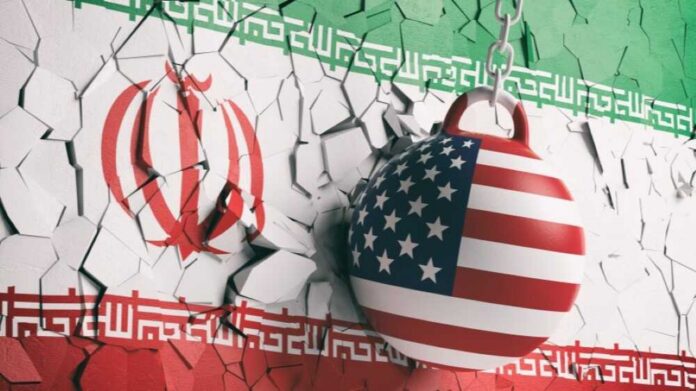
U.S. forces disabled or destroyed five more Iranian oil tankers after Iran fired missiles at a Navy warship, deepening a maritime fight that now spans a tense oil corridor.
Story Snapshot
- Central Command said it struck three Iranian crude carriers after missiles targeted two U.S. Navy ships.
- Follow-on actions knocked out five additional tankers tied to Iran’s network, according to subsequent reporting.
- Released videos show precision strikes that left tankers aflame and adrift near key chokepoints.
- U.S. escorts kept lawful shipping moving as pressure mounted around the Strait of Hormuz.
U.S. Response After Missile Launches at Navy Ships
United States Central Command said its forces struck three Iranian crude oil carriers on September 5, after Iran’s Islamic Revolutionary Guard Corps launched ballistic missiles toward two U.S. Navy warships on patrol. The Navy reported no hits and no injuries.
Central Command’s statement described the strikes as permanent disables in multiple locations across regional waters, a direct answer meant to punish and deter further attacks on American vessels.
US Central Command said it destroyed five Iranian oil tankers following attempted attacks on US warships, as Secretary of State Marco Rubio vowed continued strikes. Iran then threatened ships in Kuwaiti and Bahraini ports hosting Americans https://t.co/2ydB36llKM pic.twitter.com/mYlIvsLDbV
— Reuters (@Reuters) September 9, 2026
Video released by the Pentagon and carried by major outlets showed tankers engulfed in fireballs and black smoke. Clips captured impact flashes, secondary burns, and crews abandoning ship.
The visual record matched Central Command’s claim that at least one struck vessel was destroyed and others left unable to sail under their own power.
Broadcast segments and official posts framed the strikes as a targeted action focused on hardware that funds Iran’s military organs.
Escalation to Five Additional Tankers
In the days after the first operation, reporting described five more Iranian-linked tankers disabled or destroyed across the Gulf of Oman and near Kharg Island.
Central Command said these ships were part of a multibillion-dollar oil network used to finance the Islamic Revolutionary Guard Corps.
The named targets included vessels operating close to Iran’s export hubs, a sign the United States aimed to break the logistics chain, not just send a warning shot.
Footage and stills from subsequent coverage showed burning decks, ruptured piping, and tugboats standing off. This pattern suggests a methodical approach: locate ships tied to sanctioned flows, warn crews, and then strike key systems to end movement.
That sequence lines up with the goal of cutting cash streams to the Guard Corps while avoiding mass casualties or spills that would hit neutral shippers and coastal states.
Maritime Security and the Oil Chokepoint
The Strait of Hormuz moves a large share of the world’s traded oil. When Iran tested U.S. resolve with missile launches, the Navy answered with defense, then the Pentagon hit the sources of revenue that underwrite those attacks.
Central Command also ramped up convoy support. Escorts guided dozens of legal cargoes through the corridor as the tanker war flared. That split-screen—precision strikes plus open lanes—signaled resolve without shutting the door on commerce.
U.S. STRIKES FIVE IRANIAN TANKERS AFTER IRAN TARGETS WARSHIP
The U-S struck five Iranian tankers after Iran tried to attack a US Navy warship.
NewsNation's Robert Sherman is in Qatar….: “US forces have carried out new strikes targeting Iranian vessels located near some of the…— Worldwide News Network (@WorldwideNNX) September 9, 2026
This approach fits classic deterrence shaped by common sense: defend Americans first, punish the offender next, and keep the global economy moving. Hitting the Guard Corps where its money moves tells Tehran that aggression carries a price.
Keeping tankers that follow the rules safe tells allies and markets that the United States can use force with a steady hand. That balance supports peace through strength and reinforces the value of lawful trade in rough waters.
What the Videos Add—and What Washington Wants
Short strike videos have one job: show effects fast. The Pentagon’s clips did that, offering the public and partners a clear look at flaming superstructures and halted hulls.
Central Command’s statement, paired with those images, framed a clean chain of events: Iran fired missiles, the Navy stayed safe, and U.S. forces took down tankers tied to the Guard Corps’ purse. That narrative is simple on purpose, and it tells Tehran the United States will not trade punches—it will end the fight.
Markets, insurers, and shippers also read the message. If a sanctioned tanker tries to run the gauntlet, it risks becoming a dead ship. If a lawful cargo needs to pass, it gets an escort and a green lane.
That clarity limits panic, sets expectations, and pushes fence-sitters to comply with sanctions. It also reduces room for gray-zone games that Iran has used for years in the Gulf to test limits and raise cash without a direct clash.
What Comes Next in the Gulf
Iran can answer at sea with drones, mines, or fast boats. The Guard Corps has used all three before. The United States can counter with air patrols, shipboard defenses, and more targeted strikes on revenue nodes.
The side that keeps commerce flowing without bleeding allies gains the edge. For now, Central Command holds the initiative. The Navy blocked the missiles, the Pentagon cut five more tankers from the network, and the sea lanes remain open under American watch.
Sources:
youtube.com, gulfnews.com, rferl.org