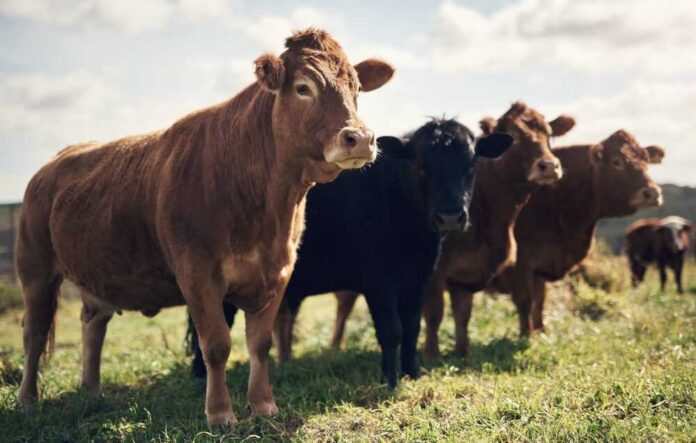
The White House moved 300,000 metric tons of beef into the lower-tariff lane for 90 days to shave the cost of burgers for families, and it set off a fight with the ranchers who usually vote red.
Story Snapshot
- President Trump expanded the 2026 in-quota amount for lean beef trimmings by 300,000 metric tons for 90 days starting September 1, 2026.
- The White House framed the move as short-term import relief to press down ground beef prices.
- Ranchers warn of immediate price hits for calves and say packers, not shoppers, will pocket gains.
- Experts say consumer price drops may be modest given market structure and pass-through limits.
What Washington Actually Did And Why It Matters
The proclamation increased the in-quota quantity for certain lean beef trimmings by 300,000 metric tons for calendar year 2026, with the first 100,000 metric tons opening on September 1, and the increase lasting 90 days.
The White House said the goal is to increase the supply of ground beef and lower prices for shoppers facing sticker shock at the meat case. This targets lean trimmings used to blend ground beef, not premium steaks, aiming straight at the burger aisle.
Ground beef costs have climbed over the past two years, driven by tight cattle supplies and strong demand. The administration’s logic is classic playbook: when a staple spikes, ease imports to boost near-term supply.
That move does not fix cow herd cycles or drought, but it can blunt a price peak before football season and school lunches. The 90-day window underscores that this is an affordability patch, not a full rebuild of the beef supply chain.
Rancher Backlash: Margins, Volatility, And Who Gets The Savings
Producers from Kansas to Montana say the tariff pause has hit calf prices and will squeeze already-thin margins. A Kansas farmer expects another profit hit on top of high diesel and fertilizer costs, and argues policy should invest in American producers, not imports.
Montana voices warned about short-term volatility and said live cattle prices fell right after the announcement, hurting profitability on ranches. A Colorado rancher said calf prices dropped 20 to 30 cents per pound, which can mean hundreds of dollars lost per head.
Producer groups also question whether shoppers will see lower prices. A Montana union leader said 300,000 tons equals only a two- to three-percent supply bump and called the move a short-term fix without tougher antitrust enforcement or clearer origin labeling.
A South Dakota rancher told public radio that packers would likely absorb the extra supply and keep retail prices steady, protecting their margins. These claims reflect long-running fights over packer power and price pass-through in the beef industry.
What Economists Expect At The Meat Case
Analysts say the plan targets the right input for ground beef but caution about the size and speed of effects. The temporary, 300,000-metric-ton in-quota expansion could soften wholesale prices for lean trimmings, but retail pass-through is often partial and lags.
Reports from national business outlets flagged modest consumer gains at best, given how grocers price weekly features and how processors manage spreads. Directionally, more supply should help; materially, do not expect miracle markdowns.
Market structure shapes the outcome. Four large packers handle most slaughter, and debate rages over how concentration affects cattle prices and spreads. Some studies find limited direct harm at national scale, while others see pressure on cattle prices in regional markets with fewer bidders.
That mixed record supports a sober view: import relief can nudge prices, but packer strategies and retailer decisions will decide how much the shopper actually saves.
Lower Prices Now Without Gutting U.S. Herds
A policy that lowers costs for families honors a core value: keeping essentials affordable without creating a new federal program. This move stays within trade tools and sunsets fast.
Still, the complaints from ranch country also fit guardrails. Producers want fair competition, transparent labels, and no tilts that weaken domestic capacity.
🚨 The Real Beef Fight: When the President Breaks the Packers' Grip
The Edge
Main Street is finally taking on the four giants who control roughly 85% of U.S. beef processing capacity. President Trump is authorizing legal documents to let ranchers process and sell their own… pic.twitter.com/9vS75Xbp5r
— AlphaFeedX 🇺🇸 | Wall St Edge (@AlphaFeedX) August 31, 2026
The practical path is a two-step. Keep the 90-day lane open to cool the worst price spikes at the meat counter, then pivot to strengthen the home herd.
That means more shackle space through small and mid-size plants, faster inspection scheduling, and lane changes that boost competition for fed cattle.
It also means clear labeling so shoppers choose with confidence. Pairing near-term import relief with long-term domestic muscle avoids a false choice between cheap burgers and thriving ranch towns.
Sources:
abcnews.com, whitehouse.gov, foxbusiness.com, pbs.org, montanafarmersunion.com, apnews.com, dailyfly.com, nber.org