
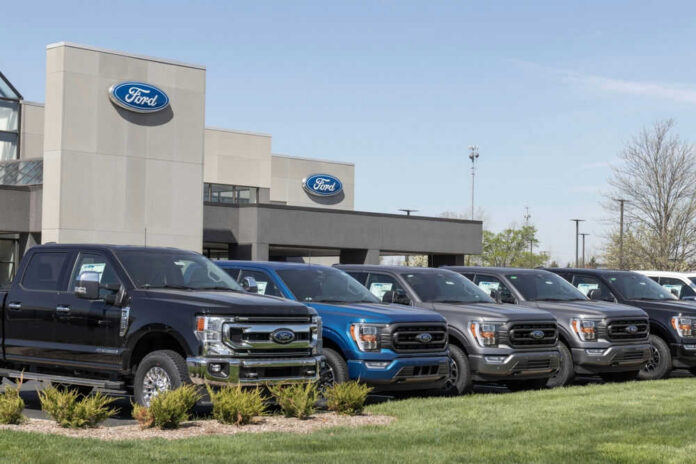
A second-row seat in your Ford Explorer or Lincoln Aviator could unlatch, fold, or slide forward while you’re driving down the highway.
Quick Take
- Ford recalls 387,911 Explorers and Aviators after finding second-row seats can unlatch or slide while driving.
- A misaligned switch bezel causes the easy-entry release to bind or stick in the pressed position.
- This is the second recall for the same problem, and some already-repaired vehicles are on the list again.
- Dealers won’t have the fix ready right away, and final repair letters won’t go out until January 2027.
What The Federal Recall Notice Actually Says
The National Highway Traffic Safety Administration’s recall notice lays out the danger in plain terms. The switch for the easy-entry second-row outer seats may bind or stick, causing the seats to unlatch, fold, or slide unexpectedly while the vehicle moves.
That’s not a comfort issue. A seat that shifts mid-drive puts every passenger behind it at risk of losing proper restraint during a crash.
Ford’s own Critical Concern Review Group flagged the problem after tracking real-world complaints. As of mid-June, the group had counted 14 reports of second-row seats moving on their own while the vehicle was in drive.
Fourteen reports may sound small next to 388,000 vehicles, but recalls exist precisely because automakers can’t wait for that number to grow into a body count.
A Bezel Problem That Keeps Coming Back
Ford traced the defect to a small plastic bezel around the seat-release switch. When it becomes misaligned or unseated during normal use, it can cause the switch to bind or get stuck in the pressed position, according to Ford’s own explanation of the mechanism.
The fix involves dealers swapping that bezel for a new one built with stronger retention force, so it holds its position instead of drifting loose over time.
This isn’t Ford’s first swing at the problem. The automaker issued an earlier recall, campaign 25S67, aimed at a smaller batch of vehicles. That fix didn’t hold.
The expanded recall covers vehicles built through June 24, 2026, and includes some SUVs that already went through the original repair, meaning Ford’s first solution failed to solve the problem.
That’s a legitimate strike against the company’s engineering and quality-control process, and owners who paid attention to the first recall have every right to feel let down that the fix didn’t stick.
Why The Repair Timeline Is Testing Owner Patience
Ford’s recall number for this campaign is 26S52, and it affects 387,911 vehicles total. Owners won’t get notification letters until late July, and the final remedy letters, once parts and procedures are locked in, aren’t expected until January 2027.
That’s a long stretch for families driving vehicles with a known seat-latching defect, even one Ford insists carries low real-world injury risk so far.
Weighing The Risk Against The Response
To be fair to Ford, no crash or injury has been publicly tied to this defect. Fourteen reports of unwanted movement out of nearly 388,000 vehicles is a small fraction, and the company moved to expand the recall rather than wait for worse outcomes.
That’s the system working the way it should. Voluntary recalls, even messy repeat ones, beat the alternative of a manufacturer sitting on known defects until regulators force its hand.
Certain Lincoln Aviator and Ford Explorer models are under recall due to a defect with the second-row seat. https://t.co/5p4KRI49e8
— FOX61 (@FOX61News) July 21, 2026
Still, a second recall for the identical failure point raises fair questions about whether Ford fully understood the defect the first time around. Owners of the Lincoln Aviator, a luxury vehicle priced well above the mass-market Explorer, have extra reason to expect their seats work exactly as engineered. Trust in a premium badge erodes fast when the underlying hardware fails twice.
What Owners Should Do Right Now
Owners of 2020 through 2025 Explorers and matching Aviator model years should watch for Ford’s notification letter and confirm their vehicle identification number through the National Highway Traffic Safety Administration’s recall lookup tool.
Until the bezel replacement is available, drivers with passengers in the second row should double-check that seats are fully locked before every trip. A five-second check beats trusting a switch Ford has now admitted can fail twice.