
Five people on JetBlue Flight 1717 reported injuries or needed checks after a rough ride into Fort Lauderdale, yet the jet still rolled to the gate on time.
Story Snapshot
- JetBlue Flight 1717 from Ponce to Fort Lauderdale hit severe turbulence before landing.
- Fire rescue met the plane; five people reported injuries or asked for evaluation.
- The jet landed safely around 6:58 a.m. and taxied to Terminal 3.
- All five declined trips to the hospital after on-site checks.
What Happened On Flight 1717
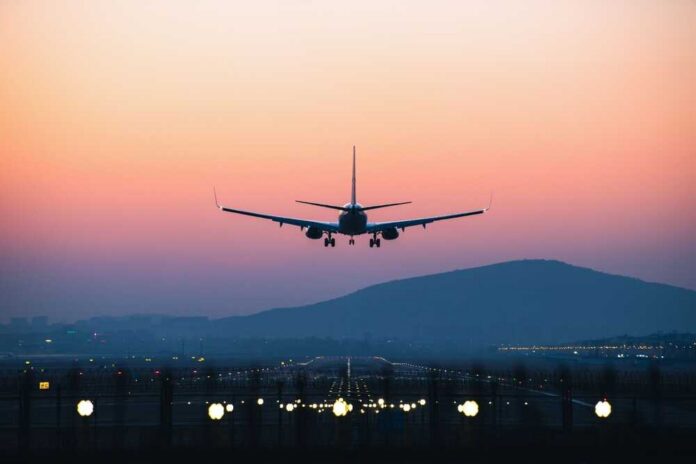
Broward Sheriff Fire Rescue said crews got the call around 6:25 a.m. about turbulence on JetBlue Flight 1717 from Ponce, Puerto Rico, to Fort Lauderdale. The Airbus arrived safely at about 6:58 a.m., then taxied to Terminal 3. Medical teams met the aircraft and evaluated people who asked for help. Officials said five individuals reported injuries or needed evaluation. All five declined ambulance transport after checks at the gate.
Reporters tied the event to Flight 1717 and to Fort Lauderdale-Hollywood International Airport, not a vague flight in the region. The fire-rescue account set the timeline and the response location on the ground. That clarity matters because it grounds this story in specific movement, time, and place. The reported injuries involved both passengers and crew, according to the outlets quoting the same emergency service statement.
Why Turbulence Still Hurts People
Turbulence remains the top cause of accidents for large United States air carriers. Federal Aviation Administration materials note that from 2008 to 2022, turbulence accounted for more than a third of such accidents. Most injuries happen when people are not seated or buckled. Flight attendants face the greatest risk because service keeps them on their feet. The Federal Aviation Administration urges passengers to keep seat belts fastened whenever seated, even when the light is off.
Cabin bumps that lead to medical checks do not always equal serious trauma. Regulators use the term “serious injury” for cases that meet set medical thresholds, such as longer hospital stays. Many gate-side evaluations will not meet that bar. This event fits a broader pattern: a sudden jolt, a safe landing, and a handful of people asking for checks before heading on with their day. That is why crews drill this response and why seat belt use is such a simple, proven defense.
Sorting The Numbers And The Language
The number five appears across several outlets because it comes from the same local fire-rescue account. The wording in that account matters. Officials described five people “reporting injuries or requiring evaluation.” That phrasing is careful and honest. It captures both those who felt hurt and those who wanted a medical look. Some headlines shorten this to “five injured,” which many readers may take as five confirmed injuries. The original language is more precise.
Five Injured After JetBlue Flight 1717 From Puerto Rico Hits Severe Turbulence Approaching Fort Lauderdale
• JetBlue Flight 1717 from Ponce, Puerto Rico, landed safely in Fort Lauderdale after hitting severe turbulence near 46,000-foot thunderstorms.
• Broward Sheriff Fire…— Newstro (@Newstro) November 18, 2026
The timeline lines up across reports. Emergency crews prepared after the 6:25 a.m. call. The airplane landed around 6:58 a.m., rolled to Terminal 3, and responders checked the ramp and the gate. No one went to the hospital by ambulance. These details are straightforward and reflect a system that worked as designed: the flight crew flew the jet to the airport, ground teams staged in place, and passengers and crew received care options without delay.
What This Means For Travelers
Passengers should treat a seat belt like a helmet in a pickup. You wear it because the road can surprise you. Clear air turbulence arrives without a cloud to warn you. It can toss a drink, a laptop, or an unbelted person in less than a second. Buckling up is free insurance. Flight attendants cannot always sit, which is why injury counts skew toward crews. If everyone else stays buckled tight, they lower the odds of becoming hazards to others during a sudden drop.
Common Sense, Safety, And Accountability
Airlines, airports, and first responders do their best work when they plan for routine surprises. This response shows that. The jet landed, help was ready, and people got the choice to go or stay.
Sources:
foxbusiness.com, galvnews.com, nbcnews.com, miamiherald.com, themirror.com, yahoo.com