
Police called a suspicious package at a Peoria ethanol plant a credible threat, then neutralized it before nightfall.
Story Snapshot
- Police declared a device at BioUrja Renewables a credible threat after hours of evaluation.
- Bomb technicians rendered the device safe; no other devices were found.
- Officials set a one-mile evacuation zone around the plant and cleared it later that night.
- Local, state, and federal teams, including the Federal Bureau of Investigation (FBI), took part.
Credible Threat Triggers Fast, Large-Scale Evacuation
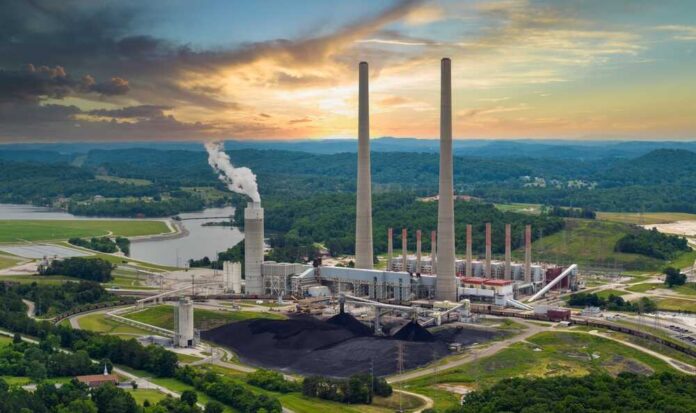
Peoria police received a report early Friday afternoon and found a suspicious package at the BioUrja Renewables plant soon after. By about 6:45 p.m., the police chief said the package met the bar for a credible threat. Officers did not treat it as a hoax. The department drew a one-mile blast radius around the plant and told people to evacuate or avoid the area. That choice matched common bomb-threat playbooks for sites with large fuel loads.
Authorities coordinated traffic control, door-to-door warnings, and perimeter security while bomb technicians worked. The facility makes ethanol, which can drive severe secondary fires if a blast occurs. The wide exclusion zone gave teams room to work and kept the public out of danger. The timeline showed steady, cautious steps: isolate the package, move people back, bring in specialists, then decide on next actions. That is exactly how high-risk scenes should run.
Bomb Technicians Render Device Safe, Search Finds No Others
Bomb technicians moved in after the area was cleared and rendered the package safe that night. Reports placed the neutralization at about 9 p.m. Investigators then swept the sprawling site for more devices and found none. Police lifted the evacuation order only after the search ended. That sequence—neutralize, then clear the rest of the footprint—fits federal guidance to assume secondary hazards until proven otherwise at critical infrastructure sites.
Police later said they had no additional devices and allowed residents and workers to return. The public did not receive a list of the device’s parts or trigger. That is normal during an active case, and it avoids teaching copycats. The key facts stand on their own: a credible device was found, rendered safe, and followed by a clean search. Those outcomes show a methodical response that favored life safety over speed.
Multi-Agency Muscle and Why It Matters
The Peoria Police Department led local actions while the Illinois State Police, the Bureau of Alcohol, Tobacco, Firearms and Explosives, and the Federal Bureau of Investigation joined the response. The governor said he directed state police to coordinate with the city. That layered approach pooled bomb techs, evidence teams, and intelligence channels. It reflects how critical sites, like fuel and food facilities, demand state and federal reach when threatened.
‼️ BREAKING UPDATE: ACTUAL BOMB FOUND AT ILLINOIS ETHANOL PLANT! FBI SEARCHING FOR ADDITIONAL EXPLOSIVES AS MANDATORY EVACUATIONS CONTINUE!
PEORIA, ILLINOIS: What started as a bomb threat at an ethanol plant has turned into a major federal investigation after authorities… pic.twitter.com/7NYXfNttQC
— Χριστός τετέλεσται 𝑊𝑖𝑡𝑛𝑒𝑠𝑠 𝑍𝑒𝑟𝑜 (@Tetelestei) November 15, 2026
National guidance shows why Peoria’s choices tracked the book. The Cybersecurity and Infrastructure Security Agency’s bomb-threat guidance calls for rapid evaluation, evacuation when risk is credible, and a full search plan. United States logged thousands of bomb threats and suspicious-package calls last year, and the trend rose. Most turn out not to be functional bombs, yet responders must act as if they are until experts say otherwise. That mindset saves lives when even one device is real.
Risk, Resilience, and Straight Talk
This event offers a simple lesson: decisive action beats wishful thinking. Leaders cleared a mile around a plant that stores flammable product. That choice protected families, workers, and first responders. Some will ask for every technical detail about the device. Fair question, but timing matters. Releasing sensitive parts and methods too soon can harm an open case and public safety. The better test is outcomes: a safe neutralization, no casualties, and a clean return home.
Public Confidence Comes From Clear Steps, Not Hype
Residents saw visible actions that track with common sense. Police expanded the space, specialists handled the device, federal partners backed the locals, and the city reopened only after a full search. That is the right order of operations. For community trust, commanders should add one more step soon: a brief after-action summary that shares timelines and major decisions without exposing tactics. That keeps citizens informed and helps businesses tighten their own site security.
What To Watch Next
Investigators will work leads on who placed the device and why. Expect reviews of plant access controls, camera pulls, shipping logs, and nearby traffic data. If a suspect emerges, people will likely hear first from local police or federal agents. Until then, facilities with fuel or chemical stockpiles should review their plans. Evacuation routes, notification trees, and camera coverage need a fresh look as threats rise nationwide. Preparation turns fear into a plan.
Sources:
abcnews.com, abc57.com, highwire.news, cisa.gov