
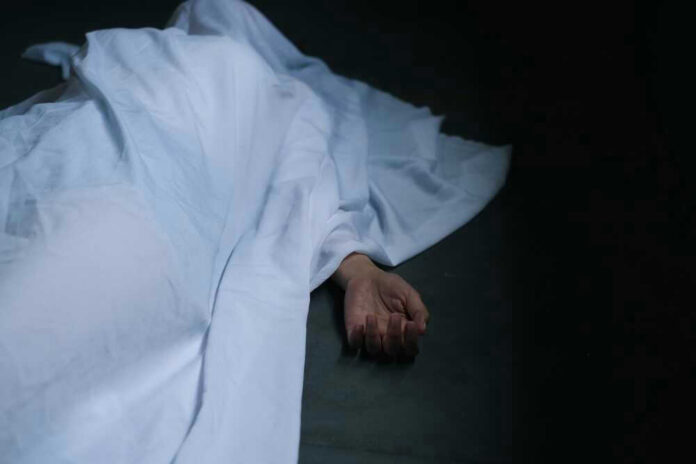
An 18‑month‑old Arizona boy was declared dead after a pool accident, then found breathing hours later in a hospital morgue.
Story Snapshot
- The toddler was pulled from a backyard pool and pronounced dead in an emergency room.
- Nurses and police say they saw signs of life, but the child was still sent to the hospital morgue.
- Over five hours later, medical examiner staff opened the morgue drawer and found the boy breathing.
- The child survived and is recovering, while both the doctor and the parents face intense scrutiny.
A Super Bowl Party Turns Into A Near‑Fatal Disaster
Police say the story started on Super Bowl Sunday at a home in Gilbert, Arizona, when family and friends gathered for the game and an 18‑month‑old boy named Vincent slipped away toward the backyard pool.
According to the police report, he was later found floating face down and unresponsive, with witnesses estimating he had been in the water for 10 to 15 minutes. That amount of time in water can starve the brain and organs of oxygen and often leads doctors to expect severe and permanent damage.
Adults at the party called 911 and began rescue efforts as paramedics rushed the toddler to Mercy Gilbert Medical Center. At the hospital, staff tried to revive him in the emergency room. The attending doctor, identified in reports as Dr. A. Toosi, eventually told staff and police that attempts had failed.
At about 6:20 p.m., he pronounced the child dead, and the family was told to say their goodbyes. For most people, that would be the tragic end of the story. In this case, the most shocking part had not happened yet.
Inside The Emergency Room: A Pulse, A Dispute, And A Deadly Call
Police and hospital records show the emergency room scene was tense and emotional. A nurse reported, “I have a pulse,” after checking the child, and at least two Gilbert police officers noted what they believed were possible signs of life, including gasping movements.
The police report later described the baby as having been pronounced dead “in error,” directly challenging the idea that there were no vital signs at the time. That language is rare in official records and reflects how serious investigators viewed the decision.
Arizona Toddler Discovered Alive in Hospital Morgue Hours After Being Pronounced Dead: Reports https://t.co/bgQ38fyJVK
— People (@people) July 3, 2026
When one officer questioned the doctor about ending resuscitation while the child seemed to gasp, the doctor pushed back. The report quotes him saying some version of, “Please do your thing and let me do my thing. I went to medical school for a reason.”
This looks like a clash between hierarchy and humility. The doctor relied on his authority and training; the nurse and officers relied on what they saw in front of them. When the doctor ordered staff to stop life‑saving measures, some nurses reportedly left the room in tears.
From Cold Room To Helicopter: The Morgue Miracle
After the pronouncement, hospital staff prepared the child’s body for transfer to the county medical examiner. Around 7:23 p.m., the boy was moved to the hospital’s “cold room,” which police and media describe as part of the morgue area.
For more than five hours, everyone believed the child was dead. Police, nurses, and parents had gone home or moved on to other tasks, while paperwork for a death case moved forward. Then, just before midnight, the story took a stunning turn.
At about 11:52 p.m., personnel from the Maricopa County medical examiner’s office arrived to pick up the body. When they opened the morgue drawer, they saw the toddler breathing. They immediately alerted hospital staff, and the boy was airlifted to Phoenix Children’s Hospital for intensive care.
Doctors there found serious organ strain and concern for brain injury, yet follow‑up scans showed far less brain damage than first feared. Police later said the child survived and was released from the hospital, though he still needs ongoing therapy and monitoring.
Medical Mystery Or Human Error? How Experts See It
Forensic pathology experts say mistaken declarations of death happen more often in older patients than in toddlers, because children’s bodies can sometimes recover better from extreme stress.
Some specialists point to very rare events known as the Lazarus phenomenon, where a person declared dead after cardiac arrest suddenly shows signs of life minutes later.
Medical literature has documented dozens of such cases over recent decades, usually in adults but sometimes involving children. These cases force doctors to ask how long they should wait before calling death.
In drowning incidents, cold water can slow a child’s metabolism, giving the brain a small extra window before damage becomes total. That slim chance is why many doctors and paramedics say, “They are not dead until they are warm and dead.”
It also explains why mistakes are more likely when a child has no clear heartbeat but may still have faint or unstable signs of life. In this case, the police report and nurse accounts strongly suggest there was at least a weak pulse and gasping before efforts stopped, which points more to human error than to a mysterious autoresuscitation later in the morgue.
Parents Under Fire, System Under Scrutiny
While the hospital faces questions about the doctor’s judgment, the boy’s parents also face possible felony child abuse charges. Police say the parents admitted using marijuana during the party and not closely watching their toddler, making it easier for him to reach the pool unnoticed.
At the same time, the hospital is under its own spotlight. Mercy Gilbert Medical Center has called the event “heartbreaking” and says it is conducting an internal review. Reporters and the public want to know whether the doctor still works there and what changes will be made.
Institutions have strong incentives to protect their image because admitting error can trigger regulatory scrutiny, lawsuits, and lasting damage to trust. Yet when a child is declared dead “in error” and later found breathing in a morgue, many Americans will say transparency and accountability matter more than reputation.
Sources:
abcnews.com, news4jax.com, youtube.com, facebook.com, foxnews.com, people.com, spiegel.de, pabst-science-publishers.com, nyulangone.org