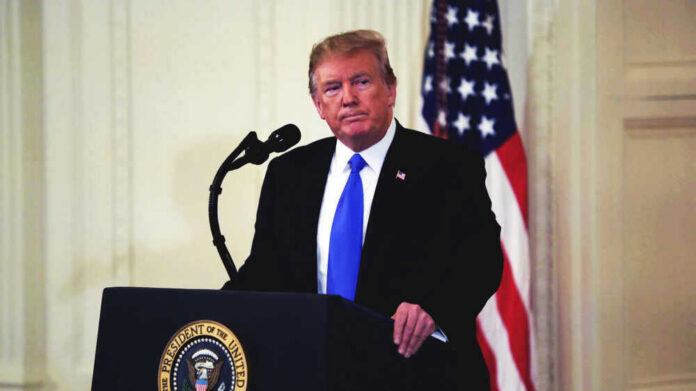
Joe diGenova quit the Justice Department in the middle of a high-stakes probe he was hired to drive, not stall.
Story Snapshot
- Joe diGenova resigned after leading a Justice Department investigation of alleged anti-Trump conspiracies.
- The Florida-based probe issued new subpoenas and eyed Obama- and Biden-era officials.
- No criminal charges have emerged from the probe so far.
- Critics call the effort political; Justice officials say they are enforcing the law.
What DiGenova’s Exit Signals About A Hard Case
A news outlet reported that Joe diGenova stepped down after months guiding a far-reaching investigation centered in South Florida that examined whether former officials conspired to stop Donald Trump from holding power.
The inquiry drew fresh oxygen this year as the Justice Department issued new subpoenas tied to perceived adversaries of Trump and to the government’s handling of the 2016 Russia interference response. The resignation lands before any indictments, a fact critics trumpet and supporters shrug off as the grind of complex work.
Other outlets framed diGenova as a Trump loyalist who was tapped to bring energy and direction to the “grand conspiracy” track. That label both oversells and clarifies the task. The team had to stitch together acts across years, agencies, and classified settings.
That kind of probe rarely moves in straight lines or quick bursts. Wins often hinge on records fights, memory gaps, and witness leverage, not cable-friendly moments.
Joe diGenova resigns abruptly from DOJ job investigating Trump foes, calling out 'ethical' problems on way out https://t.co/1vAgcu7uow pic.twitter.com/pbmFqG3sye
— New York Post (@nypost) September 10, 2026
What The Investigation Actually Did, Not Just What It Claimed
Recent subpoenas in the Florida-based matter examined people long cast as Trump antagonists and the mechanics of the 2016 intelligence response. Parallel reporting has pointed to interest in former intelligence leaders, including John Brennan, whose public clashes with Trump are well known.
These steps match standard playbooks: secure documents, lock testimony, test inconsistencies, and then decide if the facts fit federal statutes. The absence of charges by itself proves little about the underlying case.
The probe produced no prosecutions by the time diGenova exited, even after a late surge in activity. That result contrasts with the resources directed at the matter, which included a focus team in South Florida. Reasonable observers can read that two ways. Either the facts are thin and momentum stalled, or prosecutors chose to bank evidence rather than force weak counts.
Politics At The Edge Of Law, And How To Judge It
Critics told Reuters the department opened cases from the top down and targeted Trump’s perceived enemies, fueling staff churn and public doubt.
Advocacy groups built lists to argue a pattern of retaliation, citing probes of former Federal Bureau of Investigation Director James Comey and former Central Intelligence Agency Director John Brennan.
That view deserves a hearing, but allegations about motive do not erase the need to test potential crimes. The right standard is simple: facts first, charges only if the law fits.
Historical context helps. The Justice Department’s inspector general found the original 2016 Russia inquiry was justified, even while flagging major errors in surveillance processes.
Later, Special Counsel John Durham criticized the Federal Bureau of Investigation’s rigor but delivered limited criminal outcomes after years of work.
These cross-currents show why today’s probe is hard. Intelligence cases sprawl, memories fade, and politics fog the lens. Patience and proof separate accountability from vengeance.
What Comes Next For A Probe With A Vacancy
The department must now install a leader who can cut through noise and keep faith with the law. The blueprint is clear. Narrow the target list to conduct that maps to clear statutes. Stop chasing narratives; chase documents, timelines, and lies that matter.
If the evidence supports charges, bring them and explain the theory. If not, say so and close the book. That is how trust gets rebuilt, even when the subject is radioactive and the country is watching.
Sources:
cbsnews.com, straitstimes.com, en.wikipedia.org, foxnews.com, nbcnews.com, apnews.com, inquirer.com, cnn.com