

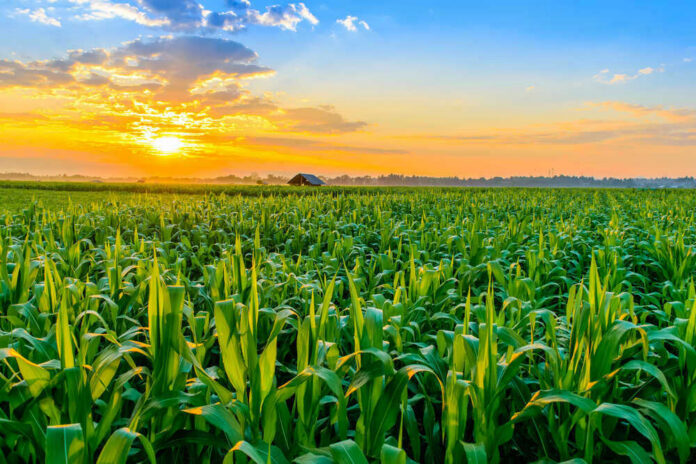
2,458 acres of Jimmy Carter’s family farmland are set to welcome the public.
Story Snapshot
- A national conservation nonprofit bought the Carter family farm near Plains, Georgia.
- Public access for hunting, fishing, and outdoor recreation could begin in 2027.
- The land is planned to transfer to Georgia’s Department of Natural Resources in 2028.
- The transfer would expand the Lanahassee Creek Wildlife Management Area to nearly 7,000 acres.
What Was Acquired And Why It Matters
The Conservation Fund purchased about 2,458 acres tied to the Carter family near Plains. Reports describe fields where a young Jimmy Carter worked peanuts, corn, and sugarcane, and woodlands where he and Rosalynn later walked and hunted. The group framed the deal as both heritage and habitat. The size alone makes it a regional asset for wildlife and people. The property sits near existing public lands, which makes management and access more practical.
The organization stated a clear path forward. It plans to open portions for outdoor recreation as soon as 2027. Activities would include hunting and fishing, which are the backbone of many Georgia wildlife areas. That plan matches a familiar Georgia model. A nonprofit secures land, offers limited access, and then turns it over to the state for long-term care. This stepwise approach keeps costs down while building public trust.
How The Public Will Use The Land
The Conservation Fund said the land could host hunting, fishing, hiking, and other outdoor uses starting in 2027, subject to management rules. This is not a museum play. It is a working landscape model where habitat, game species, and access all matter. That choice may surprise those expecting exhibits or guided tours. But for many Georgians, the freedom to walk, cast, and hunt is the richer tribute to a farming legacy that valued work, stewardship, and simple time outdoors.
The plan also calls for a formal transfer to the Georgia Department of Natural Resources in 2028. After that, the property would join the Lanahassee Creek Wildlife Management Area system. That move would knit this acreage into a larger public estate of nearly 7,000 acres, making law enforcement, habitat projects, and road upkeep more efficient. The state’s wildlife areas already use clear, posted rules. That structure should make the opening smoother for families and athletes.
Separating Heritage From National Park Boundaries
The farm’s cultural link to Carter is obvious, yet it is separate from the Jimmy Carter National Historical Park that preserves his boyhood home. This deal does not change the park map—instead, it expandsGeorgia’s wildlife lands. Readers should expect trailheads, gates, and game rules here, not park rangers giving house tours. That distinction matters. It keeps expectations in line and protects the project from costly mission creep that can slow openings and strain budgets.
Jimmy Carter's family farm outside Plains, Georgia to be opened to the public after $8.5 million sale
The family farm where President Jimmy Carter tended peanuts, corn and sugarcane as a boy and later returned throughout his life will be preserved and opened to the public.… pic.twitter.com/mYmC2jLhjC
— The Georgia Record (@GA_Record) November 11, 2026
Some reports cite a price near $8 million to $8.5 million and describe the expansion as bringing the total to almost 7,000 acres when combined with nearby lands. The headlines highlight “preserved” and “opened,” and that framing is fair about the direction. The timeline remains forward-looking. The plan targets 2027 for public access and 2028 for the handoff to the state. That cautious cadence signals a team focused on doing the basics right: roads, signage, habitat checks, and safety.
Why This Fits Georgia’s Playbook
Georgia has leaned on partnerships to grow public lands. Private groups often buy fast, then work with the state on long-term care. The outcome puts more places on the map for ordinary families. That is a conservative win: local control, public use, and respect for the land. The Carter acreage follows that script. The expansion of the Lanahassee Creek Wildlife Management Area adds scale for habitat work and access, while keeping administration lean and rules clear.
What To Watch Next
Look for early access points and posted hunting and fishing guidance if parts open in 2027. Watch for the 2028 transfer to the Georgia Department of Natural Resources, which would lock in permanent public management. Expect the state to release maps, seasons, and parking details as the date nears. Do not expect a history museum on site. Expect a living landscape where you can feel the place that helped shape a farm boy who became president, boot tracks and all.
Sources:
abcnews.com, ajc.com, 41nbc.com, wrdw.com, dailyindependent.com