
Two leaders who took a hard line on Iran just split over how quickly to pull the trigger.
Story Snapshot
- Trump signaled talks with Tehran should continue for now, while keeping forces ready.
- Netanyahu pushed for renewed strikes and said regime change is the only lasting fix.
- Ynet’s unnamed sources called their call a “shouting match from hell,” but both sides deny that.
- Conflicting accounts highlight a classic U.S.–Israel split: tempo and risk, not the threat itself.
What Is Not In Dispute: A Real Policy Gap On Iran
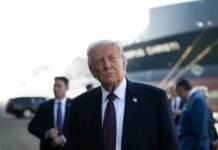
President Trump told reporters that military action against Iran did not seem necessary at that moment, while saying U.S. forces were “locked and loaded.” The remark followed his White House meeting with Qatar’s prime minister about Doha’s role in contacts with Tehran. The thrust was clear. Keep the pressure. Keep the option to strike. Keep the door to a deal slightly open. That blend reflects a familiar Trump playbook: maximum leverage without rushing into a wider war.
Prime Minister Benjamin Netanyahu has long argued that Iran’s rulers will not abandon the nuclear path without force or collapse. Sources described him as pushing to resume strikes and as viewing regime change as the only permanent answer. That is not new for him. He opposed the 2015 nuclear deal and backed Trump’s 2018 withdrawal. He frames Iran as a near-term, existential danger. His critics call that alarmist. His supporters call it sober realism.
The Call Heard Around The World—And The Dueling Versions
Ynet reported the leaders’ phone call turned heated over whether to restart attacks, with one source branding it a “shouting match from hell.” That phrase raced through headlines. Then came the brakes. Netanyahu’s office blasted the story as “fake news” and “complete nonsense.” Trump called it a “very good talk,” confirming Iran was discussed but offering no fireworks. Without a transcript, readers are left with two tracks: an explosive leak and a public denial by both camps.
This clash is more about timing than about targets. Both leaders treat Iran’s nuclear program as a top threat. The difference is when to pull harder on the military lever. Washington must guard American forces, manage escalation, and hold a broader coalition. Jerusalem lives within missile range and judges time more harshly. These structural incentives explain why U.S.–Israeli gaps over Iran surface again and again, even when the partnership is tight.
Why The Dispute Matters More Than The Decibels
Markets, allies, and adversaries watch for signals. A pause in strikes with talk of a possible agreement calms oil prices and gives regional partners breathing room. A push for renewed bombing sends a different message to Tehran and to proxy militias. The practical stakes are high: protecting U.S. troops, deterring Iran, restraining escalation, and preserving legitimacy. A sound strategy weighs all four. That is why a measured, conditions-based approach often aligns with American conservative values of strength without folly.
According to a report by Ynet, a phone call between Trump and Benjamin Netanyahu over Iran yesterday quickly escalated into a “shouting match from hell.”
Netanyahu is pushing Trump to unleash another round of major military operations, arguing that the only way to eliminate…
— ThePatrioticBlonde™🇺🇸 (@ImBreckWorsham) November 11, 2026
Anonymous sourcing can be right or wrong. It can also be both dramatic and thin. Here, the hard facts that deserve weight are on the record. Trump said military action did not appear necessary right now and kept the loaded chamber. Netanyahu’s office rejected the “shouting match” tale outright. The open question is not whether the two disagree on tempo. They do. The open question is whether the tone crossed a line. On that, the public evidence is not decisive.
What To Watch Next: Pressure, Patience, Or A Pivot
Three signs will tell the story. First, the White House posture. If talks show movement, expect continued restraint and sharper warnings to Iran if attacks threaten American—second, Israeli operations. If Jerusalem sees windows closing, it may press harder for coalition strikes or act alone. Third, Iran’s behavior. If Iran slows its program or restrains proxies, diplomacy breathes. If not, the logic for renewed force grows. Strong policy keeps choice and leverage, not headlines, in charge.
Sources:
ynetnews.com, zamin.uz, apnews.com