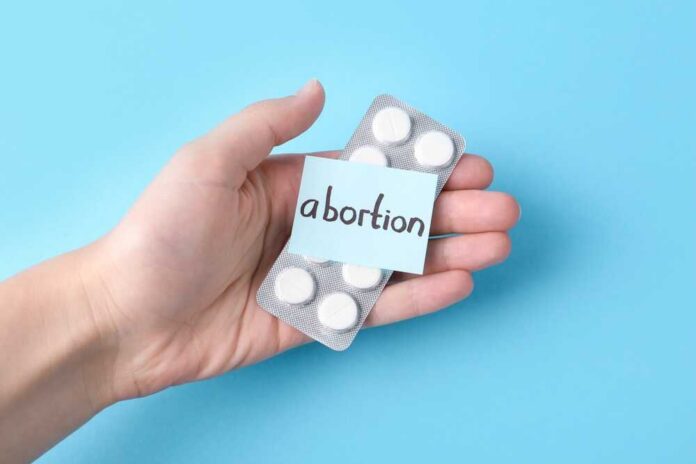
The Environmental Protection Agency just moved abortion pills from a culture war talking point to a line item in a national drinking water screen.
Story Snapshot
- Environmental Protection Agency added pharmaceuticals as a priority group on a key drinking water list for the first time.
- The agency is launching a broad screen of more than 1,400 chemicals in drinking water sources, including mifepristone and misoprostol.
- The action follows a formal process with a draft list of 75 chemicals, 9 microbes, and four contaminant groups.
- Leaders framed the effort as basic water safety, not a targeted abortion policy.
What EPA Actually Did And Why It Matters
The Environmental Protection Agency named pharmaceuticals as a priority contaminant group in its draft Sixth Contaminant Candidate List in April 2026. This marks the first time the program grouped drugs for possible future regulation under the Safe Drinking Water Act.
The draft list also included microplastics, per- and polyfluoroalkyl substances, and disinfection byproducts, plus 75 chemicals and nine microbes. The agency opened a public comment window and began Science Advisory Board review to set up next steps.
Reporters then documented a larger Environmental Protection Agency screening effort that goes beyond the candidate list. The agency plans a national scan of more than 1,400 compounds in finished water and source water.
The panel includes common drugs and two abortion medications, mifepristone and misoprostol. Officials continue to describe the work as a broad safety screen. The design aims to learn what is present and at what levels before any move toward policy decisions.
How The Screen Connects To The Candidate List
The candidate list is the Environmental Protection Agency’s research and prioritization tool. It flags chemicals for closer review and data gathering. It does not ban anything on its own.
The 2026 draft list grouped pharmaceuticals and laid out the formal process to study them. The broader scan of 1,400 compounds, reported in September, fits that purpose. It collects occurrence data that the agency can use later when it weighs health risk and possible rules.
EPA launches study to test drinking water for abortion pills – LifeSite https://t.co/Z3JL00fcbY
— Myra Lewis (@MyraLew66922786) September 19, 2026
Agency statements tie this work to a simple goal: keep tap water safe. The Environmental Protection Agency said it is taking bold action to ensure safe drinking water, and it named pharmaceuticals among the examples of substances that can enter water through human waste and poor disposal.
The joint announcement with the Department of Health and Human Services repeated the same frame. The message stayed on public health and data, not on abortion policy.
Where Abortion Pills Fit In The Larger Panel
The Hill reported the screening panel includes mifepristone and misoprostol, which are widely used in medication abortions. That detail grabbed headlines, but it sits inside a much bigger panel of pharmaceuticals, pesticides, and other chemicals.
The Environmental Protection Agency did not publish abortion-focused language in its April materials. The official documents discussed pharmaceuticals as a group. The screen’s scope, as reported, reflects that broad approach to water quality, not a map of medical behavior.
EPA is launching a drinking water study that will test for traces of the abortion pills mifepristone and misoprostol, a first for the agency. Anti-abortion activists, state attorneys general and lawmakers have lobbied for the testing for years.
— LetMeKnow News (@LetMeKnowNews1) September 21, 2026
Public debate followed fast. A Senate exchange asked whether the agency believed there was “abortion in the water.” The administrator said he had not discussed “abortions in water,” and he pointed back to pharmaceutical monitoring and the candidate list process.
What Comes Next For Water Systems And Households
Local water systems should prepare for sampling requests, lab logistics, and possible upgrades if new data show persistent drug residues. The near-term job is basic: measure occurrence and share results. The Environmental Protection Agency will use those data, along with health science, to judge risk.
Past government reviews noted that pharmaceuticals in drinking water often appear at very low levels and that the agency had not made regulatory findings on them. This process could refine those judgments with fresher evidence.
Practical Takeaways For Readers
Do not flush unused medications. Return them through take-back programs. That one step cuts drug loads into wastewater and source water. Watch your local utility’s Consumer Confidence Report.
If the Environmental Protection Agency releases occurrence summaries from this screen, utilities may add context about local systems and treatment. Expect more clarity, not instant bans. The candidate list and the national scan are data projects to inform final calls, not political theater dressed as science.
Sources:
lifesitenews.com, epa.gov, thehill.com, thecut.com, studentsforlife.org