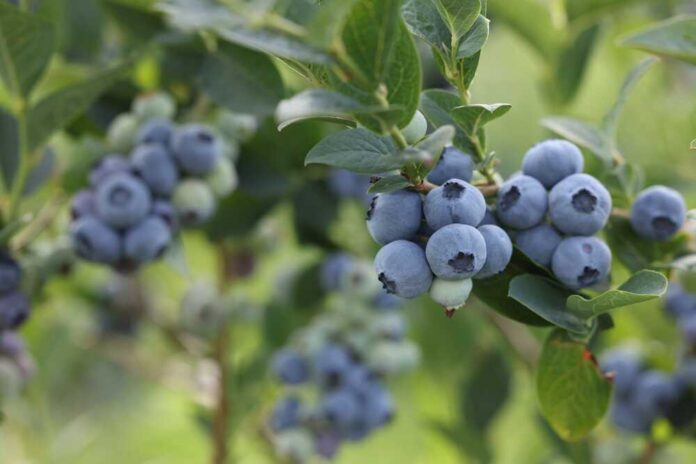
Twelve people got sick from E. coli after eating frozen organic blueberries sold at Publix — and the berries came all the way from Chile.
Story Snapshot
- A Chilean supplier recalled one lot of GreenWise Organic frozen blueberries sold at Publix stores in eight states after 12 confirmed E. coli illnesses.
- The affected bags are 10-ounce GreenWise Organic IQF Blueberries with lot code 60401 and a best-by date of February 9, 2028.
- Publix is offering full refunds for any GreenWise frozen blueberries bought on or before July 3, 2026.
- The U.S. Food and Drug Administration (FDA) posted the recall, but neither the FDA nor the Centers for Disease Control and Prevention (CDC) had issued a formal outbreak notice as of the recall announcement.
What Happened and Who Is at Risk
Frutas y Hortalizas del Sur S.A., a produce company based in San Carlos, Chile, announced a voluntary recall of its GreenWise Organic IQF Blueberries after the product tested positive for Escherichia coli O145:H28. That is a Shiga toxin-producing strain of E. coli — the kind that causes bloody diarrhea, severe stomach cramps, and vomiting.
In serious cases, it can lead to kidney failure, a condition called hemolytic uremic syndrome, which can be fatal. The recalled product reached Publix stores in Alabama, Florida, Georgia, Kentucky, North Carolina, South Carolina, Tennessee, and Virginia.
Only one production lot is involved. Shoppers should look for 10-ounce bags with lot code 60401 and a best-by date of February 9, 2028. No other lot codes or best-by dates are part of this recall. Publix is telling customers to throw the berries away or return them to any Publix store for a full refund.
The recall covers purchases made on or before July 3, 2026. Customers with questions can call 336-899-5612, Monday through Friday, 8 a.m. to 6 p.m. Eastern time.
Twelve Illnesses Confirmed Between May and June 2026
The supplier reported 12 confirmed cases of E. coli O145:H28 illness between May 11 and June 5, 2026. The company says it initiated the recall after learning that people who ate the blueberries had become ill. That is the right call.
A company that moves fast to pull a product when people report illness is doing what responsible food safety looks like in practice. Waiting for federal confirmation while more people get sick would be the wrong move.
There is one notable gap worth knowing. The illness count of 12 comes directly from the supplier, not from a federal health agency. As of the recall announcement, neither the FDA nor the CDC had issued a formal outbreak notice for this product. That does not mean the illnesses did not happen.
Federal agencies typically wait for genetic confirmation before going public. The supplier acted on consumer illness reports — and that is exactly the kind of proactive response the food industry should model.
Why Freezing Does Not Make Berries Safe
Many people assume frozen means safe. It does not. Research shows that freezing has little effect on the survival of dangerous pathogens. Bacteria and viruses can remain alive — and remain dangerous — for months in frozen storage.
There is no “kill step” built into the freezing process for fresh produce. That means a contaminated berry picked in Chile can still make someone sick in North Carolina many months later. This is not a new problem. Frozen berries have been linked to multiple outbreaks going back decades.
Frutas y Hortalizas del Sur S.A. Initiates Recall of Frozen GreenWise Organic IQF Blueberries Due to Potential E. coli O145 Contamination https://t.co/37H4s5Td45 pic.twitter.com/s2nyJLFto0
— U.S. FDA Recalls (@FDArecalls) July 7, 2026
Between 1997 and 2016, frozen berries were tied to four foodborne illness outbreaks in the United States alone — three linked to hepatitis A and one to norovirus. Those three hepatitis A outbreaks sent 53 people to the hospital. E. coli outbreaks tied specifically to berries are rarer, but they do happen.
A 2006 outbreak linked berries to E. coli O26 infections. The current Publix recall adds to that short but serious list. Imported frozen produce travels a long supply chain, and contamination can enter at any point — from the field to the freezer.
What You Should Do Right Now
Check your freezer today. If you have a 10-ounce bag of GreenWise Organic IQF Blueberries with lot code 60401 and a best-by date of February 9, 2028, do not eat them. Throw the bag away in a sealed container or return it to Publix for a full refund. Do not taste the berries to check if they seem fine. E. coli contamination has no smell, no color, and no taste.
Symptoms of E. coli O145 infection usually appear 2 to 8 days after eating contaminated food and include stomach cramps, diarrhea that may be bloody, and vomiting. Anyone with those symptoms should see a doctor right away.
Sources:
foxbusiness.com, facebook.com, miamiherald.com, marlerclark.com, fooddive.com, ucfoodsafety.ucdavis.edu