

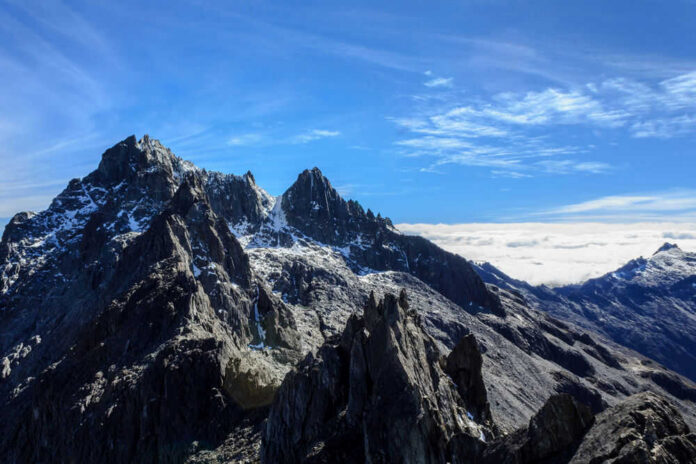
Two Colorado college students were found dead together in a high mountain basin after days of searching.
Story Snapshot
- Chaffee County deputies recovered both students near West Apostle Mountain after a multi-day search.
- The pair left Colorado Mountain College’s Leadville campus for a weekend hike and did not return.
- Searchers found a collapsed tent buried by snow with gear still inside.
- Deputies said they do not suspect foul play; the coroner will determine cause and manner of death.
Search moved from Ice Mountain plan to West Apostle basin
Chaffee County Sheriff Andy Rohrich’s office said teams found the bodies of 19-year-old Shota Matsuda and 20-year-old Liam Donlon at about 3:30 p.m. Wednesday in a basin below West Apostle Mountain. The discovery came after a multi-day search that followed their failure to return from a planned hike near Ice Mountain. The sheriff’s office had expanded the search toward the Apostles after speaking with friends who knew the pair’s plans and previous camping spots in that area.
Colorado Mountain College staff reported the students missing on Monday after they did not return as expected from a weekend trip. Reports differ on the exact day they were due back, but all agree the alert went out after the weekend window closed. That report triggered a coordinated search effort across steep, snow-covered terrain west of Buena Vista. The operation drew on ground teams, aerial support when weather allowed, and alpine rescue groups familiar with the Three Apostles range.
A collapsed tent under snow showed where the weekend began
Search teams found a tent flattened under new snow with sleeping bags, a stove, and clothing still inside. That scene linked the investigation to the pair’s planned outing and suggested they had at least one fixed camp before moving to higher ground. Finds like an in-place stove and bedding often mark a sudden weather change or a rushed departure, common triggers for trouble above treeline when storms roll in and visibility drops fast.
Rescuers worked through a week when winter conditions arrived early. The area sits near 14,000 feet, where a light storm at town level can turn into whiteout conditions and waist-deep drifts. Navigation grows hard when ridgelines vanish in cloud and wind fills tracks in minutes. Many mountain fatalities worldwide trace back to a short chain of events like missed turns, slips on firm snow, or exposure after a gear or route error, especially when storms hit at night.
Foul play not suspected; exposure and terrain risks loom large
The sheriff’s office said they do not suspect foul play. The coroner will determine cause and manner of death after standard reviews. That process often includes autopsy and toxicology. Weather reports in the region described a snowstorm during the window when the students were out, which aligns with the search findings and the hazards common to this elevation. Storm days add cold stress and hide cliffs, couloirs, and cornices that can turn a minor slip into a fatal fall.
A search has ended in western Colorado for two college students who went missing while hiking Ice Mountain, a nearly 14,000-foot peak. https://t.co/JNvoJDSkOe
— News19 WLTX (@WLTX) October 29, 2026
Alpine rescue data show that hiking incidents often stem from falls, exhaustion, navigation errors, and exposure. Those patterns match what responders face in high basins and on shoulder seasons when storms move fast and daylight is short. Rescue timing also matters. Search-and-rescue studies show survival odds drop as hours pass, which helps explain the large, fast push by Chaffee County and partner teams once the missing report came in and weather windows opened.
Campus and community grieve as focus turns to lessons
Colorado Mountain College shared grief support for students and staff while families process the loss. Community attention now shifts to prevention in the next storm cycle. Simple rules save lives in Colorado’s shoulder season: set a strict turnaround time; carry a real map, compass, and a charged phone with offline maps; pack hard shells, warm layers, headlamps, and microspikes; log your plan with a trusted contact; and check multiple forecasts for wind, snow, and freezing levels before stepping off.
What responsible hikers can do tomorrow
Pick routes that match skills and the day’s weather, not the bucket list. Start early, expect early winter conditions above timberline, and remember that an extra hour up high after noon often costs three on the way down in wind and spin drift. If a storm builds, descend while you still can. Personal freedom and accountability go hand in hand in the backcountry. The mountain will be there next week; your margin needs to be there today.
Sources:
abcnews.com, abc7news.com, kktv.com, 9news.com, koaa.com, weather.com, rocketcitynow.com, pmc.ncbi.nlm.nih.gov