

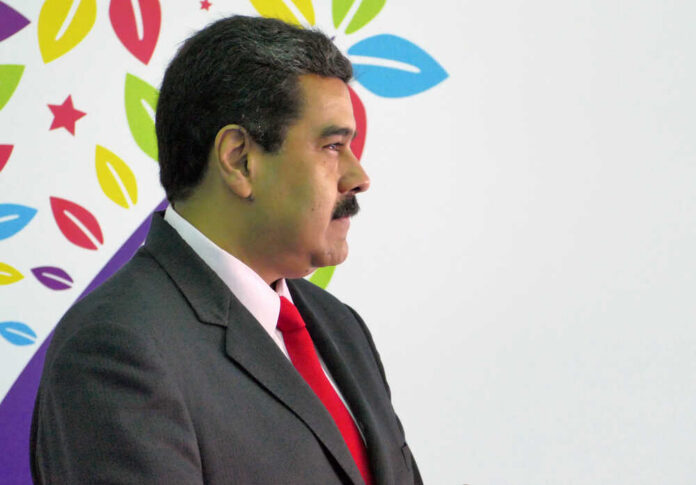
U.S. prosecutors are poised to test whether a strongman’s prison cells can reach a New York courtroom.
Story Snapshot
- New charges reportedly target Nicolás Maduro and Cilia Flores for torture of Americans.
- Allegations cite more than a dozen U.S. citizens held and abused in Venezuelan prisons.
- Survivors already described waterboarding, electric shocks, and drugging in a civil suit.
- A Miami judge issued a $314 million default judgment to three Americans who sued.
Prosecutors prepare a torture case that crosses borders
Federal prosecutors in New York are expected to bring new charges that Nicolás Maduro and his wife, Cilia Flores, played roles in the torture of Americans held in Venezuelan prisons, according to multiple outlets on October 7, 2026. The reports say the allegations cover more than a dozen U.S. citizens who were wrongfully detained while Maduro ruled Venezuela. These are leak-based previews, not filed indictments, but the story signals an aggressive U.S. push to hold leaders accountable beyond their borders.
Maduro’s attorney, Barry Pollack, said he had not been notified about new charges, and Maduro and Flores deny the broader U.S. allegations against them. That denial is expected. Defense lawyers often challenge jurisdiction and immunity when prosecutions target state leaders.
Victims’ accounts describe a deliberate system of pain
Americans who returned home have already filed civil claims that detail abuse methods. They described waterboarding, electric shocks, threats of sexual assault, forced drugs, and isolation. Named plaintiffs include Matthew Heath and Osman Khan, both swept into a 2022 prisoner swap after long detentions in Venezuela. Their accounts read like an inventory of modern torture. They also allege the abuse served a purpose: squeeze the United States for concessions, including the release of Maduro ally Alex Saab.
A federal judge in Miami entered a default judgment awarding about $314 million to three Americans who alleged torture and hostage-taking in Venezuela, signaling the claims were sufficiently supported to win when unopposed. A default judgment is not a full trial on the merits. It still matters. It flags in the record that detailed allegations went unrebutted, and it adds pressure. For families who lost years to a foreign cell, damages are not closure, but they are a start.
Former Venezuelan President Nicolás Maduro and his wife Cilia Flores are expected to face new charges over the alleged torture of Americans held in Venezuelan government custody in recent years, according to multiple people familiar with the investigation. https://t.co/94GTPBK96S pic.twitter.com/Ou42vWXZrq
— CNN (@CNN) October 7, 2026
The stakes: wrongful detention as leverage and U.S. resolve
This case lands inside a wider pattern many call hostage diplomacy, where regimes detain foreigners to gain leverage in talks or swaps. Analysts and human rights monitors have long warned that Venezuelan security services use detention and torture to control opponents and bargain with Washington. When the United States responds with charges targeting top officials, it raises the cost of that playbook. That aligns with basic American conservative values: protect citizens, punish state abuse, and deter future coercion.
Critics will claim politics drive the case. That talking point wilts if prosecutors show evidence that ties command to conduct. If witnesses testify under oath, if medical exams back their scars, if custody logs and unit rosters match names and dates, the narrative shifts from politics to proof. The absence of those details today reflects timing, not weakness. The reported move signals prosecutors think they can close the loop when they file. One caveat stands: an arrest or charge is not a conviction.
What to watch next: the paper trail and the people
Watch for the filing itself. The strongest pages will do three things: identify specific victims and dates, map the prisons and agencies that held them, and show how orders flowed from senior officials to interrogators. Expect named witnesses. Expect references to interrogation sites and methods already seen in civil filings. Expect a motive chapter that links prisoner abuse to pressure for swaps or sanctions relief. If those elements appear, the case foundation looks far sturdier than headline leaks suggest.
Defense counsel will likely argue immunity and challenge venue, service, and jurisdiction. Those are real fights, but they don’t erase the facts. Juries and judges weigh facts. Americans understand the difference between a political disagreement and a human being tied to a chair with wires on his skin. If prosecutors meet the burden with witnesses and records, the law should speak with clarity. Leaders who use cells as bargaining chips should expect handcuffs when the travel map narrows.
Sources:
cbsnews.com, cnn.com, bostonherald.com, pjmedia.com, mezha.net, reuters.com, bbc.com, english.elpais.com, en.cibercuba.com, miamiherald.com