
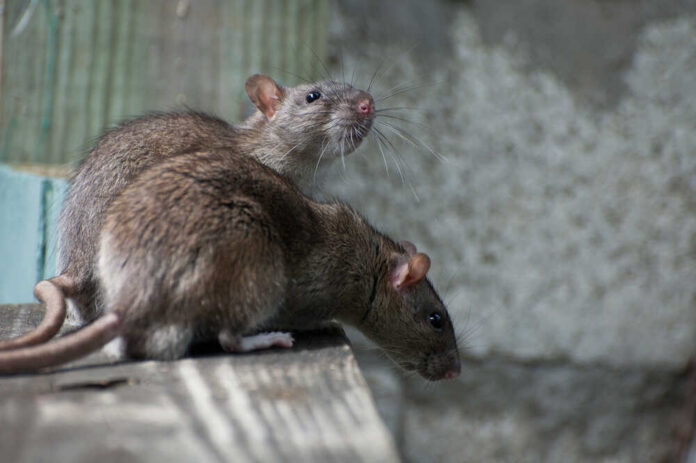
A viral video showing a rodent-like object in a jar of peperoncini triggered a focused recall within days.
Story Snapshot
- Mezzetta recalled one lot of 32-ounce Golden Greek Peperoncini after a social video surfaced.
- The company contacted the consumer and opened an investigation right away.
- No illnesses or injuries were reported at the time of the recall notice.
- Consumers with the jar marked lot 720106 were told not to eat it and to contact Mezzetta.
What Triggered The Recall And What Was Pulled
G. L. Mezzetta Inc. recalled a specific lot of its Golden Greek Peperoncini Medium Heat, 32-ounce, after a social media video appeared to show a pest inside a sealed jar. The company said it was aware of the video and tied the recall to that possible contaminant in the product.
The recall targeted jars labeled with lot code 720106 and stock keeping unit 10106328. Mezzetta asked buyers not to eat the product and to contact its customer support for help.
Mezzetta said it contacted the consumer who posted the video and moved fast to investigate. The company coordinated the recall with the United States Food and Drug Administration and limited it to that single production lot.
Such a tight scope signals a traceable batch and a distribution map the firm could act on quickly. That approach protects shoppers while also showing accountability, which aligns with basic common sense and the duty companies owe their customers.
Following an investigation into a possible "pest contaminant" reported in a jar, a well-known brand of pepperoncini peppers has issued a voluntary recall.
The full story: https://t.co/p3rpVs4FYC pic.twitter.com/X8g1qXXOIQ
— KHON2 News (@KHONnews) September 29, 2026
How Recalls Work And Why Speed Matters
The United States Food and Drug Administration explains that recalls often happen when a product may contain a foreign object or poses another safety risk. Companies usually initiate recalls on their own, and many are preventive moves meant to stop harm before it starts.
The agency’s guidance states that foreign objects include things like glass, metal, plastic, and pests. In this case, the listed reason was a possible pest contaminant, which fits that category directly.
Most consumers now learn about recalls first on social media, then through news alerts. Researchers and food safety officials have tracked this shift for years.
Faster sharing can save people from eating risky products, but it can also raise pressure on brands to respond in hours, not days. A quick, narrow recall aims to cut risk while facts are still under review. That balance is why you often see swift action, even when full lab results are not yet public.
What Consumers Should Do Right Now
Shoppers should check any 32-ounce jar of Mezzetta Golden Greek Peperoncini Medium Heat in their pantry. Look for lot code 720106 and stock keeping unit 10106328. If the jar matches, do not eat it.
Keep the lid closed, take a clear photo of the label and lot code, and contact the company for next steps. The recall notice reported no illnesses or injuries linked to the product when it was posted, but caution is still the right call.
Grocers usually pull recalled items from shelves fast, but products can sit in home pantries for months. That is why recall notices name exact sizes, lot codes, and dates. A precise lot code acts like a fingerprint for one production run.
That trace allows the company to find where the jars went and work with stores to remove them. Consumers help close the loop by checking their shelves, reporting jars, and spreading verified recall details to friends and family.
Why This Response Makes Sense
Food safety rewards urgency, clarity, and tight targeting. Mezzetta’s recall was narrow, which points to a defined batch rather than a system-wide failure. That is the responsible path: protect the public, keep the scope factual, and fix the root cause.
This is also how a healthy market should work. When companies act fast, they earn trust. When agencies publish clear alerts, people can make simple, safe choices at home without panic or guesswork.
Sources:
cbsnews.com, fda.gov, houstonchronicle.com, nbcchicago.com, wsaw.com, us.headtopics.com, local12.com