

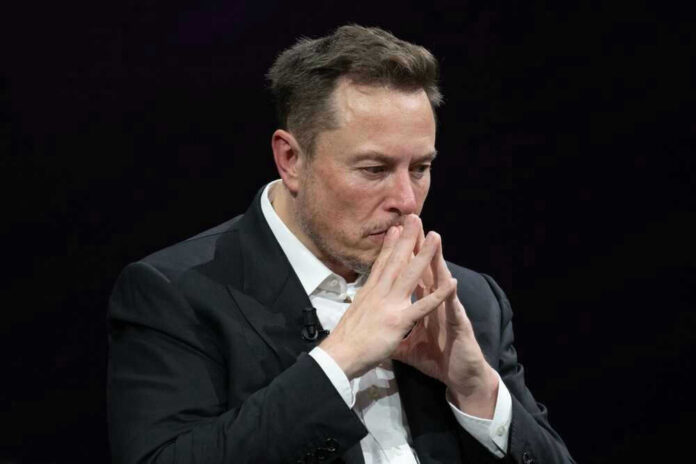
Elon Musk’s bold Terafab announcement promises thousands of American jobs in Texas chip manufacturing, a rare bright spot amid skyrocketing war costs and broken promises to end endless foreign conflicts.
Story Highlights
- Musk unveils Terafab: Dual Tesla-SpaceX chip factories near Austin Gigafactory to secure AI and robotics supply chains.
- One fab for Tesla vehicles and Optimus robots; second for space-hardened chips enduring extreme temperatures.
- Austin benefits from job creation and economic boost, aligning with CHIPS Act push for U.S. manufacturing independence.
- Musk cites global shortages from suppliers like TSMC as urgent driver, targeting massive compute scale exceeding current U.S. output.
- Skeptics question timelines given Musk’s history, but vertical integration bolsters American tech sovereignty.
Terafab Announcement Details
Elon Musk revealed Terafab plans on March 21, 2026, during an Austin facility presentation and X posts. The project features two specialized fabs near Tesla’s Gigafactory. The first produces chips for Tesla vehicles and Optimus humanoid robots.
The second develops space-optimized AI chips for satellites and orbital data centers, designed to withstand harsher environments and higher temperatures. Musk emphasized supply shortages from TSMC, Samsung, and Micron as the catalyst.
He continues Nvidia purchases short-term while planning this vertical integration. No construction timelines or permits disclosed yet. This move addresses persistent global chip crises from the 2020s, ensuring Tesla and SpaceX meet AI demands.
Musk says SpaceX and Tesla to build advanced chip factories in Austin https://t.co/NHMZsWbk4g https://t.co/NHMZsWbk4g
— Reuters (@Reuters) March 22, 2026
Strategic Motivations and Company Synergies
Musk drives the project due to insufficient chip supplies threatening AI and robotics timelines. Tesla advances next-gen AI6 chips with potential December 2026 tape-out. SpaceX, merged with xAI and eyeing a $1.75 trillion IPO, requires compute for Starlink satellites. Musk stated, “We either build the Terafab or we don’t have the chips.”
Austin’s infrastructure, including Tesla’s HQ and Gigafactory, enables synergy. The fabs target 100-200 GW Earth computing and 1 TW in space annually, dwarfing current U.S. output. This counters U.S.-China tensions by enhancing domestic production via CHIPS Act incentives. Musk acknowledges suppliers but positions Terafab for long-term independence.
Economic Boost for Texas Amid National Strains
Austin communities anticipate construction jobs and manufacturing roles from Terafab. The project aligns with conservative priorities of bringing jobs home, reducing reliance on foreign semiconductors. Tesla’s Dojo supercomputer and HW3/HW4 chips provide precedents for in-house development. SpaceX gains radiation-hardened solutions unproven elsewhere.
While war drains billions—over $20 billion already on Iran operations—initiatives like this deliver tangible wins for American workers. High energy costs from conflict exacerbate frustrations, yet domestic fabs promise energy-efficient compute scaling. Families in Texas stand to gain stability without government overreach.
Suppliers like TSMC face potential volume loss as Musk aims to eclipse global output. Local economies benefit directly, countering inflation pressures from fiscal mismanagement and war spending. This fosters self-reliance, a core conservative value protecting innovation from globalist vulnerabilities.
Musk says Tesla, SpaceX to build advanced chip manufacturing facilityhttps://t.co/jDC7WYCvLt
— Dave Schwickerath (@DaveSchwick) March 24, 2026
Challenges and Expert Skepticism
Bloomberg highlights Musk’s limited semiconductor experience and history of timeline slips, like Tesla FSD delays. TechCrunch notes supply urgency but questions fab feasibility given cleanroom complexities and yields. Optimists see secured ecosystem for Musk’s ventures. No construction details emerged by March 23 reports.
Euronews confirms dual-fab design and compute goals. Uniform source agreement verifies announcement facts, with minor event date variances. Risks persist, but success advances U.S. tech sovereignty against endless wars diverting resources abroad.
In 2026’s tense climate, with MAGA divisions over Iran involvement and Israel support, Terafab exemplifies private-sector leadership delivering jobs without new entanglements. Conservatives weary of regime-change failures appreciate Musk prioritizing American innovation.
Sources:
Musk says Tesla and SpaceX to build advanced chip factories in TX
Elon Musk unveils chip manufacturing plans for SpaceX and Tesla
Elon Musk announces plans to manufacture chips for SpaceX and Tesla