

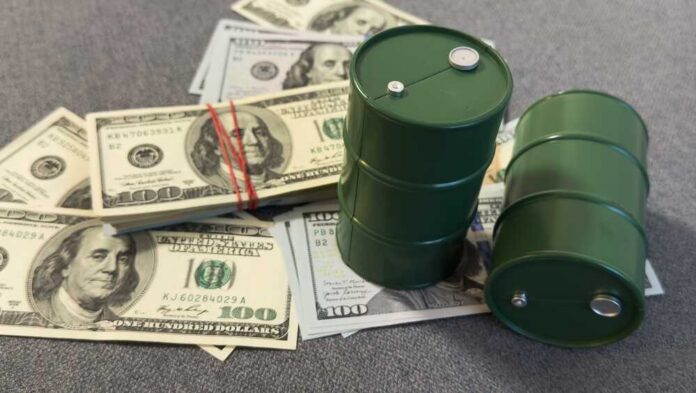
America’s emergency oil stockpile has sunk to a level not seen since 1983, and the drop is tied to a wartime response that kept crude pumping from the Strategic Petroleum Reserve.
Quick Take
- The Strategic Petroleum Reserve fell to 298.7 million barrels in the week reported on August 10, the lowest level since January 1983.
- The latest drop came after a 6.1 million barrel weekly decline, pushing the reserve below 300 million barrels for the first time in more than four decades.
- Energy Department data show the government has been releasing oil from the reserve in a planned response to supply stress from the Iran war.
- The reserve still holds a large physical stockpile, but the headline number has become a political warning sign as much as an energy one.
The Reserve Hits a Four-Decade Low
The U.S. Strategic Petroleum Reserve slipped to 298.7 million barrels last week, according to the Department of Energy, crossing below the 300 million barrel mark for the first time since 1983.
That number matters because this reserve was built as the country’s emergency cushion, the kind of backstop lawmakers hope they never need but always notice when it thins out.
US strategic petroleum reserves have been depleted to the lowest levels in four decades. H/t @DRBCurtis pic.twitter.com/B0h2NiYRj5
— Lisa Abramowicz (@lisaabramowicz1) August 11, 2026
The latest reading came after several weeks of heavy withdrawals and follows earlier reports that the reserve had already fallen to 340.3 million barrels in mid-June, then 316.5 million barrels in mid-July. Reuters said the June low was the weakest since 1983, while later reporting described the July level as the lowest since April 1983. The trend line is clear: the stockpile has been sliding fast.
Why Washington Kept Drawing It Down
The releases were not random. The Energy Information Administration said the Department of Energy released 17.5 million barrels from the reserve between the week ending March 20 and the week ending April 24, including 7.1 million barrels in the last week of that stretch. Reuters and other outlets linked the broader drawdown to the Iran war and the strain on oil moving through the Strait of Hormuz.
That context matters because emergency reserves are meant for exactly this kind of shock. The government used the reserve to steady supply when the market tightened, not as a bookkeeping trick.
The Trump administration also authorized a 172 million barrel release earlier in the crisis, a move described in reporting and government announcements as part of an emergency response to protect fuel supply.
Why the Number Feels Bigger Than the Barrel Count
A reserve can still be useful even when it is smaller than it used to be. The Department of Energy’s quick facts show the reserve’s storage system remains substantial, with underground caverns in Texas and Louisiana still holding oil.
But the public reads one number first, and right now that number is ugly: 298.7 million barrels, down from 402.74 million a year earlier in one market data series.
That is why the story has legs. Critics see a dangerously thin buffer. Supporters see a reserve doing the job it was built to do during a real crisis. Both views hold some truth, but the immediate fact is simple: the government chose to spend down an emergency asset to blunt a wartime oil shock, and the country now has less slack if another disruption hits.
The Political Debate Behind the Oil
The fight over the reserve is really a fight over tradeoffs. Lower stocks can help calm markets now, but they also leave less room for tomorrow’s emergency.
The Government Accountability Office has warned for years that repeated drawdowns raise questions about maintenance, readiness, and long-term planning. That is the part many readers miss when they only hear the phrase “lowest since 1983.”
The reserve was designed to protect the country from supply shocks, not to become a permanent political convenience. Right now, the United States has done the first part. The harder part is what comes next.
⛽️ The US Strategic Petroleum Reserve (SPR) has dropped below 300 million barrels for the first time since January 1983, after the government kept drawing down its emergency crude to offset the supply shock from the war on Iran, according to Department of Energy.
🔹The reserve… https://t.co/zz9FtPF2mc
— Drop Site (@DropSiteNews) August 10, 2026
Sources:
foxbusiness.com, en.wikipedia.org, oilpriceapi.com, spr.doe.gov, energy.gov, tradingeconomics.com, pewresearch.org, bipartisanpolicy.org, cnbc.com, spglobal.com, reuters.com, youtube.com, finance.yahoo.com