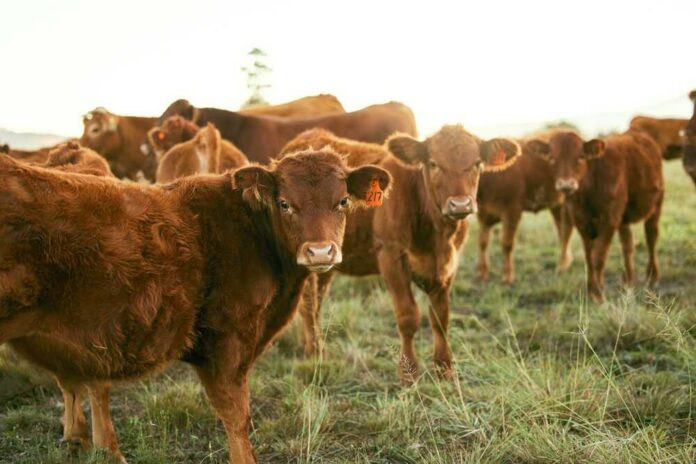
America’s beef map just shrank because cattle supplies fell to a 75-year low, and steaks will feel it.
At a Glance
- Tyson Foods will close two beef plants and seek a sale of a third amid a historic cattle shortage.
- The company will anchor beef operations around three central U.S. plants to boost efficiency.
- Executives reported deep losses in the beef segment as cattle costs stayed high.
- Industry analysts and federal data suggest tight supplies could last into 2027.
Tyson’s pullback shows how thin cattle supplies reshape the beef industry
Tyson Foods announced it will close its Joslin, Illinois, beef plant and its Eagle Mountain, Utah, case-ready facility, and will pursue the sale of its Pasco, Washington, beef plant.
The company said it will center its beef business around facilities in Dakota City, Nebraska; Holcomb, Kansas; and Amarillo, Texas to match supply with capacity and cut costs during a historic cattle shortage. That is a direct response to fewer cattle on offer, higher livestock prices, and weaker plant utilization.
The scale of the supply squeeze is not in dispute. Company leaders and outside reporting point to the United States cattle herd at or near a 75-year low, following years of drought that dried up grazing land and forced herd reductions.
When ranchers do not retain enough heifers to rebuild herds, feedlots stay light and packers compete for scarce animals. That drives cattle costs up and erodes processing margins, even as supermarket beef prices rise.
Losses, volume cuts, and a hard reset of capacity
Tyson’s beef unit swung to a quarterly operating loss and reported volumes down while prices rose, a classic sign of tight input supply. Executives told investors the beef segment lost $138 million in the quarter, with volume down nearly 16 percent and pricing up about 12 percent, reflecting constrained supply and higher cattle costs.
Management had already warned that full-year beef losses would widen if supplies stayed tight, and later trimmed the company’s profit outlook as the cattle shortage dragged on.
USDA data shows the nation entered 2026 with just 86.2 million cattle, down more than 8 million from 2019. https://t.co/y4VCwViNoc
— FOX 4 NEWS (@FOX4) August 17, 2026
Footprint changes started well before this week’s closures. Tyson shut down a major beef facility in Lexington, Nebraska, and cut to one shift in Amarillo, Texas, to improve utilization of the remaining lines. The latest moves extend that strategy.
Consolidating slaughter and fabrication where cattle are closest, and logistics are simpler, can lift yields, reduce idle time, and protect cash. That is not glamorous, but it is how commodity processors survive a down cycle without dumping quality or service.
What it means for shoppers, ranchers, and workers
Grocery shoppers should expect beef to stay pricey until the herd rebuilds. Packers will process fewer head, and retail supply will stay tight. That said, long production cycles mean relief takes time. Rebuilding herds requires retained heifers, pasture recovery, and feed affordability.
Analysts and company guidance suggest a meaningful rebound may not arrive until 2027 or later, keeping upward pressure on prices in the meantime. Households can shift to pork or chicken, but the sticker shock from steak night will likely persist.
Tyson Foods Restructures Beef Operations Amid Historic Cattle Shortage
Tyson Foods, the largest U.S. meatpacker, announced on August 13, 2026, that it will close two beef facilities and pursue the sale of a third as it scales back its processing footprint in response to one of…
— JimWooddell 🦌🥩 (@wooddell_jim) August 16, 2026
Ranchers face a split reality. Those with cattle to sell can command strong prices today. Yet they also need confidence that packer capacity remains stable near their regions. Tyson’s pivot to core central plants aims to maintain throughput where cattle density is highest.
For workers in the shuttered facilities, the hit is immediate and painful. Local economies tied to a single plant will need rapid job placement and support for small businesses.
The cattle cycle’s stubborn math and the road ahead
Beef runs on biology and weather. Drought years force herd cuts. Recovery takes seasons, not weeks. Tyson’s plan to anchor around three central hubs accepts that math and tries to ride out the trough with a leaner network. Critics may prefer companies to carry slack for the community’s sake, but thin-margin processors cannot print money.
Sources:
foxbusiness.com, tysonfoods.com, finance.yahoo.com, fool.com, investing.com, reuters.com