
Attorney General Todd Blanche said the administration will follow the Supreme Court’s order that keeps new mail-ballot rules on ice for the 2026 midterms.
Story Snapshot
- The Supreme Court left a lower-court block on new Postal Service ballot rules in place.
- Attorney General Todd Blanche said the administration will comply.
- States and election officials will use existing mail voting practices for November.
- The order signals the Court’s caution about changing rules close to an election.
What The Court Did And Why It Matters Now
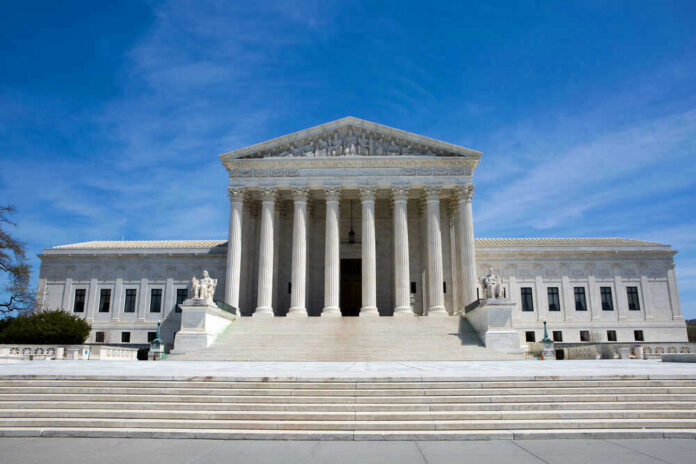
The Supreme Court declined to let the United States Postal Service enforce new nationwide mail-ballot limits before the midterms. The unsigned order left a lower-court injunction in place. That means the new rule stays blocked for this election cycle.
The Court also said the government was unlikely to win on the merits at this stage, which is a strong signal in an emergency setting. Voters and local officials now operate under familiar mail ballot rules, not a new federal layer.
The decision fits a pattern in election cases. Courts avoid late changes that could confuse voters or disrupt election plans already in motion. Scholars often call this the Purcell principle, named after a 2006 case.
The idea is simple: do not change the rules as voting nears if you can avoid it. The Court’s order here tracks that logic. It keeps the status quo, so ballots move under known processes that states and counties are already trained for.
US Attorney General Todd Blanche said that the Trump administration would comply with the Supreme Court's decision to not let the US Postal Service enforce a rule targeting mail-in ballots https://t.co/CnZUDvR3gv pic.twitter.com/yOxLiY4jP8
— Reuters (@Reuters) September 15, 2026
The Administration’s Posture And Next Steps
Attorney General Todd Blanche addressed the order and cut to the point. He said the administration will comply with the Supreme Court’s decision, as it always does. That statement removes doubt about near-term enforcement and spares local officials a whiplash shift.
Blanche also said the Department of Justice will keep pursuing election-integrity work that does not conflict with the ruling, such as going after clear-cut illegal voting conduct under existing law.
The rule that remains blocked would have set new mail design and addressing requirements for ballot envelopes and related mail streams. Supporters cast those steps as common-sense guardrails to speed sorting and reduce mishandling.
Opponents argued the Postal Service reached into state election control without congressional approval. The lower court agreed the challengers were likely to succeed, and the Supreme Court declined to step in before November.
How This Shapes The Midterms On The Ground
Election officials can keep printing, mailing, and counting under their current timelines. Voters can rely on the same instructions they know from past cycles. That avoids new forms, reprints, or retraining that late rules often trigger.
Turnout by mail tends to rise or fall with trust and clarity. Keeping the known playbook lowers the risk that a late federal change could trap ballots in technical errors or slow the count with brand new checks.
The order does not bless loose rules. It tells agencies and courts to stop last-minute shifts that overrun state control.
If Washington wants new national mail standards, Congress should say so clearly. Until then, states set the procedures. The Court’s caution keeps power closer to the people who run elections every day and answer to local voters.
The Long Game: Courts, Congress, And Clean Elections
Emergency orders like this one increasingly decide how Americans vote. These rulings do not write new law, but they shape elections in real time. The safer path is durable policy through legislation, not a scramble in court on the eve of voting.
Clear statutes would set guardrails for the Postal Service’s role with ballots and reduce the rush of late lawsuits that invite confusion and delay at the worst moment.
For now, the marching orders are plain. The Supreme Court kept the block. The administration will comply. States will run mail voting as usual for November. The broader debate about mail ballots, fraud risks, access, and speed will continue.
But Congress and the states should settle that debate in daylight, with time to train workers and inform voters. That is how you build trust and count every lawful vote without drama.
Sources:
cbsnews.com, npr.org, cnbc.com, reuters.com