
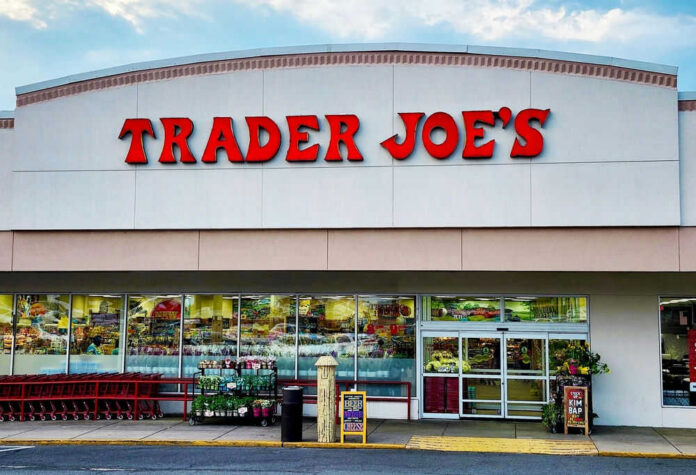
Trader Joe’s faces a class-action lawsuit because its “low acid” coffee packs only half the caffeine punch of regular blends, leaving buzz-hungry customers feeling robbed.
Story Snapshot
- Four plaintiffs from California, New York, and Illinois sue over French Roast Low Acid whole bean coffee’s undisclosed low caffeine.
- Independent tests show 51% caffeine in Dark French Roast and 45% in House Blend.
- Suit claims deceptive marketing, as reduced-caffeine products like half-caff require labels unlike standard coffee.
- Plaintiffs demand sales halt, damages, and labeling fixes under California consumer laws.
Lawsuit Filing Details
Four customers filed the class-action lawsuit in California Superior Court on Thursday. They target Trader Joe’s French Roast Low Acid whole bean coffee, sold nationwide. Plaintiffs bought the product expecting a full caffeine boost for daily energy.
Independent testing revealed the coffee contains roughly half the caffeine of Trader Joe’s standard blends. This gap sparked claims of consumer deception since shoppers cannot test beans before purchase without lab tools.
Trader Joe's customers sue over coffee's caffeine levels. https://t.co/3CFnY9988E
— CBS News (@CBSNews) April 25, 2026
Caffeine Levels and Testing Results
Testing showed that the low-acid coffee had 51% of the caffeine of Trader Joe’s Dark French Roast and 45% of the House Blend. These figures fall even below some competitors’ half-caff options, such as Folgers and Puroast.
Plaintiffs argue this reduced level demands disclosure similar to decaf or half-caff labels. FDA guidelines exempt full-caffeinated coffee from caffeine listings but require notices for processed reductions. The suit positions low-acid processing as equivalent to such reductions.
Industry Labeling Standards
Coffee industry norms dictate that no caffeine disclosure is required for regular, full-strength products. Decaf and half-caff blends carry explicit labels to alert buyers. Plaintiffs contend Trader Joe’s violates this by branding solely as “low acid” without caffeine warnings.
Low acid targets stomach-sensitive consumers while still implying standard energy delivery and this aligns with labeling reduced caffeine to avoid misleading daily coffee drinkers who rely on that jolt to power through workdays.
Plaintiff Motivations and Demands
Unnamed plaintiffs from three states represent a nationwide class of buyers. They claim overpayment for subpar caffeine and seek monetary damages potentially in the millions.
The suit demands that Trader Joe’s halt unlawful sales and marketing. It also calls for reassessment of prior customer claims. Coffee drinkers rely on caffeine to get through the day, per quotes from the lawsuit. This underscores perceived betrayal in a trusted grocery staple.
WOKE Trader Joe's customers sue over coffee's caffeine levels https://t.co/f3MsaKqThF
— JT Badenov (@cbinflux) April 25, 2026
Potential Impacts on Trader Joe’s and Industry
Short-term effects include legal costs and possible product pull or relabeling for Trader Joe’s. In the long term, a win could set a precedent for caffeine disclosure in low-acid and specialty coffees. Nationwide buyers face disruption if sales pause.
The case heightens scrutiny of grocery labeling and may prompt the FDA to review coffee standards. Competitors like Folgers might test their low-acid lines to preempt similar suits and reinforce norms around reduced-caffeine labeling.
Sources:
Trader Joe’s customers sue claiming there is not enough caffeine in their coffee
Trader Joe’s customers sue over coffee’s caffeine levels – CBS News
Trader Joe’s Sued Over Coffee With Allegedly Low Caffeine – Delish