

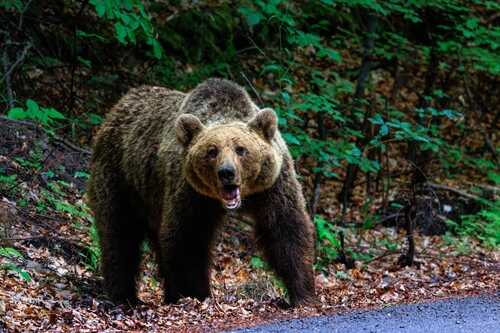
Raising safety alarms where wilderness meets suburban life, bear encounters in an American city have turned perilous as two hikers were attacked within a week.
At a Glance
- Two separate bear attacks occurred near Anchorage trails within a week.
- Both victims survived, although one remains hospitalized.
- Authorities warn hikers to avoid salmon-bearing streams.
- Bear attacks are considered defensive, not predatory.
Bear Attacks Shake Anchorage
In the wilderness-adjacent city of Anchorage, Alaska, recent bear attacks have stirred concern and prompted safety measures for hikers. Within a mere week, two frightening encounters occurred on popular trails, underscoring the risks of human-wildlife interactions in this unique urban-wildlife interface.
The first incident happened when a woman hiking alone on the Dome Trail was attacked by a brown bear. She sustained injuries to her head, neck, and arm, necessitating a helicopter evacuation.
Just days later, a man was mauled near Eagle River after his unleashed dog startled a bear with her cub, leading to a defensive reaction from the animal.
These incidents have not only highlighted the dangers of hiking in the vicinity of Anchorage’s abundant bear population but have also prompted authorities to issue urgent warnings.
Hikers are being urged to avoid trails near salmon-bearing streams, where bears are particularly active during this season. In addition, carrying bear spray, making noise, and keeping pets leashed are some of the precautions emphasized to mitigate the risk of encounters.
Understanding the Urban-Wildlife Interface
Anchorage, with its blend of urban neighborhoods and vast wilderness areas, including the Chugach Mountains and Chugach State Park, is home to hundreds of bears. The proximity of these wild creatures to populated areas makes encounters inevitable, especially during the summer salmon runs.
The city covers nearly 2,000 square miles, a landscape that invites both outdoor enthusiasts and wildlife alike. Authorities, therefore, walk a tightrope, balancing the conservation of these majestic animals with the safety of residents and visitors.
Both bear attacks this July were deemed defensive, meaning the bears were likely reacting to perceived threats rather than attacking out of aggression.
This is an important distinction, as it informs the response strategies employed by wildlife officials. Rather than pursuing and euthanizing the bears, authorities focus on public education and safety measures. This approach underscores a broader philosophy of coexistence and prevention rather than retribution against the wildlife.
Community Concerns and Responses
The recent attacks have understandably rattled the Anchorage community, raising anxieties about safety on the trails. The close timing of the incidents has intensified public concern, prompting immediate action from local officials.
Measures such as trail closures and increased monitoring of bear activity have been implemented to prevent further incidents. Moreover, there’s a push for heightened public awareness campaigns, urging residents and tourists to adhere strictly to safety guidelines.
As both victims recover, the community is reminded of the inherent risks posed by living adjacent to such a rich natural environment.
Local authorities, including the Alaska Department of Fish and Game and the Anchorage Police Department, play crucial roles in managing these situations, coordinating emergency responses, and disseminating information to the public.
Their efforts are supported by park rangers and the Anchorage Fire Department, ensuring a comprehensive approach to both immediate incidents and ongoing risk management.
Looking Forward: Safety and Education
In the aftermath of these attacks, there is a renewed focus on the long-term strategies necessary to ensure safety while maintaining the integrity of Anchorage’s natural landscapes. This involves not only public education but also adaptive management of trails and wildlife monitoring.
The economic impact on tourism and outdoor recreation businesses is another consideration, as safety concerns could potentially deter visitors in the short term.
Ultimately, the goal is to foster a community that is well-informed and prepared to coexist safely with its wild neighbors. The recent bear attacks serve as a stark reminder of the responsibilities that come with living in such a unique environment, where the beauty of nature is tempered by its unpredictability.
Authorities continue to investigate the incidents while reinforcing the importance of vigilance and respect for wildlife, ensuring that Anchorage remains a place where humans and bears can coexist, albeit cautiously.