Death threats against President Donald Trump erupt on social media, exposing the real-world dangers of political extremism and the urgent need to defend the rule of law amid rising hostility toward conservative leadership.
Story Snapshot
- An Indiana woman was arrested for making explicit death threats against President Trump on Instagram.
- The suspect, a former pharmacist, cited retribution for COVID-19 pandemic deaths as her motive.
- Law enforcement responded swiftly, with the Secret Service and DOJ leading the investigation.
- The case underscores growing concerns over political violence and attacks on American institutions.
Explicit Social Media Threats Target President Trump
Between August 2 and August 9, 2025, Nathalie Rose Jones, a 50-year-old from Lafayette, Indiana, posted a series of graphic death threats against President Trump on Instagram. Her posts directly referenced violent acts and called for retribution over deaths she attributed to pandemic mismanagement.
Law enforcement took her threats seriously, viewing them as a clear violation of federal law prohibiting threats against the president. These actions highlight how unchecked online rhetoric can quickly escalate into criminal behavior, threatening national stability.
Jones’s arrest on August 16 in Washington, D.C., came just days after her threatening posts. Federal authorities, including the Secret Service and Department of Justice, acted decisively, charging her with making threats against the president and transmitting threats via interstate communications.
The speed and seriousness of the response reflect heightened awareness among law enforcement of the potential for online threats to translate into real-world danger, especially given the nation’s polarized climate and the frequency of attacks on conservative leaders and constitutional principles.
Political Extremism, Mental Health, and Law Enforcement Response
The explicit nature of Jones’s threats, combined with her stated motive of avenging pandemic deaths, illustrates the dangerous intersection of political extremism and mental health issues.
Her background as a former pharmacist, suspended from practice due to mental or physical disability, adds another layer of complexity.
Despite admitting to making the posts, Jones denied an actual desire to harm the president—a claim that does little to lessen the gravity of her actions or their potential impact.
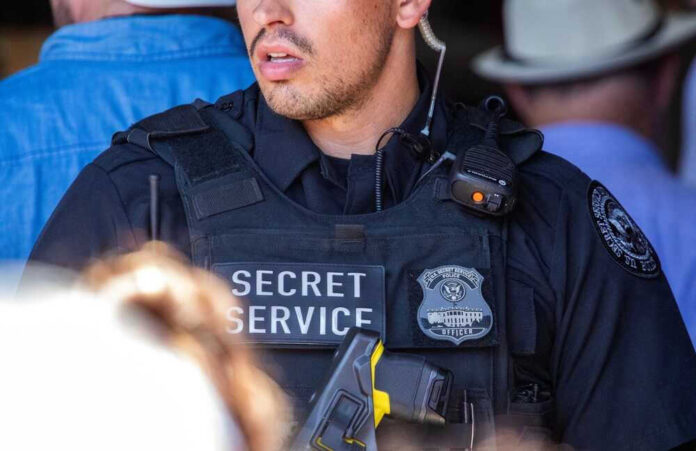
The Secret Service emphasized the seriousness of the crime, reaffirming its commitment to protect public officials and uphold the rule of law against those who would resort to violence or incitement.
Prosecutors and law enforcement leaders have made it clear that threatening the life of the president is among the gravest of federal offenses. Such threats, even if not meant to be carried out, erode public trust and safety, emboldening others who might take violent rhetoric literally.
The swift federal response stands as a warning that attacks—whether physical or digital—against conservative values, elected officials, and the constitutional system will not be tolerated.
This vigilance is crucial at a time when many Americans are already frustrated by years of political hostility, government overreach, and a media environment that too often downplays leftist extremism.
Impact on Free Speech, Security, and Public Discourse
This high-profile case has reignited debate over the boundaries of free speech, public safety, and political activism. While legal experts agree that credible threats against public officials are prosecutable, mental health professionals warn that underlying psychological issues can complicate both prosecution and prevention.
Scholars of political violence caution that normalizing extreme rhetoric online risks real-world escalation, while free speech advocates urge careful distinctions between hyperbolic speech and genuine threats.
The broader public, particularly those who value constitutional protections and civil order, are left to grapple with the balance between safeguarding individual liberties and ensuring the security of national leaders.
The case also amplifies concerns about the role of social media as a catalyst for political violence. Law enforcement agencies are dedicating increasing resources to monitoring online threats, while the public is reminded of the real consequences that stem from digital platforms being used to incite or threaten violence.
As political polarization intensifies, the need to defend the Constitution, protect free speech responsibly, and uphold law and order becomes ever more urgent—especially for those who have watched their values and communities targeted by radical agendas and reckless rhetoric.
Broader Implications for Conservative America
For conservative Americans, this incident is a stark reminder of the threats facing those who defend traditional values, constitutional rights, and the rule of law. The willingness of extremists to target high-profile leaders like President Trump exposes the dangers of unchecked political rage and ideological intolerance.
The resolute actions of law enforcement serve as a reassurance that, despite years of government overreach and leftist agendas, there remains a firm commitment to protecting the nation’s foundational principles.
Yet, the case also calls for ongoing vigilance to ensure that the tools used to combat genuine threats are not turned against lawful dissent or used to suppress legitimate free speech. This challenge requires common sense, clarity, and unwavering support for American values.
Sources:
Indiana woman charged after making Trump death threats on Facebook
U.S. Secret Service Newsroom – Press Releases
Indiana Woman Charged with Making Death Threats on Facebook Against President Trump
Indiana woman faces charges after making threats against Trump