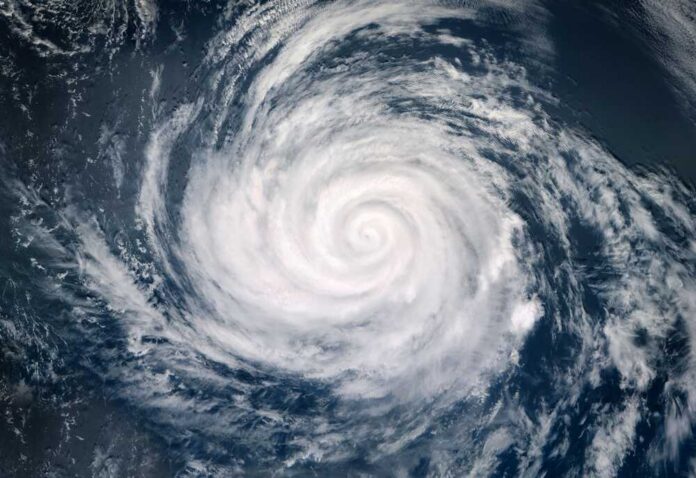
Tropical Storm Bertha is the kind of Gulf storm that looks modest on radar but still forces real choices on shore.
Quick Take
- Bertha formed from Tropical Depression Two in the northeastern Gulf and reached tropical storm strength quickly.
- The National Hurricane Center said the storm would stay a tropical storm, not a hurricane, while still bringing rain, wind, and surge risk.
- Forecasts pointed to a slow drift near the northern Gulf Coast, with the Florida Panhandle among the places watching closely.
- Media reports differed on the size of the threat, which can make a weak storm feel more confusing than dangerous.
How Bertha Took Shape
The National Hurricane Center upgraded Tropical Depression Two to Tropical Storm Bertha after reconnaissance data showed stronger winds and a lower central pressure. The storm sat in the northeastern Gulf and moved slowly west-northwest, giving forecasters time to track it but not time to dismiss it.
That slow pace mattered. A system crawling across warm Gulf water can still load up on rain, push coastal water inland, and keep residents watching for changes hour by hour. Bertha was not a fast-moving strike storm. It was a waiting storm, and those often create the most uncertainty.
What Forecasters Said About the Threat
Forecasts said Bertha would remain a tropical storm, with top winds near 50 miles per hour and only slight strengthening possible before gradual weakening later in the week. The National Hurricane Center also warned of 2 to 4 inches of rain, with isolated higher totals near 6 inches, which kept flash flooding on the table even without hurricane-force winds.
The Weather.com report said a Tropical Storm Watch covered part of the Florida Panhandle, from the Ochlockonee River to the Alabama border, and also mentioned a 1 to 3 foot storm surge risk in some coastal areas. That is not a catastrophic forecast, but it is not nothing either. Water does not need hurricane status to damage roads, docks, and low-lying neighborhoods.
Why the Public Story Got Messier Than the Forecast
Some reports said Bertha would stay far enough west to spare Florida direct impacts, while others said coastal watches were already in place. That gap does not change the storm itself, but it does change how people hear the storm. When one headline says “no direct impacts” and another says “watch issued,” trust starts to wobble.
The strongest evidence still points to a limited but real threat along the Gulf Coast, not a major hurricane emergency. The storm’s slow motion, modest wind field, and projected rainfall all support that view. Still, the presence of watches, surge concerns, and changing track guidance means the safer reading is caution, not comfort.
#Bertha now down to 998mb according to last recon pass and NHC believes there’s enough evidence supports 50mph TS which matches the improvement in SAT presentation we’ve seen to make the shrimp look.
Some of the coldest convection we’ve seen yet as well and like thought after… https://t.co/fchynfWEz2 pic.twitter.com/Z143vuyZYV
— BGWX (@BradyBGWX) July 21, 2026
That is the part many readers miss. A tropical storm can be weak in wind and strong in consequence. It can look ordinary on a map and still drain roads, swell tidal water, and keep emergency managers busy. Bertha fits that pattern neatly, which is why forecasters kept their tone measured.
What the Conflicting Forecasts Really Mean
The disagreement in coverage was less about whether Bertha existed and more about how far its effects would spread. The National Hurricane Center stayed the anchor source, while media outlets interpreted the same storm through different local lenses. That is common in Gulf weather. The centerline can shift a little, and that small shift changes everything for a beach town.
For readers, the lesson is simple. A storm does not need to become a hurricane to matter. Bertha’s mix of slow motion, coastal rain, and possible surge made it a serious watch item even as forecasters kept it below hurricane strength. In weather, the headline danger is often not the whole danger.
Sources:
apnews.com, nhc.noaa.gov, youtube.com