

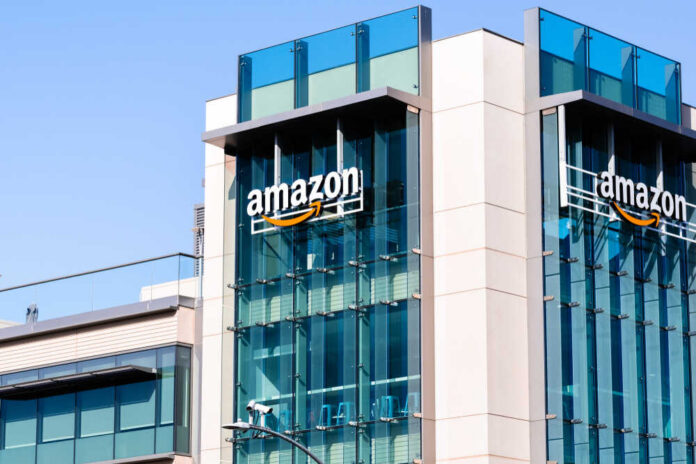
Amazon is opening the door to more than 300,000 U.S. paychecks for the holiday rush.
Story Snapshot
- Amazon announced 300,000-plus U.S. roles across seasonal, part-time, and full-time work.
- Openings roll out weekly from October through December to meet peak demand.
- Qualifying seasonal workers gain access to low-cost healthcare starting January 1, 2027.
- The scale tops last year’s level and anchors holiday hiring in a softer retail market.
Amazon launches its biggest holiday hiring wave
Amazon said it plans to hire over 300,000 people across its U.S. core operations network for the holiday season. The roles include seasonal, part-time, and full-time positions. The company framed this as a national push to keep packages moving and shelves stocked during peak shopping months. New job postings will appear each week from October through December. That pace matches how large logistics networks flex for fast delivery windows.
Major outlets reported the campaign’s scale on the day of the announcement. Coverage described the figure as larger than last year, with a clear message: Amazon intends to carry more of the holiday load as other retailers hold steady or trim plans. For workers, that means more on-ramps: warehouse roles, sorting, delivery station shifts, and customer operations. For shoppers, it means faster restocks and delivery when demand spikes.
Healthcare access expands for qualifying seasonal workers
Amazon tied the hiring news to a healthcare change that matters for families who rely on seasonal work. Seasonal employees who work at least 30 hours per week will have access to health plans starting January 1, 2027. Plans start at $5 per week with $5 copays, the company says. Workers hired on or after January 1 receive coverage on day one; those hired earlier gain access on January 1 if they meet the hours threshold.
J. Ofori Agboka, Amazon’s vice president of People Experience and Technology, said the goal is simple: qualifying seasonal workers get healthcare whether they join for the holidays or another time in the year. That matters because Amazon hires seasonal help year-round to match regional demand. The company is signaling that regular seasonal labor is part of its long-term model, not only a December spike.
Where these jobs fit in the holiday labor puzzle
Holiday hiring surges every year as retailers bulk up, then wind down when the rush ends. Federal data show retail employment rose by about 494,000 jobs during the October-to-December 2023 buildup. The average holiday increase in recent years has been lower than before the pandemic, which puts Amazon’s 300,000-plus plan in rare company for scale. The company’s network spans fulfillment centers, sort centers, delivery stations, and air hubs, which need tight staffing to keep promised ship speeds.
UPS is hiring 100,000 seasonal workers this year, and Walmart isn't running a national seasonal campaign at all, leaning on existing staff and extra hours instead. Amazon had held at 250,000 for three straight years before this 300K+ jump.
— Lu*i (@shadownet1337) October 21, 2026
Amazon said it will post roles steadily through the fall, which gives job seekers multiple chances to land shifts as schedules change. That cadence spreads the onboarding load across months, easing strain on training and safety teams while keeping service levels up. The headline number combines seasonal, part-time, and full-time roles, so the exact mix matters for how long these paychecks last. The company announced plans, not final filled positions, which is common for peak-season hiring.
What this means for workers, shoppers, and cities
Workers get more options, from short bursts to stable schedules. Families can stack hours before big holiday bills arrive, then decide whether to stay if a full-time offer comes. Healthcare access for qualifying seasonal staff is a practical win, because a cough in January costs less when coverage starts that day. Shoppers benefit when faster restocks and on-time delivery hold through late-season sales. Cities near big sites get a short-term lift as new wages flow through local stores and gas stations.
Sources:
foxbusiness.com, press.aboutamazon.com, fox5dc.com, qz.com, bls.gov