

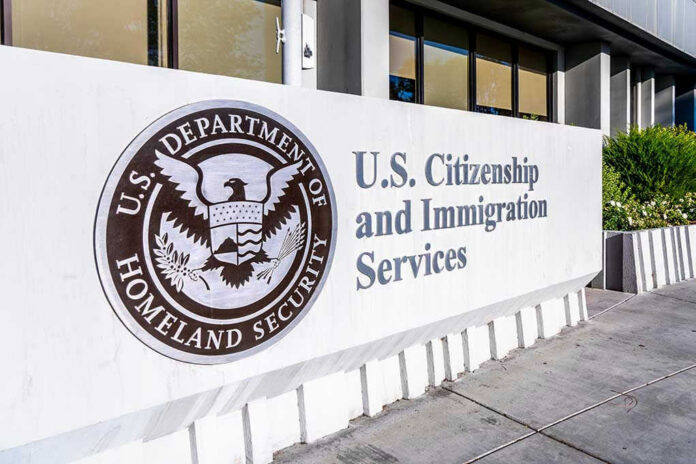
A 41-year-old father collapsed inside a New Jersey immigration jail and never came home.
Story Snapshot
- Federal immigration officials say Edwin Lopez-Cornejo died after a sudden medical emergency while in custody.
- The death happened inside the Delaney Hall detention facility in Newark, already under fire for past medical concerns.
- Family members and advocates claim he begged for care and medicine that never came in time.
- This case exposes how America handles sick migrants locked in taxpayer-funded detention.
A medical emergency behind locked doors
United States Immigration and Customs Enforcement said Edwin Lopez-Cornejo, a 41-year-old man from El Salvador, suffered a medical emergency while detained at Delaney Hall in Newark, New Jersey. Staff moved him from the facility to a nearby hospital, where doctors pronounced him dead shortly after he arrived.
Officials released few details about what happened inside the jail before that emergency. The agency said the official cause of death is still pending, and a medical examiner has not yet issued a final report.
Lopez-Cornejo had been arrested in Plainfield, New Jersey, in mid-June and held at Delaney Hall for several weeks while the government worked to remove him under a prior deportation order. Immigration and Customs Enforcement described him as a foreign national who reentered the country illegally after a past removal.
That status put him in civil detention, not a criminal prison, yet he still lived under strict rules, locked doors, and full control by guards and private contractors over his medical care and daily life.
Inside Delaney Hall and its growing death toll
Delaney Hall is a privately run immigration detention facility in Newark that contracts with the federal government to hold migrants awaiting immigration hearings or deportation.
Lopez-Cornejo’s death is the second reported death at this facility since it reopened, turning one building into a symbol of rising concern about how America treats people in custody who have not been convicted of crimes.
New Jersey leaders, including the mayor of Newark, called the new death “heartbreaking” and raised alarms about oversight and accountability at the site.
A Salvadoran migrant who was in Immigration and Customs Enforcement custody in New Jersey died following a "medical emergency" over the weekend, federal officials said Monday.https://t.co/rMUlsHdSGX pic.twitter.com/M8kSAkdkC9
— Eyewitness News (@ABC7NY) August 4, 2026
Civil rights groups already flagged Delaney Hall as dangerous before this case. The American Civil Liberties Union of New Jersey said detention centers like Delaney Hall show “routine denial of proper medical care” and called Lopez-Cornejo’s death another example of “inhumane conditions.”
National reports have tracked dozens of deaths in immigration custody in recent years, linking many of them to health problems that were not addressed properly or that worsened behind bars. Each new case deepens the sense that something structural, not just individual, is going wrong.
Family claims of unanswered pleas for help
Lopez-Cornejo’s mother described a bleak final chapter for her son. She said he lived with diabetes, high blood pressure, and seizure disorders and depended on regular medication to stay stable and safe.
According to her account, he told family that staff at Delaney Hall were slow or unwilling to give him the medicines he needed and that he felt his body slipping while his requests went unanswered.
Advocates repeated those claims, accusing the jail of preventable neglect and warning that he died after weeks of warning signs.
Immigration and Customs Enforcement pushed back on that picture. Officials said Lopez-Cornejo “received proper medical care and was seen by medical professionals” during his time at Delaney Hall.
That statement, however, did not explain what treatment he received, how often staff checked his vital signs, or how quickly they responded when his condition turned serious.
American values place high weight on individual responsibility and the rule of law, yet they also respect basic human dignity. When the government locks someone up, cases like this say it takes full responsibility for that person’s safety.
What this death reveals about detention and responsibility
This story sits inside a wider pattern. When someone dies in immigration custody, the first message often comes from the government, framed as a medical emergency or natural causes. Families and advocates then rush forward with claims of missed medicine, slow response, or outright neglect.
The government controls the logs, charts, and camera footage. Outside groups control the personal stories. The truth must come from careful review of records, not from either side’s spin.
On August 1, 2026, Edwin Lopez-Cornejo, a 41-year-old Salvadoran migrant, died after experiencing a medical emergency while in ICE custody at the Delaney Hall Detention Facility in Newark, New Jersey. His death has intensified fierce local protests and legal battles surrounding…
— Leinona Aoki (@LeinonaA69) August 4, 2026
Reports from civil rights organizations show that deaths in Immigration and Customs Enforcement custody are not freak accidents. They cluster around serious but treatable conditions, such as heart disease, diabetes, and infections that worsen when care is delayed.
From a standpoint, this raises a sharp question. If taxpayers fund these centers to enforce immigration law, should we accept anything less than hospital-level attention to life-and-death conditions inside them? Many readers would say “no,” because law and order loses its moral force if the price is avoidable death.
What comes next for Delaney Hall and for policy
Lawmaker statements after Lopez-Cornejo’s death did not attack immigration enforcement itself. Instead, they demanded facts: a full medical record, clear timelines, and explanations for why he died in custody while under the care of a government contractor.
Members of Congress and local officials called for investigations and stronger oversight at Delaney Hall, suggesting that private operators must meet higher standards if they want government contracts and public trust. These calls reflect an idea: power must answer to consequences.
The future of Delaney Hall will likely hinge on what the medical examiner finds and what internal reviews show about staff actions and care. If records prove he received timely, appropriate treatment, criticism may shift toward the hard reality that some patients die despite best efforts.
If logs show long gaps, missing medicine, or weak training, demands for reform will sharpen and may spread to other facilities. For a nation that promises both secure borders and respect for human life, how officials resolve this case will speak louder than any press release.
Sources:
abcnews.com, koco.com, assets.aclu.org, inquirer.com, insidernj.com, facebook.com, aclu-nj.org, patch.com, aljazeera.com, foxnews.com, aol.com