

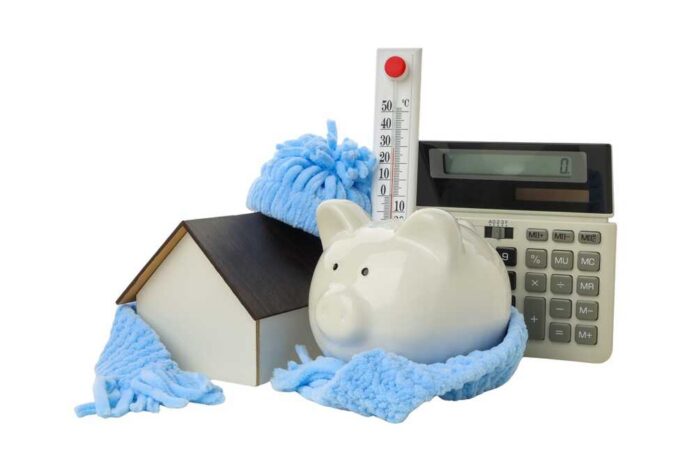
Heating-oil households face the steepest jump in winter bills, with costs projected to surge about one-third this season.
At a Glance
- Heating oil bills are projected to rise 31.3 percent this winter.
- Average U.S. home heating costs are expected to reach $1,030, up $82.
- Forecasts link higher oil prices to the war in Iran and global supply risk.
- Retail prices already show stress in Northeast markets, signaling early pressure.
Heating Oil Tops The Winter Risk List
The National Energy Assistance Directors Association projects heating-oil households will see a 31.3 percent jump in winter costs. The group also estimates the average U.S. household will spend $1,030 to heat their home, up 8.7 percent from last winter. The biggest driver is oil.
The forecast ties the increase to higher heating-oil prices linked to the war in Iran and the risk premium on global crude supply, which flows through to retail fuel.
Americans who use heating oil to warm their homes are likely to face a sharp spike in utility costs this winter as the Iran war drives up global energy prices, according to a new forecast. https://t.co/Cs12lapjX1
— CBS Mornings (@CBSMornings) September 15, 2026
Retail conditions echo the outlook. A Boston supplier reported per-gallon prices near $6 and advised some customers to order half tanks to manage cash flow, while calls came in weeks early amid sticker shock. High prices in the Northeast matter because that region uses the most heating oil.
When street prices move first, household budgets feel it before the coldest months even arrive. That early squeeze often leads families to smaller deliveries and tighter thermostats.
Why Bills Jump When Oil Prices Climb
Heating-oil prices track crude oil plus refining, distribution, and marketing costs. The United States Energy Information Administration explains that winter fuel forecasts are built on crude price assumptions and updated as weather and markets shift.
When crude rises and distillate supplies tighten, retail heating-oil prices move up. That now meets a winter demand ramp. The result is a heavier bill, even if a household uses the same number of gallons as last year.
Weather multiplies the effect. Colder months raise consumption, and the Energy Information Administration notes that a colder outlook lifts both fuel use and the retail price path as inventories draw down.
Add in refinery margins and transport costs, and the gap between spot oil and the truck at your curb widens. If the winter tilts colder and global tensions persist, total household spend will rise faster than the per-gallon gain alone.
Regional Signals Point To Real-World Pain
Northeast reports show how fast conditions can change on the ground. Local newscasts captured per-gallon quotes near $6 in Massachusetts and early ordering behavior, with dealers coaching customers to stretch deliveries. These local pieces are not a national average.
They are, however, canaries. When the core oil-heat region buckles first, broader averages tend to follow as wholesalers and retailers reset prices across delivery zones. That is how a forecast becomes a bill in your mailbox.
Policy choices now matter. Protect family budgets, keep energy reliable, and avoid avoidable shocks. That means stabilizing supply, clearing bottlenecks, and moving fuel efficiently.
Federal and state leaders should cut red tape that slows refining shifts and winter-grade logistics. Energy-assistance programs help in a pinch, but the best relief comes from lower prices, steady supply, and sane rules that keep trucks rolling when temperatures drop.
How To Prepare Before The First Hard Freeze
Households can act now to blunt the hit. First, schedule a furnace tune-up to burn fewer gallons. Second, price-shop deliveries and ask about budget plans; some dealers offer fixed-price or cap programs when markets turn volatile. Third, seal drafts and add basic insulation in attics and basements.
Fourth, set a firm thermostat plan and stick to it. Finally, check eligibility for energy help if needed; getting on the list early beats scrambling when a cold snap drains the tank.
What To Watch As Winter Unfolds
Keep an eye on three markers. Watch crude benchmarks for moves tied to the Iran conflict and shipping risk. Track Energy Information Administration weekly retail heating-oil prices for your state to see how dealer quotes compare to official trends.
Follow degree-day weather updates; colder runs will lift expected use and push inventories lower. If these three rise together, plan for higher spend. If crude eases and the winter softens, total bills may stabilize even if prices stay elevated.
Sources:
cbsnews.com, eia.gov, cnn.com, neada.org