Iran’s unprecedented assault on every Gulf Cooperation Council nation shatters decades of regional security assumptions while threatening 20% of global oil supplies—exposing how the regime’s reckless retaliation endangers American interests and innocent civilians across the Middle East.
Story Snapshot
- Iran launched its largest missile barrage on Qatar’s capital Doha on March 5, 2026, marking the first time in history Tehran has attacked all six GCC states simultaneously
- U.S.-Israeli operations destroyed 80% of Iran’s air defenses and 60% of missile launchers since Operation Epic Fury began February 28, killing former Supreme Leader Ali Khamenei
- Iranian blockade threats in the Strait of Hormuz disrupted 20% of global oil trade, pushing prices above $100 per barrel and strangling energy markets
- Israel suffered 11 deaths and over 1,000 injuries from Iranian missiles, while 1,045 Iranian casualties resulted from coordinated U.S.-Israeli strikes on military and nuclear targets
Iran’s Reckless Expansion Hits Gulf Allies
Iran’s Islamic Revolutionary Guard Corps unleashed its most extensive missile barrage yet on Doha, Qatar, on March 5, 2026, despite Tehran’s hollow claims of targeting only American interests.
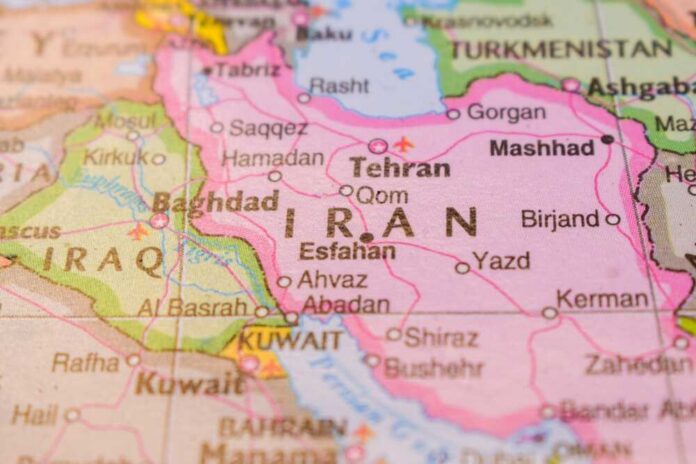
Explosions rocked the capital as air defenses intercepted most projectiles, though civilian infrastructure including airports and commercial districts sustained damage across the United Arab Emirates, Kuwait, Bahrain, Saudi Arabia, and Oman.
Qatar’s Prime Minister Abdulrahman bin Jassim Al-Thani immediately condemned the strikes as a blatant sovereignty violation, exposing Iran’s fabricated narrative.
This marked the sixth consecutive day of escalation since Operation Epic Fury decimated Iranian leadership and military capabilities, demonstrating the regime’s desperation to strike back regardless of collateral damage to neutral neighbors.
🚨JUST IN: Secretary of War Pete Hegseth just said today will be the US military's MOST intense day of strikes against Iran:
"Today will be yet again our most intense day of strikes inside Iran. The most fighters, the most bombers, the most strikes. Intelligence more refined and… pic.twitter.com/6ViXqsBKnx
— Morse Report (@MorseReport) March 10, 2026
Trump Administration Achieves Military Dominance
President Trump’s decisive response, backed by congressional approval, established complete U.S.-Israeli airspace control over western Iran to central Tehran by March 2. Israeli Lt. Gen. Eyal Zamir confirmed the destruction of 80% of Iranian air defense systems and 60% of missile launchers, a staggering degradation of the regime’s offensive capacity.
American naval forces sank 17 Iranian warships attempting to enforce an illegal blockade in the Strait of Hormuz, neutralizing Tehran’s threats against global energy supplies.
This overwhelming military superiority reflects the strength patriots demanded after years of Biden-era appeasement that emboldened Iranian aggression. The Trump administration’s resolve sends an unmistakable message: attacks on American interests and allies will meet swift, crushing retaliation.
Regional Security Collapses Under Iranian Chaos
The simultaneous strikes across all GCC nations shattered the illusion of Gulf security, according to ACLED analyst Luca Nevola, ending decades of risk aversion in a region hosting critical American military installations. Iran’s strikes targeted Abu Dhabi airport, Bahrain’s oil facilities, and Saudi Arabia’s Ras Tanura complex, deliberately expanding chaos beyond military objectives.
The regime’s new Supreme Leader Mojtaba Khamenei, installed after his father’s death in Operation Epic Fury, authorized fresh missile volleys toward Israel despite dwindling arsenals. Hezbollah’s coordinated attacks from southern Lebanon, triggering over 250 Israeli counter-strikes, demonstrate Iran’s proxy strategy remains active.
This multi-front escalation exposes how decades of diplomatic weakness allowed Tehran to build an “Axis of Resistance” threatening American partners from the Persian Gulf to the Mediterranean.
Energy Markets Reel From Supply Disruptions
Twenty percent of global oil trade ground to a halt as Iranian threats paralyzed shipping through the Strait of Hormuz, the world’s most vital energy chokepoint. Oil prices surged above $100 per barrel while liquefied natural gas disruptions threatened European allies already strained by energy shortages.
American tankers came under direct attack, with Iran claiming to have struck one vessel, though U.S. naval dominance prevented broader catastrophe. Gulf states hosting U.S. forces now face the consequences of Iran’s indiscriminate targeting, validating conservative warnings that Middle Eastern stability requires American strength, not apology tours.
The economic fallout illustrates how Iranian aggression endangers not just regional security but global prosperity, demanding the firm leadership Trump restored after years of strategic retreat.
Looking Ahead: Dismantling the Iranian Threat
Lt. Gen. Zamir promised the next operational phase will “dismantle the regime,” signaling intensified strikes on remaining Iranian capabilities despite 40% of missile launchers surviving initial attacks. Israel partially reopened Ben-Gurion Airport while maintaining defensive postures as sirens continue across Tel Aviv and Haifa.
European Union foreign policy chief Kaja Kallas prioritized citizen evacuations, acknowledging the expanding conflict zone. The dramatic reduction in Iranian missile volume—from sustained barrages to just six on March 3—confirms degradation success, though the threat persists.
This crisis vindicates the Trump doctrine: projecting overwhelming force protects American interests far more effectively than the previous administration’s nuclear deal fantasies. As military operations continue, the focus remains clear—neutralizing a regime that terrorizes its neighbors, threatens global commerce, and seeks nuclear weapons to magnify its destabilizing ambitions.
Sources:
Iran claims it hit US tanker as Israel launches fresh strikes on Tehran – Euronews
Iran Update Evening Special Report March 3, 2026 – Institute for the Study of War
Middle East Special Issue March 2026 – ACLED
IntelBrief 2026 March 7 – The Soufan Center