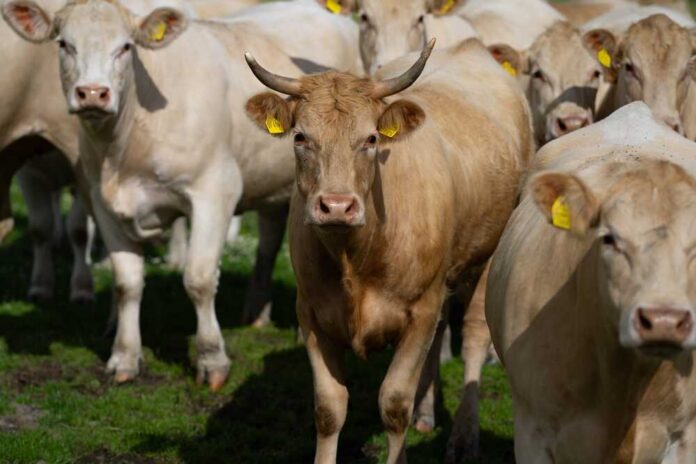
Wyoming ranchers just got hit with a three-front storm: drought, soaring costs, and a sudden import shock that rattled cattle prices overnight.
Story Snapshot
- Drought and heat are forcing herd cuts and costly feed buys, shrinking margins.
- A 90-day tariff waiver on imported lean beef raised price fears on cull cows.
- Markets dropped on the announcement, adding stress to already tight operations.
- Economists say imports are small in volume but big on short-term market signals.
What Changed, When It Hit, And Why It Matters
President Trump approved a 90-day waiver that allows extra-lean ground beef imports with lower tariffs. The policy aimed to ease record beef prices for families. Wyoming ranchers saw something else. They saw immediate pressure on the market for cull cows, which produce the lean trim used in ground beef.
Cattle futures fell right after the announcement, signaling lower checks at the sale barn in the short run. University and industry analysts describe the waiver as narrow, but impactful where it lands.
Lean trim is a specific slice of the beef market. It is not ribeyes or top sirloin. The policy channels extra supply into that trim stream. That puts the heaviest squeeze on older cows, which ranchers sell when pastures dry up or when they need cash.
Wyoming producers were already in that bind from drought, which limits grass and raises hay costs. When drought forces more cull sales and imports arrive at once, prices on those cows wobble first.
Drought Turned Routine Choices Into Painful Ones
Ranchers across Wyoming faced a dry, scorching season. Many hauled water, reduced stocking, or paid high prices for hay just to hold herds together.
Others sold cattle they would rather have kept for breeding. Several reports describe hay approaching $300 per ton in parts of the state, with producers paying steep premiums for out-of-state deliveries when local fields failed. The math turns fast: less grass, more feed purchases, more cows headed to town, and thinner profits even with strong retail beef prices.
These choices are not just seasonal. Long drought stretches strip equity from ranches. The University of Wyoming’s drought guidance shows how dry years can drag down profits across whole price cycles. The blow is not only feed bills.
It includes forced sales timing, lost genetics, and the cost of rebuilding later when prices and rain finally line up again. That is why short-term market dips hit harder now. Ranchers have less budget slack and fewer ways to wait things out.
Costs Climbed While Policy Shifts Nudged Prices
Fuel, fertilizer, and freight all cost more this year, and many ranchers who usually bale their own hay had to buy it instead. Some turned to early weaning to save pasture.
Others shipped pairs to leased grass in other states. Every option took more cash. Then the tariff waiver arrived. Economists argue the added import tonnage is small nationally.
But even small, well-timed policy shocks can change price expectations fast at the auction ring, especially for cull cows competing head-to-head with imported trim.
State and national coverage captured the split-screen view. Consumers face high beef prices. Ranchers face high costs and weather risk. The import waiver tries to nudge one part of the supply chain, but the ripple runs both ways.
Wyoming sellers saw bids weaken right when drought had already pushed more cows to market. One local market operator summed up the year as one to never repeat, pointing to forced sales and elevated feed costs as the breaking point before policy even entered the picture.
What Common Sense Says About The Path Forward
Producers want stable rules, real competition, and a fair shot to plan. That lines up with protecting domestic production, avoiding sudden policy jolts, and fixing the bottlenecks that jack up costs.
A tight, targeted import policy can make sense when shelves run bare. But the policy should be time-bound, transparent, and paired with tools that keep ranch families whole when drought hits.
That means drought relief that moves fast, water and range investments that stretch scarce rain, and clear trade signals so markets do not whipsaw sellers.
Wyoming ranchers already contending with drought, rising costs and scarce land have faced uncertainty following President Trump's 90-day waiver of higher tariffs on some ground beef imports. https://t.co/pfObADYedq
— CBS Philadelphia (@CBSPhiladelphia) September 8, 2026
Wyoming operators cannot print rain. They can manage risk with culling plans, flexible stocking, and hedging where possible. They also need a runway to rebuild. Extension research shows that drought losses linger for years and compound across cattle cycles. The lesson is simple.
Do not stack policy pressure on top of weather pressure unless the gain to households is clear and the cost to producers is cushioned. Keep America’s ranch base strong, and the beef case stays full without surprise fixes later.
Sources:
cbsnews.com, wyofile.com, ers.usda.gov, aces-drought.nmsu.edu