
Glass fibers in your dog’s arthritis shot sound like a horror story, but this recall shows how modern drug safety can both protect your animals and quietly expose the cracks in our system.
Story Snapshot
- Drug maker American Regent pulled specific Adequan shots for dogs and horses after finding glass fibers in its own reserve vials.
- The recall is nationwide but limited to four lots, not every Adequan product on the market.
- No injuries had been reported when the company decided to recall, making this a classic “better safe than sorry” move.
- Pet owners now face a hard question: how do you trust the next syringe after a scare like this?
Glass fibers in arthritis shots for pets trigger a coast-to-coast recall
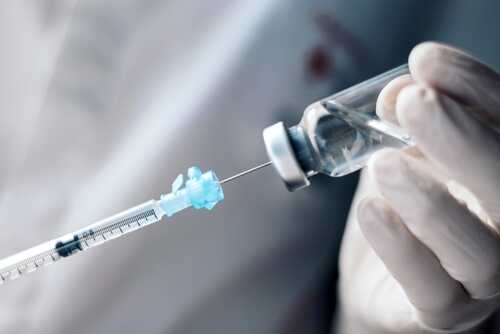
American Regent, Inc. Animal Health told the federal Food and Drug Administration that it found visible glass fibers in retained samples of Adequan Canine Injection and Adequan intramuscular Injection. These drugs are popular arthritis treatments, often used for older dogs and performance horses whose joints are wearing out.
The company responded by recalling two specific lots of Adequan Canine and two lots of Adequan intramuscular across the entire country, from big online pharmacies to small-town vets.
‘Glass Fibers’ Found Inside Dog and Horse Medications Prompt Urgent Nationwide Recall https://t.co/DwIWQV0OxB
— People Pets (@PEOPLEPets) August 7, 2026
The recall covers Adequan Canine 100 milligrams per milliliter, sold in five milliliter multi-dose vials for dogs, and Adequan intramuscular, a 500 milligram per five milliliter single-dose vial for horses.
The affected dog lots, numbered 25011 and 3369, went out between spring 2024 and spring 2025, while the horse lots, 24416 and 25265P, shipped in 2025. That means some bottles may have sat in clinic fridges or home cabinets for months before anyone knew about the problem.
What glass fibers inside an injection can do to a dog or horse
Veterinary and human drug regulators treat any foreign particles in injections as a serious risk, even if no one reports harm right away. When a glass fiber rides in with a shot, it can scrape tissue, trigger swelling, start inflammation, and cause a painful injection-site reaction.
In worse cases, the damaged area can become infected or form an abscess that needs draining, antibiotics, or even surgery. That is why federal guidance flags visible particles in injectables as a clear safety concern.
The Food and Drug Administration notice explains that particulate contamination in injections can lead to local irritation, pain at the site, infection, or abscess formation if the material enters the body.
Pet owners who see their animals as family members expect the same basic protection in a veterinary clinic. On this point, regulators, veterinarians, and most pet owners share the same gut reaction.
Why the company recalled lots before reports of injuries surfaced
American Regent stated that, as of the recall date, it had not received any reports of adverse events tied to the affected lots. That detail matters. The recall did not start because dogs and horses were suddenly showing up with strange wounds.
It started because the company’s own quality checks on retained vials spotted glass fibers in a product that was supposed to be clean and safe. When that happens with an injectable, standard industry practice is to pull the product first and sort out the root cause later.
This approach reflects a “better safe than sorry” mindset. A responsible maker steps up when its own process finds a problem, instead of waiting for the government to drag it there.
On the other hand, the lack of public detail about how the fibers got there leaves an information gap. The recall notice does not explain whether the glass came from the vials, the filling machines, or some other step in the plant.
What pet owners and veterinarians are told to do next
The company and the Food and Drug Administration urged veterinarians, pharmacies, and distributors to stop using any vials from the listed lots and to quarantine them. Clinics must check their inventory, pull any matching lot numbers, and work with the supplier to return or replace those bottles.
Pet owners who find matching lot numbers at home are told to stop giving the shots and contact their veterinarians for guidance and alternate treatment options.
People who believe they or their animals had a reaction from these products can file an adverse event report through their veterinarian or directly through the Food and Drug Administration channels. That reporting system serves two roles at once.
It can bring hidden harm to light, and it can also confirm when a recall truly was precautionary and no wave of injuries followed. A culture that values personal responsibility should welcome both honest reporting and clear public data.
How this recall fits a wider pattern in drug safety
This Adequan recall fits a long-running pattern with injectable drugs in both human and animal medicine. Foreign particles in injections often trigger lot-specific, precautionary recalls after in-house tests, not after a headline-making tragedy. The glass-fiberglass scare here matches that pattern, with the company acting after internal quality checks but before any confirmed injury wave.
On the surface, that should build trust that someone is watching the line. At the same time, repeated recalls across the industry can wear that trust down.
Many pet owners already feel squeezed by high drug prices, complex labels, and a sense that big companies answer first to shareholders, not to families in waiting rooms. When a foreign particle recall lands, it becomes a stress test for that trust.
The right balance is clear rules, tough but fair enforcement, and real transparency. Companies should own their mistakes, fix them fast, and show enough evidence to prove the fix worked, without turning every event into a political circus.
Sources:
foxbusiness.com, usatoday.com, facebook.com, instagram.com