A single lot of trendy pistachio nut butter just turned into a quiet nationwide warning about how fragile our food safety chain really is.
Story Snapshot
- Botticelli Foods recalled one lot of Bettergoods Pistachio Nut Butter after Salmonella showed up in testing.
- The recalled glass jars were sold only at Walmart stores in 19 states, with one specific lot code and date.
- No illnesses are reported so far, but officials told shoppers to stop using the product and return it.
- The recall fits a bigger pattern: nuts and seeds are repeat players in Salmonella scares and outbreaks.
A Popular Walmart Spread Becomes A Salmonella Risk
Botticelli Foods did not set out to make headlines. The company became one anyway when federal food regulators said routine testing found Salmonella in Bettergoods Pistachio Nut Butter sold at Walmart.
The recall does not cover every jar on the shelf. It targets one lot, labeled LB028ACP04, packed in 6.7-ounce glass jars, stamped with a January 28, 2027 date and matching a single bar code. That tight focus tells you this was a surgical move, not a full product meltdown.
Shoppers never see the inspection that sparks a recall. In this case, the Florida Department of Agriculture and Consumer Services tested jars during a routine store check and found Salmonella in three of them, then passed the warning up the chain.
The Food and Drug Administration backed a recall, and Botticelli Foods pulled the lot. Walmart, which carried the spread exclusively, told customers to stop eating it and bring it back for a refund. That quick loop is how regulators try to keep one bad batch from becoming tomorrow’s hospital story.
Where The Risk Was And Who It Touched
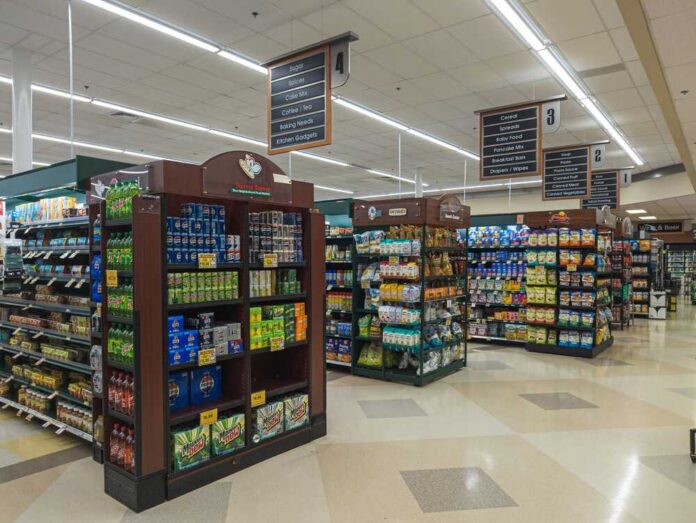
This pistachio spread did not sit in a small corner shop. It was on Walmart shelves across 19 states, from Alabama and Georgia to Washington and Wyoming.
The recall only covers that one lot, but that lot likely traveled through a vast network of trucks and distribution centers before landing on pantry shelves.
Each stop is a chance for a contaminated jar to move farther from the original testing site. When officials say “stop using this now,” they are not scolding. They are closing doors before the problem walks into more homes.
No one has reported getting sick from this nut butter, at least not yet. That is the upside of catching Salmonella through routine checks, rather than learning about it after people land in emergency rooms.
Why Salmonella Loves Nuts And Seeds
This case might feel like bad luck. It is not random. Research on food recalls shows nuts, seeds, and nut products are among the most common foods pulled for microbiological contamination, and Salmonella is a recurring reason.
Public health records in both the United States and Canada tie multiple outbreaks to pistachios and pistachio products, from ready-to-eat nuts to creams and spreads.
Once the bacteria gets into a nut supply, roasting and processing do not always kill every last cell. That leftover risk rides straight into snack jars and breakfast toast.
More than one company has learned this the hard way. Federal data documents a California pistachio producer that recalled products after Salmonella sickened people across several states.
Another firm, Setton Pistachio, faced sharp criticism when regulators concluded the company shipped nuts even after positive Salmonella tests. Those stories form the backdrop for every new pistachio recall.
They explain why regulators move quickly when a new pistachio product tests positive, and why they talk bluntly about the danger, even when only a few jars show contamination.
How Brands And Regulators Shape The Message
Consumers usually hear only a simple script: product name, reason for recall, refund advice. Behind that script are strong incentives. Walmart and Botticelli Foods need the story to stay narrow, tied to one lot and one date, so shoppers do not start doubting every jar in the aisle. Regulators prefer strong, clear warnings that push quick action, even if the evidence comes from a small sample of jars.
RECALL: The FDA has announced a recall of Bettergoods Pistachio Nut Butter because it may be contaminated with Salmonella.
The product was sold at Walmart across 19 states, including Alabama, Georgia and Tennessee. https://t.co/MK8YJPpwYO
— Local 3 News (@Local3News) August 3, 2026
For shoppers, the tradeoff is simple. Broad warnings and fast recalls mean fewer hidden risks in that “healthy” spread you toss in your cart. The downside is recall fatigue. When nuts, seeds, and snack foods show up in alert after alert, people start tuning out. That is why details matter.
Naming the lot code, the exact jar size, and the use-by date helps avoid blanket fear and lets families make clean, practical choices in their own kitchens.
Sources:
walmartcanada.ca, foodpoisoningbulletin.com, efoodalert.com, local3news.com, mibolsillo.co, cremco.ca, foodnavigator.com, youtube.com