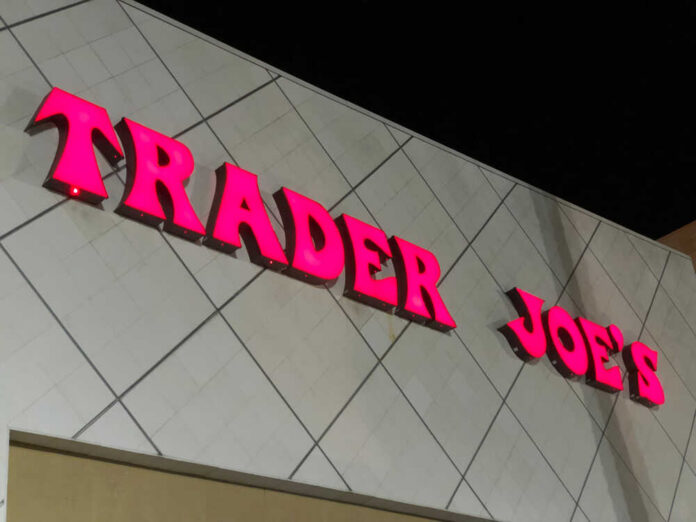
South Korea’s crackdown on Trader Joe’s Everything But the Bagel seasoning turns a pantry staple into a narcotics case, and the reason is simpler than it sounds.
Quick Take
- Police in Seoul blocked online sales of the seasoning after a forensic test found morphine and codeine in poppy seeds.
- The action reached Karrot, where police and the platform added transaction restrictions and removed related listings.
- Authorities say the item has been restricted in South Korea since 2022, long before this latest sweep.
- The dispute is about Korean drug-control rules, not whether the seasoning is popular abroad.
A Snack Item That Triggered Police Action
Seoul Mapo Police Station said it detected and blocked online sales of Trader Joe’s seasoning after a National Forensic Service appraisal found narcotic ingredients tied to poppy seeds.
Yonhap reported that police booked the seller on suspicion of violating the Narcotics Control Act and worked with Karrot to stop the listings from spreading. That turns a casual resale post into an enforcement case with a clear legal edge.
South Korean police crack down on popular Trader Joe's seasoning after controlled substances detected https://t.co/1mbMRpFuYb
— FOX Business (@FoxBusiness) August 8, 2026
The product itself is not the point of debate in South Korea. The point is that authorities say it contains poppy seeds that tested positive for morphine and codeine, which Korean officials treat as controlled substances in this context.
A police official told one outlet that a food sold legally overseas can still count as a prohibited import in Korea. That is the rule shoppers miss until the rules find them.
Why the Crackdown Matters
This is not a one-off panic over a trendy seasoning. The New York Times reported last year that South Korea had already been restricting the item since 2022, and later coverage repeated that the ban was not new.
That matters because it shows the police action fits a longer pattern of enforcement, not a sudden shift based on one viral post. Travelers who assume a familiar U.S. grocery item will pass anywhere are making a costly mistake.
The legal lesson is plain. South Korea treats some food products as contraband when their ingredients touch narcotics rules, even if the item looks harmless on a supermarket shelf.
The seasoning’s poppy seeds sit at the center of that conflict, and reporting says police acted after the forensic finding, not after a social media rumor. For customs officers, the label on the jar matters less than the chemistry inside it.
The Bigger Cross-Border Problem
Cases like this keep exposing a blunt truth about international travel: one country’s ordinary food can be another country’s prohibited item.
That gap creates confusion for tourists, secondhand sellers, and online marketplaces all at once. Karrot’s transaction restriction notice shows how quickly a local platform can become part of enforcement once police decide an item crosses the line. The marketplace becomes the front door for a legal fight.
There is still a narrow open question in the public record: the reports summarize the forensic finding, but they do not publish the full laboratory file or chain-of-custody details. That leaves room for technical review, but not for pretending the core event is unclear.
The established facts are enough to explain the crackdown. Police say they found prohibited substances, blocked sales, and treated the seasoning as a banned import under Korean law.
Sources:
foxbusiness.com, cleveland.com, en.yna.co.kr, reddit.com