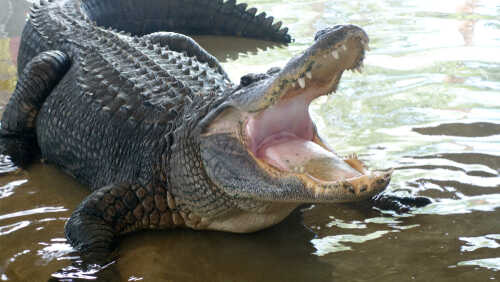
One Florida river afternoon ended with a woman’s arms torn off and a brutal reminder that “rare” does not mean “safe.”
Story Snapshot
- One woman killed and two others injured in separate Florida alligator attacks in late June
- Officials say serious bites are rare, but nearly every freshwater edge in Florida holds risk
- Attacks struck a snorkeler, a swimmer, and a child, all near or in the water
- Wildlife experts push simple rules: distance, daylight swimming, leashed pets, and zero feeding
How A Quiet Weekend Turned Deadly In Florida’s Waters
Florida officials opened the week with a blunt warning after three alligator attacks in a matter of days left one woman dead and two others injured, including a child. The most shocking case came in the Econlockhatchee River near Orlando, where a 31-year-old woman was swimming with friends when an alligator bit her arms so badly she died on the way to the hospital.
On the Rainbow River, deputies closed the water after a snorkeler was bitten, and a separate incident left a child hurt, underscoring how fast a fun day can flip into a life-or-death struggle.[1][2][8]
13-foot alligator captured after woman dies in attack in Central Florida https://t.co/qHResSbNSb
— WWL-TV (@WWLTV) June 29, 2026
State biologists did not talk about panic; they talked about patterns. Warm weather, mating season, people cooling off in rivers and lakes, and animals that see anything near the water’s edge as possible prey.
Florida Fish and Wildlife Conservation Commission data show hundreds of unprovoked bites since recordkeeping began, yet only a few dozen deaths, putting the fatality rate below 6 percent. For busy families and retirees, that low number can sound comforting. For the woman in the Econlockhatchee, the odds no longer matter.[6][10]
What Officials Say About Risk, Odds, And Personal Responsibility
Wildlife officials keep repeating the same core message: serious injuries from alligator encounters are uncommon in Florida, but they are not random. Over the last decade, the state has averaged about eight unprovoked bites a year serious enough to need medical care, and the chance of a resident being seriously hurt is roughly one in 3.1 million.
Those figures back the claim that most Floridians will never see an attack. Yet nearly all fatal incidents share familiar traits: warm months, shallow water, and victims near the shoreline rather than deep in the wild.[4][5][6][10]
Those numbers support a clear view. The government cannot fence every pond, patrol every river, or ban summer swimming in a state built on outdoor life. Officials can track incidents, publish odds, and run warning campaigns.
After that, adults decide how close they stand to the water, whether they let kids wade near an unknown lake, and if they treat “rare” as permission to drop their guard.
The Simple Rules That Decide Who Walks Away
Florida’s safety playbook is blunt and, frankly, boring: keep a safe distance, never feed alligators, swim only in posted areas during daylight, and keep pets leashed well away from the water.
Biologists stress that alligators are most active between dusk and dawn and are opportunistic feeders, which means they strike when a person or pet drifts into their hunting lane.
Pets are a special problem because dogs and cats look and sound like the natural prey these animals already hunt, and many fatal cases start when an alligator goes after a dog and the owner rushes in.[1][2][5][6][14]
The Statewide Nuisance Alligator Program tries to catch problems before they become tragedies. Residents worried about a specific animal can call a toll-free hotline, and the state sends licensed trappers to remove alligators that pose a clear threat to people, pets, or property.
This model fits basic common sense: deal with known danger, do not punish everyone with blanket bans, and expect citizens to speak up when they see a big predator hanging around a swimming hole or backyard canal.[2][4][6]
Where Warnings End And Common Sense Has To Begin
Some critics look at the Econlockhatchee attack and ask why the trailhead, the river, or even the whole area was not closed sooner, or plastered with more aggressive warning signs. Officials counter with a hard fact: alligators live in almost every freshwater body in Florida’s sixty-seven counties, from remote swamps to retention ponds.
You cannot meaningfully “close” the state to alligators without ending normal life. Signs help, but the Collier County attack on a signed trail in Bird Rookery Swamp shows that posted warnings do not always change behavior.[3][8]
The deeper problem is cultural, not regulatory. News clips show families swimming in the ocean only hours after a deadly crocodile attack in Mexico, and social media feeds reward dramatic attack videos more than sober safety advice. That mix trains people to see wildlife incidents as distant drama instead of practical lessons.
From a common-sense view, the answer is not more federal-style control. It is a renewed respect for nature’s power, passed down in families, churches, and local communities, where a simple phrase can save a life: if you would not let your toddler play next to a lion, do not treat a Florida river like a theme park lazy river.
Sources:
[1] Web – Florida alligator attacks leave woman dead, 2 others injured, …
[2] Web – What You Need to Know About Alligators Before Hiking or Paddling …
[3] Web – Alligator Safety – Visit Gainesville
[4] Web – Alligator Safety Tips in Florida Whether you’re kayaking, swimming …
[5] YouTube – Deadly wildlife encounters spark safety warnings ahead of July 4th
[6] Web – Safety Tips for People and Pets – FWC
[8] Web – Alligators in Florida and safety precautions – Facebook
[10] Web – 31 year old woman killed in alligator attack on the econlockhatchee …
[14] Web – What to do when encountering an alligator on a trail in Florida?