
The moment President Trump signed two onstage pardons in Alaska turned a niche emissions case into a national fight over power, punishment, and who gets to define “fixing an engine.”
Story Snapshot
- Trump issued full, unconditional pardons to two Anchorage shop owners at a Wasilla rally.
- The men had pleaded guilty in 2022 to a Clean Air Act conspiracy from a Biden-era case.
- Prosecutors said they removed emissions controls and altered monitors on at least 37 vehicles.
- Trump framed the case as criminalizing repairs and warned of 10-year prison stakes.
What Happened On Stage In Wasilla
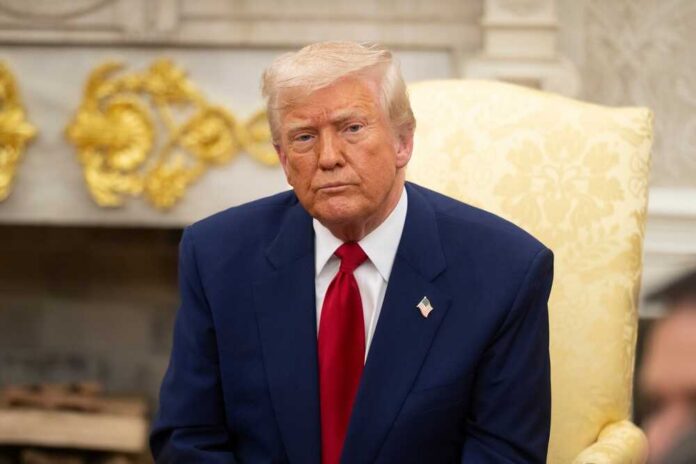
President Trump signed and handed pardons to Zachary Czubak and Patrick Fleming during an October 13 rally in Wasilla. He called them up, announced the pardons as unconditional, and criticized the Biden-era prosecution. The crowd cheered as one man said the case “destroyed families” and insisted they were trying to help Alaskans. Major outlets reported the clemency and the mechanics’ prior guilty pleas. The legal effect forgives the federal offenses; it does not rewrite the court record.
Trump argued the case punished simple engine work and claimed federal threats of a decade in prison. Reporters quickly contrasted that claim with the charge on the books: a conspiracy count under the Clean Air Act. That count can carry up to five years, and the men had received probation, fines, and community service. The White House described the pardons as full relief. The Department of Justice’s prior filings remained unchanged by the spectacle on stage.
What Prosecutors Said The Shop Actually Did
The Justice Department said the Anchorage shop, Arm Rippin Toys, removed federally required emissions-control equipment from at least 37 diesel vehicles and tampered with onboard monitors. The government described “defeat devices” that let trucks run after emissions controls were deleted. Prosecutors tied the work to paid services and said the modifications were not one-off repairs. The plea agreements in 2022 locked those facts into the court record when the owners admitted the conspiracy.
The Environmental Protection Agency has long warned that disabling controls can drive pollution way up. Agency figures say particulate matter can spike around forty-fold, while nitrogen oxides can jump hundreds of times. Those numbers explain why federal teams treat tampering as more than a paperwork issue. Alaska drivers face brutal weather and long distances, but the law sets a clear line on altering required systems, even in tough conditions.
Why This Pardon Lands Differently In Alaska
Alaska depends on diesel. Remote work, winter starts, and supply runs push engines hard. Mechanics and owners often complain that emissions gear fails in the cold and costs a lot to fix. That is the human side Trump tapped: neighbors who keep trucks alive so people can reach jobs and haul freight. Prosecutors counter that rules protect basic health and fairness for everyone who breathes the air, and that many shops follow the law and still keep vehicles running.
Breaking News
Trump signs pardons for Alaska diesel mechanics onstage during rally touting major energy dealsThe president declared every federal permit granted for the 800-mile pipeline while pardoning Clean Air Act defendants
President Donald Trump announced pardons for two…
— News News News (@NewsNew97351204) October 14, 2026
The larger record shows this was not a one-off crackdown. Federal teams have pursued defeat-device and tampering cases for years, racking up dozens of civil and criminal actions and millions in penalties. That track record undercuts claims that the Alaska case was invented out of thin air. It also shows why this pardon will echo: it challenges a long-running enforcement push while rewarding two men who admitted breaking the line set by Congress and enforced by regulators.
How To Read The Clash Through A Conservative Lens
Trump’s stagecraft framed Washington as punishing work and punishing the people who keep America moving. That message resonates when the law feels blind to local reality. Yet the guilty pleas and detailed charges give weight to the other side. The strongest ground is clear: punish fraud and large-scale tampering, not honest repairs. Demand rules that fit real conditions in Alaska. Show mercy when punishment overshoots harm. Keep accountability when conduct is organized, paid, and repeated.
Sources:
trumpinsight.com, foxnews.com, rmb.reuters.com, ground.news, justice.gov, epa.gov, adn.com, thehill.com