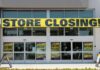

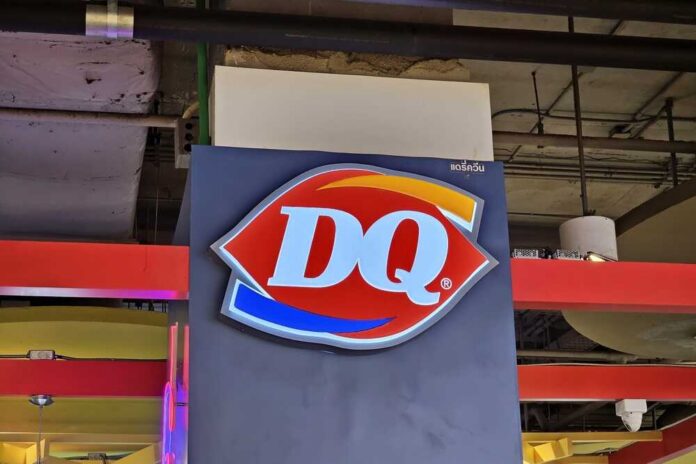
Dozens of Dairy Queen signs went dark not from bankruptcy, but from rulebooks and remodel deadlines that finally had teeth.
Story Snapshot
- Corporate revoked franchise rights for a major Texas operator over missed remodel requirements
- Roughly two to three dozen Texas stores were decommissioned, not liquidated in court
- Closures reflect tougher enforcement of modernization rules across franchising
- Nationwide headlines blurred compliance action with chain-wide collapse fears
What Actually Happened To Those Shuttered Stores
Dairy Queen’s U.S. parent pulled franchise rights from Project Lone Star, a large Texas operator. Local reporting, cited by a national outlet, says the termination stemmed from missed obligations to remodel and modernize stores under the franchise agreement.
That action led to a wave of decommissionings across Texas. This was not a bankruptcy event. It was corporate enforcement of contract terms. Stores closed because the operator lost the right to use the brand, logo, menu, and systems.
Many readers saw the viral claim: beloved chain, dozens of stores gone, is this the end? It is not. The franchise model splits control. The franchisor sets standards and protects the brand. The franchisee runs the day-to-day.
When a franchisee fails to make required upgrades, the franchisor can terminate the agreement. That is what happened here, according to cited reports. The signs came down because the contract ended, not because the brand failed.
Why Remodels Became A Line In The Sand
Modernization is not cosmetic fluff in fast food. Remodels drive sales, cut energy costs, and support new kitchens and mobile pickup. American Dairy Queen Corporation details its system and obligations in its franchise disclosures, which frame how units operate and invest.
The current development push favors the Grill and Chill format with stronger food sales and drive-thru flow. The company has even dangled cash for new builds under that prototype, showing where the brand wants to go.
Dozens of Dairy Queen locations have closed across the United States as some franchise operators face financial challenges and corporate compliance disputes. https://t.co/WvcBupHQt4
— FOX 9 (@FOX9) July 11, 2026
That direction creates friction for older stores. Remodels can cost seven figures and demand downtime. If margins are thin, owners delay. Delay becomes default. Default risks termination. The brand faces its own math: slow units with dated looks hurt customer trust and drag marketing.
Corporate leaders across the industry now enforce the rules faster. When brands invest in national ads, they need every store to match the promise on screen. That is the trade of franchising: carry the flag, meet the standard.
The Texas Flashpoint And The Headline Problem
Texas closures hit hard because Dairy Queen is a local institution there. One operator’s termination cascaded into two to three dozen dark units within weeks, triggering auctions and confusion. Reports tied the action to missed remodel obligations and contract terms, not a system cash crunch.
Yet social feeds spun a different tale. Many posts framed it as a chain in free fall. That leap muddied the truth and scared communities that still have viable, compliant stores open.
Readers should separate three things. One, the franchisor’s right to enforce standards under the franchise rules. Two, the operator’s duty to invest and keep stores up to code and brand specs.
Three, the public narrative that treats any cluster of closures as proof a chain is dying. On the record, no robust counter from the terminated operator has surfaced to dispute the remodel violations. That silence leaves the compliance story standing as the best-supported account.
What This Signals For Franchise Owners And Customers
Franchise owners should expect stricter timelines, clearer upgrade paths, and less patience on misses. The franchise disclosure package and development materials outline costs, royalties, and system expectations, and they are not vague about control rights.
New Grill and Chill units, along with cash offers to spur builds, show where capital wants to flow next. Owners who cannot bridge the gap between old and new may exit rather than sink more cash into outdated boxes that cannot compete.
For generations of Americans, Dairy Queen wasn’t just a place to grab a Blizzard. It was where Little League teams celebrated championships, grandparents treated grandchildren after church, teenagers worked their first jobs, and small-town communities gathered on summer nights.…
— Common Sense with Chad Law (@chadparkerlaw) July 10, 2026
Customers will notice fewer tired dining rooms and more unified menus, lanes, and pickup spots. That is good for the brand and the guest. It also means beloved legacy stores could close if owners refuse or cannot fund the leap.
Contracts and standards protect the value of the sign above the door. If you wear the jersey, you run the plays. When that breaks down, the brand has to call the game. Texas showed what that looks like at scale.
Sources:
foxbusiness.com, franchisedirect.com, restfinance.com