
Homeland Security launched a coast-to-coast Immigration and Customs Enforcement sweep aimed at people accused of scamming food stamps, and agents started with handcuffs, not headlines.
Story Snapshot
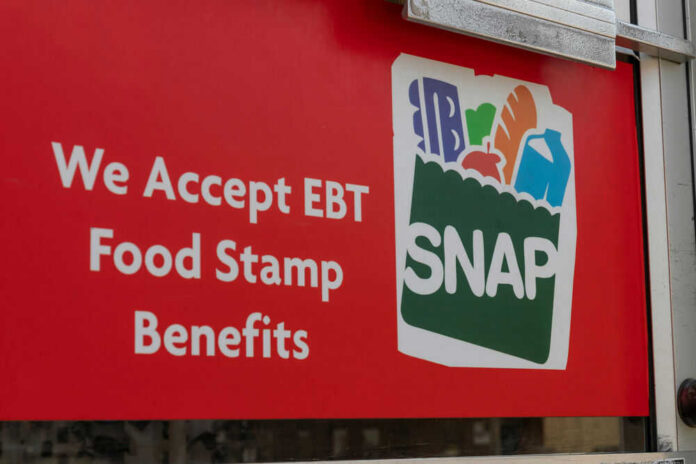
- Department of Homeland Security began a nationwide operation focused on alleged Supplemental Nutrition Assistance Program fraud by people here unlawfully.
- Immigration and Customs Enforcement named initial arrestees and said each entered the country illegally and then accessed benefits through deception.
- Officials framed this as a sustained push, not a one-day stunt, with multiple early arrests reported.
- SNAP rules allow some noncitizens and U.S.-citizen children to qualify, but this operation targets alleged lying or concealment, not mere receipt.
What DHS Says Happened And Who Got Arrested First
The Department of Homeland Security said Immigration and Customs Enforcement kicked off a national effort to catch people who entered the country illegally and then lied to get Supplemental Nutrition Assistance Program benefits. Reports named four Haitian nationals as the first arrests: Rubstony Junior Theodore, Wilbert Jean Baptiste, Louis Jean, and Jhensly Charles. A separate report listed a Cuban national, Elizabeth Povea Rodriguez, as part of the early actions. Officials described more arrests to come.
Immigration and Customs Enforcement framed the campaign as a program-integrity push with teeth. The agency’s message drew a hard line between lawful benefits and lying to get them. The stated focus is fraud—false facts on applications, hidden income, or similar conduct that would make someone ineligible. The agency’s language was forceful and aimed at deterrence. Officials called this the opening move in a sustained effort across multiple states.
What Counts As Fraud Versus Lawful SNAP Use
Federal rules bar undocumented adults from getting Supplemental Nutrition Assistance Program benefits, but households with mixed status can still include eligible members, like U.S.-citizen children. That nuance matters. Fraud requires deception—like hiding income, misreporting who lives in the home, or using a false identity. The reported operation aims at those accused of crossing that line. It does not target families who receive benefits lawfully for eligible members.
Program integrity has been a running fight. The Government Accountability Office reported that states made many improper Supplemental Nutrition Assistance Program payments in fiscal year 2023, often because eligibility checks fell short. The United States Department of Agriculture has also cited billions in improper or suspect payments in recent reviews. Those figures do not equal proven fraud in court, but they show a broad problem that enforcement agencies say they must address.
Why DHS Is Pairing Immigration Enforcement With SNAP Oversight
Homeland Security has authority to remove people who entered the country illegally. When agents see signs of benefit deception tied to those individuals, the agency can act on both fronts. That pairing zeroes in on conduct that offends common sense: break immigration law, then take help meant for people who qualify under the rules. Many Americans see that as unfair to taxpayers and to needy families who play by the book. The agency’s emphasis matches that view.
DHS launches nationwide ICE operation targeting illegal immigrants accused of SNAP food stamp fraudhttps://t.co/2sAmARloJn
— Liz Cartee (@CarteeLiz) October 21, 2026
Officials and lawmakers often point to trafficking of Supplemental Nutrition Assistance Program benefits and other scams as proof the system needs tougher checks. A United States Department of Agriculture study estimated about 1.6 percent of benefits were trafficked in recent years, usually when stores trade cash for benefits at a discount. That is a small share, but the dollar amounts add up fast at national scale. Operations like this aim to push that rate lower by raising the risk of getting caught.
What Comes Next And What To Watch
Immigration and Customs Enforcement signaled a longer campaign with more arrests to follow. Expect coordination with state welfare offices, the United States Department of Agriculture investigators, and local police. Watch for cases that detail how the alleged deception worked—fake identities, hidden income, or ghost addresses. One brief caveat applies: arrests are allegations until a court rules. But the agency has put its marker down and tied names to a specific claim of Supplemental Nutrition Assistance Program fraud.
Sources:
foxnews.com, redstate.com, ground.news, newswav.com, dhs.gov, feeder.co