
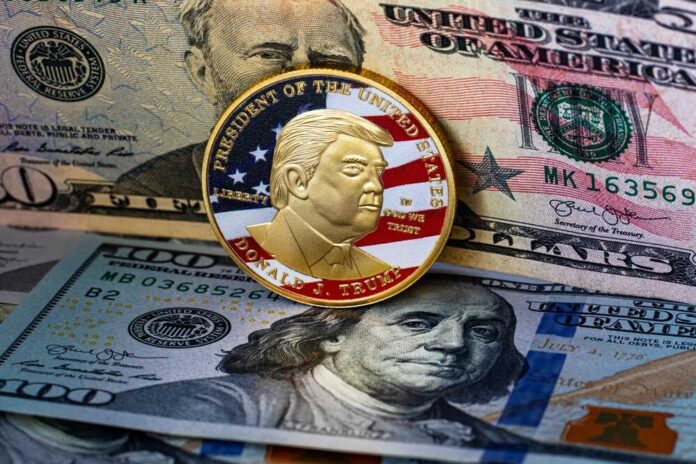
One dinner invitation sparked a $140 million scramble, and the blockchain receipts keep raising questions.
At a Glance
- The dinner happened, with entry tied to holding a specific token.
- Top holders spent huge sums to qualify before the cutoff.
- Analysts linked many leading wallets to foreign exchanges.
- A top holder publicly claimed the number-one spot and planned to attend.
The Rules Were Simple, The Stakes Were Not
The organizers set clear rules in public. The website said the top holders would get invitations. Rankings would use average holdings from April 23 to May 12. The event was scheduled for May 22 at Trump National Golf Club in Washington, D.C. The leaderboard updated in real time, so buyers could see where they stood. That visible race drove demand and price action into the cutoff window. Media tracking the token reported the surge tied to the dinner offer.
The spending that followed looks more like a frenzy than a fundraiser. Analysts told reporters that buyers poured more than $140 million into tokens while chasing access before the deadline. That figure captured the total stake devoted to qualifying, not just the price of a plate. It showed how a market can turn a social perk into a capital event. News crews on the day of the dinner reported that top buyers received tickets as promised.
The Leaderboard Went Pseudonymous, The Questions Went Global
The leaderboard displayed wallet addresses and handles, not legal names. That design matched crypto culture but clashed with normal political vetting. Bloomberg reported that all but six of the top 25 registered holders had used foreign exchanges that say they exclude United States customers. The outlet also said at least 56 percent of the top 220 had similar links. CNBC cited similar patterns from a separate data review, pointing to the same offshore platforms.
These exchange links suggest foreign activity but do not prove citizenship or residency. Tokens can flow through custodians, companies, and mixed pools. Owners can use virtual private networks or nominees. Still, the share of wallets tied to foreign venues creates a real optics problem. The signal most readers see is simple: seats earned by money on platforms most Americans cannot use. That narrative sticks even if deeper records would show a more complex picture.
The Faces Behind The Wallets Stayed Largely Offstage
Most qualifying holders did not reveal themselves. The media described only a few names near the top. One stood out. Justin Sun announced he was the largest holder and planned to attend. CNBC coverage identified him as number one on the board during the run-up to the event. His public status ensured that at least one face at the top tier was known, vocal, and ready to claim the prize.
🔴 Over half of top solana:6p6xgHyF7AeE6TZkSmFsko444wqoP15icUSqi2jfGiPN coin dinner bidders traced to foreign exchanges
A Nov. 22 gala at Trump National Golf Club will seat the 185 largest holders of the solana:6p6xgHyF7AeE6TZkSmFsko444wqoP15icUSqi2jfGiPN meme coin. Analysis of… pic.twitter.com/Mzs9wtrM3E
— NewsTongue (@NewsTongueX) October 14, 2026
Reporters also noted shifting terms on perks for the elite tier. National Public Radio said the website once promised a White House tour for the top 25, then showed a “Special VIP Tour” instead. That change fuels critics who say the rules were flexible after the buy-in. To fair-minded readers, it signals a promotion under stress. To skeptics, it suggests moving goalposts. Either way, the copy edits did not calm the storm around access and influence.
What This Says About Access, Markets, And Common Sense
The dinner took place, and the rules rewarded holders. That is the factual baseline. The harder question is what it means to gate presidential FaceTime through a speculative, pseudonymous market. From a conservative lens, two standards should hold. First, access should be clear, lawful, and fair to Americans who support the agenda. Second, events tied to the presidency should remove doubt about foreign leverage. The reported exchange links do not prove foreign control, but they invite that doubt.
A clean fix aligns with common sense: publish an after-action report. Show the top 220 qualifying wallets, obtain signed control attestations, and disclose the legal names and jurisdictions of the beneficial owners under a vetted privacy protocol. Document what each tier received. If foreign nationals were allowed, say so and cite the policy. If they were screened out, show the method. Sunlight would protect the brand, the office, and supporters who played by the posted rules.
Sources:
cbsnews.com, cnbc.com, bloomberg.com, npr.org, newrepublic.com