President Trump’s decision to cancel a planned “second wave of attacks” on Venezuela demonstrates the power of strategic military leverage in securing critical American interests without prolonged conflict.
Story Highlights
- Trump cancels second military strike after Venezuela releases political prisoners and agrees to oil cooperation
- U.S. naval forces remain deployed offshore, maintaining pressure and deterrent capability
- Senate advances War Powers resolution to limit future Venezuela strikes, sparking constitutional debate
- Major oil executives scheduled for White House meeting to discuss $100 billion Venezuelan infrastructure investment
Strategic Victory Through Strength
Trump announced via Truth Social that Venezuela’s cooperation made additional military action unnecessary. The decision followed Venezuela’s release of large numbers of political prisoners and commitments to rebuild oil infrastructure with American partners.
This approach exemplifies how decisive initial action can create leverage for diplomatic solutions, avoiding the prolonged conflicts that plagued previous administrations.
Trump cancels second wave of attacks on Venezuela after cooperation https://t.co/rVprZyY3dt pic.twitter.com/vltRXQuflX
— New York Post (@nypost) January 9, 2026
Energy Security and Economic Benefits
The administration secured commitments requiring Venezuela to purchase only American-made products using oil revenue, including agricultural goods, medicines, and energy equipment.
Trump scheduled meetings with major oil executives to discuss at least $100 billion in infrastructure investments. This arrangement positions American companies to benefit from Venezuela’s massive oil reserves while reducing global energy prices for American consumers.
Venezuela possesses the world’s largest proven oil reserves, making U.S. influence over its energy sector strategically valuable. The deal structure ensures American economic interests while providing Venezuela with modern infrastructure and technology previously unavailable under socialist mismanagement.
Congressional Overreach Threatens National Security
Despite Trump’s successful resolution of the Venezuela situation, the Senate advanced a War Powers resolution 52-47 to limit future military actions. Five Republicans joined Democrats in this misguided attempt to constrain presidential authority.
Trump correctly denounced the vote as dangerous to national security, calling the War Powers Act unconstitutional and emphasizing how such restrictions embolden America’s enemies.
Vice President JD Vance noted that Republican supporters raised only legal technicality concerns rather than policy disagreements.
However, constitutional war powers belong to the Commander-in-Chief, especially when defending against drug trafficking and other threats to American security. The Senate’s interference undermines the executive’s ability to protect national interests through swift, decisive action.
Maintaining Strategic Leverage
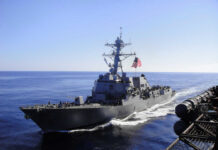
While canceling the second wave, Trump emphasized that U.S. naval forces will remain positioned for safety and security purposes. This measured approach maintains deterrent capability while allowing diplomatic progress to continue.
The president plans to meet with Venezuelan opposition leader Maria Corina Machado, signaling support for democratic transition while preserving American influence over the process.
Trump’s doctrine of “don’t send drugs into our country” reflects common-sense priorities that resonate with Americans tired of failed policies enabling narcotics trafficking.
By maintaining military pressure while securing concrete cooperation, the administration demonstrates how strength-based diplomacy achieves results where previous approaches failed.
Sources:
President Trump says the US will not attack Venezuela again due to its ‘cooperation’
Venezuela live updates as Trump calls off ‘second wave of attacks’