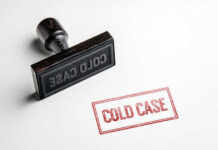


Tiger Woods’ latest DUI case is a reminder that “zero alcohol” on a breath test doesn’t mean a driver is safe—or accountable.
Quick Take
- Florida deputies arrested Tiger Woods after a March 27 rollover crash near his home on Jupiter Island.
- Authorities said a breath test showed 0.00 BAC, but Woods appeared impaired and declined a urine test.
- Woods faces misdemeanor charges for DUI with property damage and refusal to submit to a lawful chemical test.
- The refusal leaves no definitive toxicology results, making the case more complicated than an alcohol DUI.
Crash details and the charges now facing Woods
Martin County authorities said Tiger Woods crashed a Land Rover on March 27, 2026, on Jupiter Island, Florida, during the afternoon.
Reports describe a two-vehicle incident in which Woods’ SUV struck a trailer attached to another vehicle during an attempted pass on a two-lane road, then flipped and slid. Investigators booked him on DUI with property damage and on refusing a lawful chemical test, both misdemeanors.
Deputies administered a breath test at the scene that reportedly showed “triple zeroes,” indicating no alcohol. Officials still described Woods as impaired, with law enforcement publicly emphasizing they did not suspect alcohol from the outset.
That combination—no alcohol reading but observable impairment—shifts the focus to potential drug or medication impairment, a category of cases that often turns on officer observations, field testing, and lab results that may not exist here.
Why the “refusal” matters in drug-impairment DUI cases
Florida’s refusal allegation is not a throwaway add-on; it becomes its own charge while also shaping what evidence exists for the underlying DUI. In alcohol DUIs, a breath result can anchor the case. In suspected drug impairment, toxicology is frequently the strongest objective evidence.
Because Woods declined a urine test, officials said they may never obtain definitive results about what substance caused the impairment, leaving prosecutors and defense lawyers to fight over circumstantial proof.
🚨#BREAKING NEWS — Tiger Woods has been arrested for DUI in Jupiter, Florida following roadside tests.
[Martin County Sheriff’s Office] pic.twitter.com/u7Cu66UdsP
— NUCLR GOLF (@NUCLRGOLF) March 27, 2026
Criminal defense commentary on the case has described it as a drug DUI (DUID) scenario and emphasized that these cases can be more complex to prove than alcohol-related offenses. That complexity is not a technicality—it is a practical reality for juries weighing “impairment” without a clear numerical threshold like a BAC.
The available reporting does not provide a trial date or detailed evidentiary filings, so the public record remains limited to early-stage facts and official statements.
A familiar pattern: the 2017 arrest and ongoing health questions
The 2026 arrest also resurrects the most relevant precedent in Woods’ own history: his 2017 DUI-related arrest, when he was found asleep behind the wheel with the engine running and no alcohol detected. Toxicology in that case later showed multiple substances, and Woods attributed his impairment to a “bad mix of medication.”
Reports indicate that the charge was ultimately reduced to reckless driving, a reminder that outcomes can shift dramatically based on evidence and negotiations.
Woods’ broader context includes a serious 2021 rollover crash in California that caused severe leg injuries and underscored long-term physical challenges. That history matters because it increases public speculation about pain management and medications, but the current reporting does not establish what, if anything, Woods took on March 27.
What is clear is the public-safety baseline: impaired driving—whether from alcohol, prescriptions, or illegal drugs—endangers families on ordinary roads.
Professional fallout as the Masters nears
Golf coverage has focused on what happens next in Woods’ career, especially with the Masters only weeks away. Analysts have noted that Woods may remain legally eligible to compete if physically able, while others argue he should step away from golf to focus on health.
The PGA Tour and tournament officials can face pressure whenever a star is charged, but the available material does not describe any discipline decisions, only commentary and eligibility discussion.
Tiger Woods charged with DUI after rollover crash in Florida: Sheriff
– Not injured
– Passed breathalyzer but refused urine test (used to rest drugs or medication)https://t.co/QB2it8peDA pic.twitter.com/eTahYn1sAi— MaQaveli 🇺🇲🌎 (@MQaveli) March 27, 2026
For many Americans, celebrity cases can feel like a two-tiered system, even when the legal process is routine. In this case, the reported eight-hour custody period reflects standard DUI procedures cited in coverage, and the formal charges are misdemeanors at this stage.
The core unresolved fact remains the same: without a toxicology sample, the public may never learn what caused the alleged impairment, even as the case moves forward in court.
Sources:
Tiger Woods’ future off the golf course after his DUI arrest in Florida
Tiger Woods DUI arrest Florida crash 2026
Tiger Woods future Florida DUI arrest jail release