
The Senate didn’t just pick a new Fed chair—it handed President Trump a lever that can move your mortgage rate, your savings yield, and the cost of groceries in the same week.
Story Snapshot
- The Senate confirmed Kevin Warsh as Federal Reserve chair on May 13, 2026, by a 54-45 vote, with Sen. John Fetterman crossing party lines.
- Warsh replaces Jerome Powell as chair, but Powell stays on the Fed’s Board, keeping an unusual internal power dynamic alive.
- The confirmation comes after a Justice Department probe into Powell delayed the process and was dropped in April 2026.
- Warsh arrives as inflation remains a daily headache and war-related supply and energy disruptions raise the stakes for rate decisions.
A confirmation vote that was really a referendum on interest rates
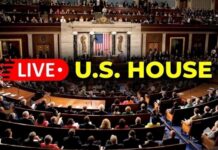
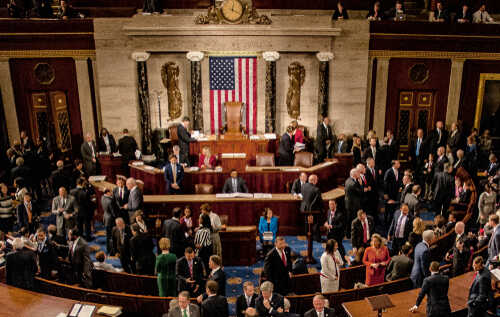
The Senate’s 54-45 confirmation of Kevin Warsh on May 13, 2026, landed like a policy earthquake because the chair’s gavel sets the tone for every rate debate that follows.
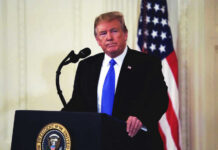
Trump wanted a chair more open to rate cuts, and the Senate delivered. The detail that should keep voters awake: Jerome Powell doesn’t exit the building. He remains a Fed governor, meaning the old chair and the new chair now share the same table.
Sen. John Fetterman’s “yes” vote mattered less as arithmetic than as symbolism. Fed fights usually map cleanly onto party lines because money policy turns into a cultural argument fast: growth versus prices, borrowers versus savers, Wall Street versus Main Street.
A crossover vote signals that the pain of high prices and expensive credit has scrambled typical alliances. When voters feel trapped between rent increases and credit-card APRs, party discipline tends to crack.
The Powell probe drama and what it revealed about independence
The nomination process dragged under the weight of a Justice Department probe into Powell that stalled confirmations until it was dropped in April 2026 by U.S. Attorney Jeanine Pirro, after heavy GOP pressure. The facts of that timeline matter because central banking runs on credibility.
Markets don’t need a conspiracy to lose trust; they only need the whiff of political leverage. Delays tied to law-enforcement action—then sudden clearance—create exactly that whiff.
Fed “independence” isn’t a poetic phrase. It’s a practical bargain: elected leaders set broad goals, and the Fed makes unpopular moves—tightening when inflation bites, easing when recession hits—without checking poll numbers daily.
People should care about that bargain for a simple reason: a politicized central bank can turn into a printing press with a news cycle. That path punishes retirees and savers first, because inflation is a silent tax that never asks permission.
Kevin Warsh’s resume: crisis veteran, rate-cut target, and a pragmatic constraint
Warsh isn’t a lightweight. He served as a Fed governor from 2006 to 2011 and was in the room during the 2008 financial crisis, when the system needed liquidity fast and the public needed reassurance faster.
That experience cuts both ways. It proves he understands emergency tools, but it also means he has lived through the consequences of “too late” responses. A chair with that memory may move quickly—either down or up—if conditions force it.
Warsh has signaled openness to rate cuts, aligning with Trump’s stated push for cheaper money. Readers should keep one loop open, though: chairs can want cuts and still refuse to deliver them if inflation refuses to cooperate.
Borrowers celebrate a quarter-point drop; inflation can erase that “win” at the grocery store within a month. The job is less about pleasing a president than about preventing the kind of price spiral that turns every wage gain into a mirage.
What changes first: mortgages, car loans, and the saver’s quiet rebellion
The fastest channel from Fed leadership to your life runs through expectations. If lenders believe the next chair will lean dovish, long-term yields can slide before the Fed even votes, nudging mortgage rates and auto financing. That’s the upside Trump is chasing: easier credit, more activity, happier headlines.
The downside lands on a different American: the saver. Lower rates compress bank yields and money-market returns, punishing people who did the responsible thing and built cash buffers.
War-related supply shocks—especially those that touch energy and shipping—make the inflation trade-off nastier. Rate cuts don’t pump more oil, reopen disrupted routes, or fix a broken supply chain.
They do increase demand, and demand chasing scarce goods is how inflation sticks around. This says the Fed can’t “stimulus” its way out of shortages. If inflation stays hot, Warsh could face the politically ugly move: holding rates high, or even raising them.
A Fed with two centers of gravity: Warsh takes the gavel, Powell keeps the seat
Powell staying as a Fed governor turns this transition into a slow-burning institutional drama. The chair influences agenda-setting, communications, and the internal culture of risk, but the Federal Open Market Committee is still a voting body with governors and regional presidents.
Warsh can steer; he can’t decree. That reality will frustrate partisans who think a single confirmation flips a switch. Monetary policy moves like a ship, not a sports car.
The bigger political story sits behind the rate story: Senate confirmations have become a tool to shape the Fed’s direction more aggressively, and both parties have flirted with that temptation.
Some can support pro-growth policy and still insist on clear guardrails: transparent reasoning, consistent rules, and respect for the Fed’s mandate. The public loses when every rate decision looks like an extension of campaign strategy, because markets then price in chaos.
Senate confirms Trump pick Warsh as chairman of the Federal Reserve, following Powell https://t.co/nimoxCsN7u
— ABC11 EyewitnessNews (@ABC11_WTVD) May 14, 2026
Warsh’s term begins May 15, 2026, and the first real test won’t be his swearing-in—it will be his first inflation print and the first press conference where he must explain why the Fed is or isn’t cutting. Watch the language.
If he emphasizes credibility, expectations, and the long game, markets will listen. If politics creeps into the rationale, markets will punish everyone, especially households living paycheck to paycheck.
Sources:
Senate confirms Kevin Warsh as Fed chair as Trump presses for rate cuts