

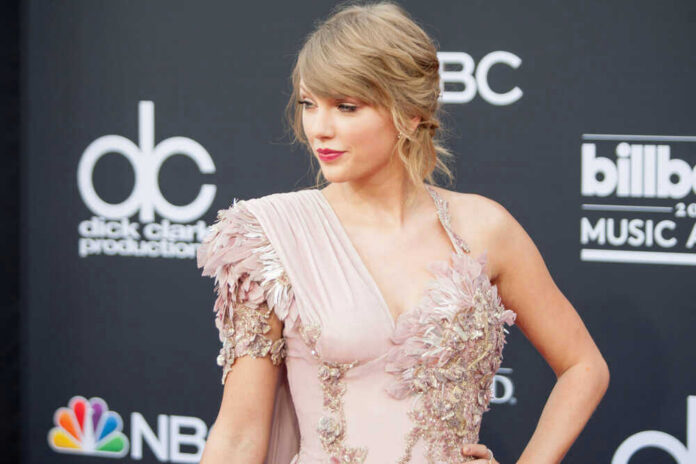
Taylor Swift faces a federal lawsuit from a Las Vegas performer who spent 12 years building a trademarked brand that the pop star allegedly copied despite a USPTO warning.
Story Snapshot
- Maren Wade filed a federal lawsuit against Taylor Swift on March 30, 2026, alleging that Swift’s album title “The Life of a Showgirl” infringes on Wade’s 2015 incontestable trademark “Confessions of a Showgirl”
- The USPTO already rejected Swift’s trademark application in November 2025 for likelihood of confusion with Wade’s mark, yet Swift proceeded with commercial release anyway
- Wade built her brand over 12 years through a column, live shows, a book, a podcast, and theatrical productions, while Swift never sought permission before using a similar title
- The lawsuit seeks unspecified damages and an injunction halting Swift’s use of the title, potentially disrupting millions in merchandise sales
David vs. Goliath Trademark Battle
Las Vegas performer Maren Wade filed a federal lawsuit against Taylor Swift, UMG Recordings, and Bravado International Group Merchandising Services, alleging trademark infringement, unfair competition, and false designation of origin.
Wade’s complaint centers on Swift’s 2025 album title “The Life of a Showgirl,” which Wade argues is confusingly similar to her federally registered and incontestable trademark “Confessions of a Showgirl.”
Wade launched her brand in 2014 as a column in Las Vegas Weekly, expanding it into live performances, a book, a podcast, and theatrical productions, all protected under her 2015 USPTO trademark registration.
Taylor Swift is facing a new lawsuit over her latest album, "The Life of a Showgirl," which accuses the singer of trademark infringement. https://t.co/nwCNyT85Dm
— CBS Mornings (@CBSMornings) March 31, 2026
USPTO Rejection Ignored
Swift’s team applied for a trademark on “The Life of a Showgirl” in August 2025, but the USPTO issued a partial refusal in November 2025, citing likelihood of confusion with Wade’s existing mark.
Despite this official government rejection, Swift and her label proceeded with the album release and extensive merchandising rollout in late 2025 without contacting Wade or seeking permission.
This disregard for both USPTO guidance and Wade’s established trademark rights forms the foundation of Wade’s legal claims.
The USPTO’s suspension of Swift’s trademark application pending final decision underscores the validity of Wade’s concerns about consumer confusion between the two similar marks.
Protecting Small Business From Corporate Giants
Wade’s attorney, Jaymie Parkinnen, emphasized the broader implications for independent creators, stating that trademark law exists to ensure that creators at all levels can protect what they’ve built.
It adds that a solo performer who spent 12 years building a brand shouldn’t have to watch it disappear because someone bigger came along.
This case highlights a fundamental conservative principle: property rights matter regardless of whether you’re a global celebrity or a hardworking small business owner.
Wade’s incontestable trademark status grants her exclusive rights after years of consistent use, yet Swift’s massive commercial machine rolled over those rights without acknowledgment.
The economic disparity is stark, with millions in Swift merchandise at stake versus Wade’s entire career identity concentrated in her singular trademark.
Legal Precedent For Individual Rights
The lawsuit arrives in early federal court proceedings, with Wade seeking unspecified damages, remedies for irreparable harm, and an injunction to halt Swift’s continued use of the contested title.
Both marks target overlapping audiences in music, theater, and performance entertainment, strengthening Wade’s argument for consumer confusion.
The case could set a significant precedent for title protections in the music industry, potentially forcing major labels to exercise more caution when USPTO refusals signal trademark conflicts.
For Vegas performers and independent creators nationwide, Wade’s willingness to challenge a celebrity behemoth signals that intellectual property protections still mean something when backed by legal action, regardless of the defendant’s fame or resources.
Swift’s Silence Speaks Volumes
As of this week, Taylor Swift has issued no public response to the lawsuit, leaving her legal team and record label to navigate the fallout from the USPTO’s prior rejection and Wade’s trademark claims.
The timing creates complications for Swift’s touring and merchandise operations, as an injunction could disrupt ongoing commercial activities tied to the album title.
Short-term impacts include potential sales interruptions, while long-term consequences might require complete rebranding if Wade prevails in court.
The absence of any prior contact between Swift’s team and Wade before the album’s release demonstrates a troubling pattern in which corporate interests assume they can operate without regard for existing trademark holders.
This scenario undermines the protections that help small businesses and independent creators compete fairly in the marketplace.
Sources:
Taylor Swift Being Sued for Copyright Infringement by Vegas Showgirl – Parade
Taylor Swift sued for trademark infringement – Elle Australia