
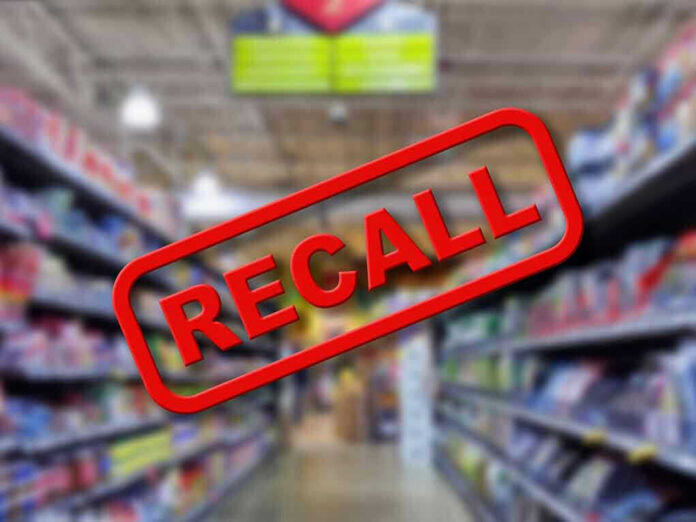
Nearly 25,000 pounds of frozen buffalo chicken were pulled because they skipped a key federal inspection step, and that single gap is the whole story.
Story Snapshot
- Federal officials said 24,900 pounds of frozen buffalo chicken are recalled for missing inspection.
- The products came from Shanghai Ravioli Corporation in Boston, Massachusetts.
- No illnesses were reported at the time of the announcement, but risk cannot be ruled out.
- Federal rules trigger recalls when inspection is bypassed, even without a confirmed pathogen.
What FSIS Found And Why It Matters
The United States Department of Agriculture’s Food Safety and Inspection Service said Shanghai Ravioli Corporation made frozen, not ready-to-eat buffalo chicken without the benefit of federal inspection.
The agency reported a recall of about 24,900 pounds on August 26, 2026. That phrase, “without the benefit of inspection,” signals a break in the basic safety chain.
The government cannot verify how the plant handled raw poultry in those batches, so it moves to protect the public first and sort out the details second.
Nearly 25K pounds of frozen buffalo chicken recalled over inspection lapse https://t.co/ODvbOL0rSy pic.twitter.com/wypeZrQwjC
— New York Post (@nypost) August 27, 2026
Food safety does not run on trust; it runs on records. Inspectors look for temperatures, sanitation logs, and controls that keep raw chicken from cross-contaminating other food. A missed inspection strips away that proof.
The Food Safety and Inspection Service has long treated these gaps as serious. Even when no illness is known, the agency urges people not to serve recalled items. That guidance follows the same common sense you use at home: if you cannot confirm it, you do not serve it.
What Consumers And Foodservice Should Do Next
Check your freezer, then check your invoices. These recalled items are not ready-to-eat, which means they must be cooked. Cooking helps, but it does not fix unknown handling before your kitchen.
If you find the affected products, do not use them. Throw them away or return them to the place of purchase. The announcement did not report any related illnesses at the time, which is good news, but the right move is still to remove risk up front.
Foodservice managers should isolate stock and review receiving records for the production dates and lot codes described in the federal notice. Train staff to flag any box with mismatched labels or missing inspection marks.
A five-minute huddle today beats a frantic call to customers tomorrow. Add a quick review of cooling, thawing, and raw handling steps in your kitchen, so one recall does not turn into two problems.
How This Recall Fits A Larger Pattern
Recalls often sound like a lab found a bug, but that is not always the case. A meaningful share of recalls come from process failures like missed inspection, misbranding, or label errors.
Federal summaries for 2023 recorded multiple cases for products made without inspection, covering more than one hundred thousand pounds. That shows this is not a one-off oddity; it is a known regulatory failure that the system watches for and corrects fast when found.
Experts have explained why this approach is strict. The inspection step is the proof point that the hazard controls worked. When that proof is missing, the risk is unclear.
What “Produced Without Inspection” Really Means
Federal inspection for meat and poultry is not a quick glance at a box. It is a series of checks that cover plant practices, equipment, time and temperature, and labeling. Inspectors also verify that marks of inspection are used only on covered, compliant product.
When a lot slips through without inspection, the chain of custody for safety breaks. The recall process then engages, with public notices, firm responsibilities, and disposal or return steps laid out in detail.
This system may feel rigid, but it works because it is predictable. Businesses know the rules. Consumers know what the inspection mark stands for. When the mark does not apply, the product does not ship, or it gets pulled.
That is the guardrail that keeps a small paperwork miss from becoming a large public health mess. It is also why quick reporting, like this case, is a feature, not a flaw, of a mature safety system.
Sources:
foxbusiness.com, usatoday.com, zeli.app, medicaldaily.com, pubmed.ncbi.nlm.nih.gov