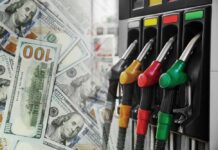


One distant chokepoint in the Middle East just reached into America’s wallet and twisted inflation back to life.
Quick Take
- April 2026 CPI hit 3.8% year-over-year, the hottest pace in nearly three years, and it beat forecasts.
- Energy did the heavy lifting: 40% of the monthly CPI increase came from energy, with gasoline up about 28% year-over-year.
- The Iran war and the Strait of Hormuz disruption turned global oil into a domestic cost-of-living problem almost overnight.
- Electricity prices rose 6.1% year-over-year, with AI data-center demand adding pressure just as fuel costs jump.
- Markets flipped from rate-cut talk to a meaningful chance of a Fed rate hike by late 2026.
The April inflation surprise starts at the gas pump, not the checkout line
April 2026 inflation didn’t creep in quietly; it arrived with a receipt. Headline CPI rose 3.8% from a year earlier, and energy inflation surged to 17.9% year-over-year, the highest since 2022.
Gasoline jumped roughly 28% year-over-year, turning routine errands into budget meetings. Energy also accounted for about 40% of the total monthly CPI increase, which matters because energy doesn’t stay in its lane.
Consumers feel this shock faster than they can adjust. Wages rarely reset at the speed of a fuel spike, so real purchasing power shrinks even if paychecks look steady.
GasBuddy’s Patrick De Haan estimated that Americans have already spent an additional $28 billion on gas since March 1 due to higher prices. That kind of unplanned spending doesn’t just “tighten belts”; it steals from restaurants, repairs, vacations, and grandkids.
A Strait of Hormuz problem becomes an American inflation problem
The key twist in this cycle is geopolitical causation, not an overheated domestic boom. The Iran war and closure of the Strait of Hormuz disrupted supply through one of the world’s most critical petroleum chokepoints, often described as carrying roughly 20% to 30% of global petroleum flows.
Americans don’t vote on shipping lanes, but they pay for them. Oil prices are set globally, so U.S. consumers inherit the risk premium immediately.
Inflation has risen to its highest level in three years, according to federal data released Tuesday, and gas prices in Houston are up more than 50% over the past two months. https://t.co/fsLhiYQVvc
— Houston Chronicle (@HoustonChron) May 12, 2026
The timeline shows how quickly shocks compound. Energy inflation ran at about 0.5% year-over-year in February 2026, then jumped to 12.5% in March, the sharpest increase since late 2022. In April, energy inflation accelerated again to 17.9%. Fuel oil rose more than 50% year-over-year, a reminder that “energy” includes home heating and industrial inputs, not just gasoline signs on street corners.
Why energy inflation spreads into food, freight, and everything you forgot was transported
Energy costs pass through the economy like dye in water. Diesel around $5.64 per gallon puts immediate pressure on trucking and logistics, and those costs show up as higher delivered prices for groceries, building materials, and store inventory.
Food prices rose 3.2% year-over-year alongside the energy surge, and transportation-heavy categories rarely reverse quickly. A summer driving season on top of constrained supply risks is turning a spike into a season-long tax.
Electricity adds a second channel that many households underestimate until the bill lands. Electricity prices rose 6.1% year-over-year, and demand from AI data centers has become a new structural stressor.
That matters for those focused on kitchen-table realism: you can’t ask families to absorb higher gas, higher groceries, and higher utility bills all at once, then act surprised when consumer confidence sours and discretionary spending collapses.
The Federal Reserve’s trap: treat it as “transitory” and risk credibility, overreact and risk jobs
The Federal Reserve can’t pump oil, reopen sea lanes, or refine gasoline faster. It can only tighten financial conditions and reduce demand. That mismatch is why energy-driven inflation is so politically and economically combustible.
Core CPI ran 2.8% year-over-year in April, above the Fed’s 2% target, and services inflation excluding energy hovered around the mid-3% range, signaling that pressure isn’t confined to one volatile category.
Markets reacted the way markets always react when the Fed’s “easy path” disappears: they repriced. Rate-cut expectations for 2026 faded, and talk of a possible rate hike by December gained real probability.
Fitch’s Brian Coulton warned that higher energy prices would squeeze real wages and could push headline inflation above 4% if elevated oil prices persist. That forecast is less about doom than about math: energy reappeared as the dominant input.
Common-sense policy realities: no magic lever, but plenty of bad ideas
Washington faces a temptation to posture: blame, subsidize, cap, or command. Price controls and punitive rhetoric can feel satisfying, but they often reduce incentives to supply and worsen shortages.
The approach starts by acknowledging the constraint: global crude pricing and geopolitical disruptions limit quick domestic fixes. Energy security, permitting certainty, refining capacity reliability, and resilient infrastructure matter more than short-lived talking points.
Households also adapt faster than policymakers. People consolidate trips, shift commuting patterns, delay purchases, and pressure employers to increase wages. Those micro-decisions can turn into macro outcomes if inflation expectations harden.
The open question is whether this shock stays mainly energy-driven or bleeds into a broader wage-price dynamic. The data already show inflation outpacing wage growth for many workers, which is how political patience runs out.
What to watch next: three numbers that will tell you if this gets worse
Three data points will signal whether this becomes a replay of earlier energy-driven cycles. First, the national average gasoline price, already around $4.52 per gallon in mid-May, tells you how much pain is still flowing into transportation.
Second, electricity inflation indicates whether AI-driven demand and fuel costs continue to compound. Third, the headline CPI versus the core CPI reveals whether energy is contaminating everything else—or remains the main culprit.
Searing U.S. energy prices are driving the hottest inflation in years https://t.co/wzIKjGJQzB
— CBS Mornings (@CBSMornings) May 12, 2026
The country has been here before: 2008, the 1970s, and 2022 all proved that energy shocks can quickly break confidence and force the Fed to make choices nobody likes.
The difference now is the combination of a geopolitical supply shock and a surge in modern electricity demand. Americans don’t need a lecture on macroeconomics to understand the bottom line: when energy spikes, inflation isn’t an abstraction—it’s a weekly deduction.
Sources:
Searing U.S. Energy Prices Are Driving the Hottest Inflation in Years
CPI inflation: Iran war, gas prices, energy
United States Energy Inflation News
Hot US inflation print fans fears of Fed rate hike as energy costs spread