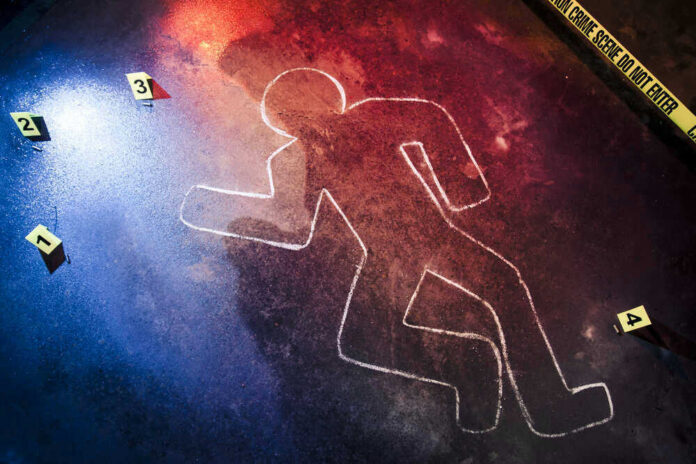
A powerful football boss and logistics magnate was shot dead around 1 a.m. in Plovdiv, and police are treating it as murder.
Story Snapshot
- Police said the killing happened about 1 a.m. at a property he owned in Plovdiv.
- Officials opened a premeditated murder case and sealed the scene.
- Emergency crews confirmed death at the site after a gunshot report.
- The victim led Botev Plovdiv and owned the transport giant PIMK.
What Happened And When Authorities Moved
Police in Plovdiv received a report about a man shot around 1 a.m. local time. Officers and medical teams arrived and confirmed the victim was dead at the scene.
The Plovdiv Regional Directorate of the Interior Ministry and the Plovdiv District Prosecutor’s Office opened a case for premeditated murder.
Senior Commissioner Vasil Kostadinov said the shooting took place at a property owned by the businessman. Officials locked down the area and began evidence collection and interviews.
A Bulgarian soccer club president is shot dead at his home https://t.co/3jvP5mlyMh
— CTV News (@CTVNews) September 30, 2026
Reporters and state media identified the victim as Iliyan Filipov, age 53. He served as president of the Botev Plovdiv football club. He also owned or co-owned PIMK, one of Bulgaria’s largest transport and logistics companies.
Reuters reported that he was killed around 1 a.m. at a property he owned in the city. The club’s leadership later confirmed his death, which echoed across Bulgarian sport and business circles.
Why This Death Hits Bulgarian Football And Business
Filipov stood at the crossroad of two hard arenas: top-flight football and heavy logistics. Both draw big money, sharp rivalries, and strong egos. That mix can attract pressure, envy, and risk.
Bulgaria has felt shocks like this before. In 2005, Lokomotiv Plovdiv president Georgi Iliev was shot dead, a case that still lingers in the sport’s memory. These events shape how fans, owners, and police read any new attack in Plovdiv’s football orbit.
Clubs like Botev Plovdiv are more than sports brands. They are regional flags. They gather sponsors, city pride, and political interest. A leader’s sudden loss can jolt staff, players, and public partners. It can pause deals and delay plans. It can test team morale and fan trust.
Sound management matters in times like this. Clear messaging, steady payroll, and a calm coaching staff can keep a locker room from drifting. Strong boards plan for shocks. Weak ones get exposed.
What Investigators Will Hunt Next
Detectives will map the last 24 to 72 hours of Filipov’s life. They will pull phone logs, vehicle movements, and visitor records at the property. They will seek security video near the perimeter. They will test for gunshot residue and trace the weapon, if found.
They will check for business disputes, debt claims, or threats. They will also scan team and sponsor issues that could reveal pressure points. These steps are routine, but they matter in building a clean chain of evidence.
Officials have not named a suspect or a motive in public reporting. That is normal in the early phase, and it protects the case. One detail stands firm: authorities are treating the homicide as planned, not random.
That frame pushes the search toward people with intent, means, and access. It also fits with the time and place of the attack, which was late at night at a property tied to the victim. Facts like those point to targeted action, not chance.
Why The Facts As Reported Hold Weight
State media, wire services, and local outlets agree on the core facts. They place the shooting around 1 a.m., at a property he owned, in Plovdiv. They confirm death on site. They cite police and prosecutors who opened a premeditated murder case.
When separate institutions match on time, place, victim, and the legal frame, the base story is sound. Details like weapon type or number of shots can wait. The spine of the case is already clear and consistent.
What Common Sense Says About Next Steps
Leaders in sport and business should raise security, tighten access at homes and offices, and audit travel plans. Boards should confirm succession plans and keep teams paid and focused. Police should get full cooperation from club and company staff.
The public should avoid rumor traps and let the case work. Justice needs facts, not theater. When law and order act fast, and institutions stand firm, communities stay calm and criminals lose ground.
Sources:
reuters.com, bta.bg, uefa.com, bntnews.bg