
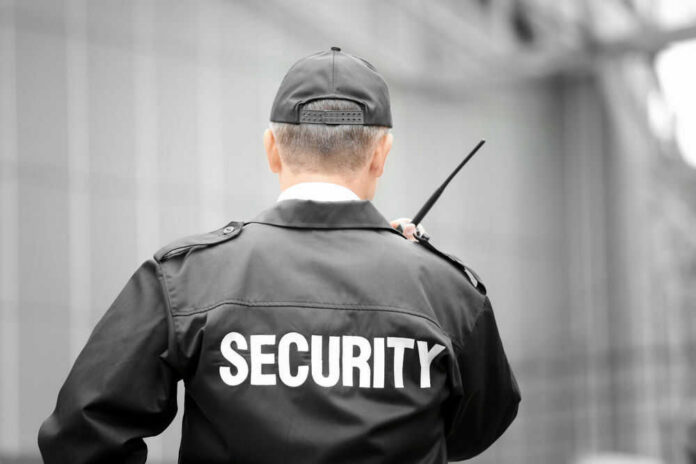
An armed security guard confronted a rifle-wielding attacker within minutes and ended a deadly threat at a sprawling Tampa Citibank campus.
Story Snapshot
- 911 calls started around 12:11 p.m.; deputies raced to the scene within a minute.
- A gunman crashed onto the campus, shot a woman outside, and moved toward a cafeteria.
- A Citibank armed guard engaged the suspect in the cafeteria at about 12:15 p.m.
- The suspect was taken to Tampa General Hospital and died; the woman also died.
Timeline: Four minutes that decided everything
Hillsborough County dispatchers received multiple 911 calls at about 12:11 p.m. The first marked unit arrived roughly one minute later, as reported by Chief Deputy Frank Losat. Witnesses told investigators a man crashed onto the Citibank Center campus, got out with a rifle, and shot a woman near an outdoor seating area. The gunman then entered a cafeteria. A contracted Citibank armed guard met him there and exchanged gunfire at about 12:15 p.m., stopping the threat, according to Losat’s account.
Deputies expanded the response fast. The Sheriff’s Office deployed hundreds of personnel, including tactical teams, to secure the multi-building site and clear thousands of employees. The gunman was transported to Tampa General Hospital and later pronounced dead. The woman he shot outside died from her wounds. Officials did not release names at the time of reporting. Video published by local media appears to show a man on campus carrying a rifle before the cafeteria exchange.
What officials say about motive and the guard’s role
Chief Deputy Losat credited the armed guard with stopping the shooter. He described the shooting as targeted during early briefings while investigators worked to learn whether the suspect knew the victim. That distinction matters, but it does not change the key fact: the armed guard confronted the attacker within minutes and ended the danger to others on site. That aligns with common-sense security planning and the core duty of on-site protection staff.
Officials emphasized the scale of the emergency response, which included establishing perimeters, evacuating buildings, and conducting systematic searches. The guard’s quick action likely narrowed the window of harm. Sheriff’s leaders publicly thanked the guard. That praise reflects a view many Americans share: when evil shows up, trained good people with the right tools save lives. The Citibank campus case fits that view based on the details released so far.
How this fits the bigger pattern of active-threat stops
The Federal Bureau of Investigation (FBI) tracks active-shooter incidents nationwide and has reported dozens in a typical year. Its recent reporting shows that civilians and private security sometimes intervene, though those stops form a small share of total cases. Other analyses argue the share is higher. The competing counts hinge on how researchers define “active shooter” and what they call a “stop.” The Citibank episode clearly shows on-site security stopping further harm.
Breaking News
Horror moment rifle-wielding maniac storms Citibank and kills woman in targeted attack leaving thousands of workers fleeing for their lives
Newly released video captured the horrific moment a rifle-wielding gunman stormed a Citibank campus in Florida before… pic.twitter.com/r2yhppTy7z
— News News News (@NewsNew97351204) November 4, 2026
Private security guards often serve as the first line between a workplace and a violent actor. They bridge a gap between unarmed staff and arriving law enforcement. That middle layer matters most in the first few minutes, when every choice has outsized effect. In Tampa, the guard’s training, location, and will to act met that moment. The Sheriff’s Office account lays out a simple chain: a fast attack, a faster response, and an outcome that, while tragic, could have been far worse.
What comes next for this case and for workplace safety
Detectives will map shots, interview witnesses, and review campus cameras. Citibank will likely audit access controls, guard post orders, and radio procedures. Companies across the country will do the same tabletop drill in their heads. The lesson is blunt: speed and readiness decide outcomes. Clear routes, controlled entries, visible security, and practiced staff raise the odds. The Tampa response shows how layered defense—trained guard plus rapid deputies—can shorten the worst four minutes.
Sources:
fox13news.com, wtsp.com, wfaa.com, news8000.com, whmi.com, fbi.gov, nationalreview.com