
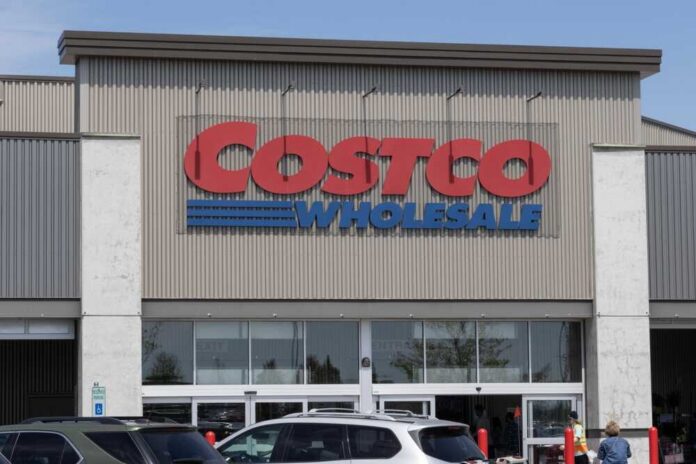
A box of “steak” burritos at Costco turned out to be egg-filled breakfast burritos instead, and that one quiet mix-up was enough to trigger a nationwide food safety alert.
Story Snapshot
- Frozen Red’s Steak, Cilantro & Lime Burritos sold at Costco were found to contain egg that was not listed on the label.
- The U.S. Department of Agriculture’s Food Safety and Inspection Service (FSIS) issued a public health alert tied to specific lots produced on June 19, 2026.
- A single consumer complaint uncovered the problem when they opened the box and found the wrong burritos inside.
- The burritos are off store shelves, but officials warn they may still be buried in home freezers across three Midwestern states.
When A “Steak” Burrito Turned Out To Be Breakfast
A Costco shopper reached for a frozen steak burrito and instead bit into a problem hiding in plain sight. The product was labeled as Red’s Steak, Cilantro & Lime Burritos, but at least some boxes actually contained a different burrito made with egg.
For most people, that is a minor surprise. For someone with an egg allergy, that hidden ingredient can mean hives, swelling, trouble breathing, or a trip to the emergency room.
A labeling error has led the U.S. Department of Agriculture to issue a public safety alert for frozen burritos made by a popular brand and sold in Costco stores. https://t.co/jOYvyXQA99
— FOX 5 NY (@fox5ny) July 29, 2026
The United States Department of Agriculture’s Food Safety and Inspection Service stepped in fast. On July 29, the agency issued a public health alert warning that the mislabeled burritos contained egg that was not declared on the label, making them unsafe for egg-allergic consumers.
This was not a vague warning. Regulators tied the alert to a specific name, Red’s Steak, Cilantro & Lime Burritos, a single production date of June 19, 2026, and an establishment number, EST. 46069.
How Regulators Trace A Quiet Factory Error To Your Freezer
Food safety investigators treat undeclared allergens like loaded weapons in the wrong hands. Once the complaint reached the company, the firm notified the Food Safety and Inspection Service, which then linked the problem to clear product markers: the Red’s burritos produced June 19, lot codes listed in the alert, and the USDA mark of inspection with establishment number EST. 46069.
That traceability lets officials and retailers identify exactly which cartons are risky, instead of sweeping every burrito off the shelf.
The affected products were shipped to Costco warehouses serving Illinois, Michigan, and Minnesota. The burritos were sold in 10-count cardboard cartons, with each burrito individually wrapped.
This matters for home cooks who stock up: even if the outer box is long gone, those establishment numbers and lot codes printed on the wraps can still flag an unsafe item. The Food Safety and Inspection Service urged shoppers to either throw the burritos away or return them to the store for a refund.
Why A Public Health Alert, Not A Classic Recall
The timing created an unusual twist. By the time the Food Safety and Inspection Service confirmed the labeling problem and issued its alert, the product was no longer being sold in Costco warehouses.
That is why the agency did not request a traditional recall, which focuses on pulling items from store shelves. Instead, officials chose a public health alert, which is aimed at you and your freezer. They warned that the burritos could still be buried at home and urged egg-allergic consumers not to eat them.
No reports of illness or adverse reactions had reached federal officials when the alert went out. In other words, regulators moved before documented harm, not after.
The alert lets Americans decide what to do with the food they already bought, armed with the facts that were missing from the label.
The Bigger Story: Undeclared Allergens And Everyday Food Trust
This case fits a pattern that quietly repeats in American grocery stores every year. Undeclared allergens are among the most common reasons for food recalls and health alerts in the United States.
A small packaging or line-clearance error at a factory—like breakfast burritos ending up in steak burrito boxes—can slip through and reach thousands of homes before anyone notices. For allergy families, clear labels are not a nicety. They are a safety net they rely on every single day.
The public record does not explain every technical detail. Officials have not publicly named the exact breakfast burrito that slipped into the packaging, and they have not said whether every carton in the listed lots contained egg or only some portion.
But the core facts are settled: at least some products labeled as egg-free steak burritos contained egg; the mislabeling happened in a traceable set of lots; and the risk for egg-allergic consumers is real enough that a federal alert was justified.
Sources:
foxbusiness.com, simplyrecipes.com, usatoday.com, foodsafetynews.com, parade.com, facebook.com