
America’s families brace for a shock as ground beef is set to hit $10 a pound, exposing the lasting consequences of years of mismanagement and globalist trade deals.
Story Snapshot
- Omaha Steaks CEO warns beef prices will reach $10 per pound by late 2026, straining family budgets.
- U.S. cattle inventory is at a 70-year low, driving record-high demand and prices.
- Trade deals lowering tariffs on foreign beef offer little relief, as domestic supply remains critical.
- President Trump launches DOJ investigation into possible meatpacking industry collusion and price manipulation.
Beef Prices Poised to Hit Unprecedented Highs
Omaha Steaks President and CEO Nate Rempe cautioned on November 14, 2025, that America’s beef bills are set to keep climbing, warning families to expect “$10-a-pound reality” by the third quarter of 2026.
Rempe attributed this surge to the nation’s shrinking cattle supply and record demand—a direct result of a drought leaving inventory at its lowest in 70 years.
The CEO predicted that prices will not meaningfully drop until sometime in 2027, signaling tough times ahead for American households already battling inflation and higher grocery costs.
Omaha Steaks CEO: The supply is going to continue to shrink as fewer cattle go to market. We are headed for $10 a pound ground beef in the grocery store. I don't think we will see prices come down in any meaningful way until sometime in 2027 pic.twitter.com/zldI5MKIX9
— FactPost (@factpostnews) November 14, 2025
Domestic Supply Crisis and Globalist Trade Policy Limitations
Rempe’s warning came as the White House announced new trade deals, including lower tariffs on Argentine beef imports.
However, these agreements do not increase the U.S. import quota, and Argentinian beef only accounts for about 2% of America’s supply. Rempe emphasized that domestic production remains the “super critical component” to keeping prices manageable.
The industry’s “heifer retention” strategy—where ranchers hold female cattle to rebuild herds—currently means even fewer cattle reach market, prolonging supply constraints.
The market’s historic volatility, described by the CEO as a “roller coaster,” makes long-term price stability elusive, especially with current globalist trade frameworks failing to deliver meaningful relief for U.S. consumers.
Record Demand and the Impact on American Families
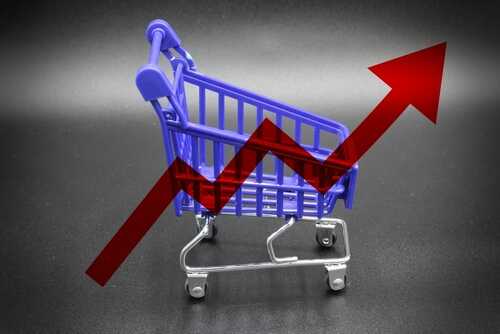
The consumer price index from the U.S. Bureau of Labor Statistics shows beef and veal prices rose 14.7% year-over-year in September 2025, with uncooked ground beef up 12.9%.
These record hikes directly hit American families, stretching budgets and amplifying frustration over years of fiscal mismanagement and unchecked spending.
Rempe acknowledged that Omaha Steaks is leveraging operational efficiencies and inventory management to maintain gift package prices for the holiday season, but ultimately, all companies are subject to the same supply-driven cost pressures.
As more families struggle to afford basic staples, the issue underscores the need for policies that prioritize domestic agriculture, economic stability, and common-sense market solutions.
Trump Administration’s Response: DOJ Investigation and Industry Oversight
In early November 2025, President Trump directed the Department of Justice to investigate major meatpacking companies for alleged collusion, price fixing, and price manipulation.
This decisive action reflects growing concern among conservatives that industry practices—possibly exacerbated by previous leftist policies—have undermined fair market competition and driven up costs for consumers.
The administration’s swift move to restore accountability and transparency in the food supply chain aligns with core values of limited government and protection of the American consumer.
While the investigation is ongoing, many hope it will expose and rectify systemic abuses, ensuring that families are not forced to bear the brunt of corporate greed or regulatory failures.
Industry Adaptation and the Path Forward
Rempe described how Omaha Steaks is using blast freezers and strategic purchasing to buffer against market highs—buying and freezing beef during price valleys to build inventory and extend savings to customers.
This approach, combined with vertical integration and internal efficiency measures, offers a temporary lifeline. Yet, as Rempe candidly acknowledged, all producers remain subject to unsustainable input costs if prices continue to rise.
The current crisis highlights the importance of American companies with competitive advantages and operational flexibility.
For the long term, restoring the health of the domestic cattle industry and ensuring robust supply chains must remain top priorities, lest families continue to face the consequences of failed policies and market manipulation.