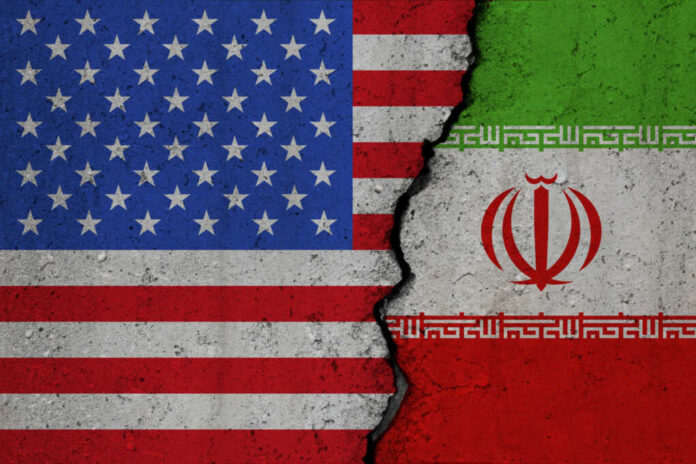
President Trump declared America doesn’t need NATO allies after all 32 member nations refused to join U.S. efforts to secure vital Middle Eastern shipping lanes during the ongoing Iran war, exposing a critical rift in the alliance that defended America after 9/11.
Story Snapshot
- Trump criticized NATO, Japan, Australia, and South Korea on Truth Social after the unanimous rejection of his call for naval support in the Strait of Hormuz
- All 32 NATO allies declined assistance despite U.S. military success in Operation Epic Fury against Iran’s nuclear and missile infrastructure
- President invoked the one-way nature of NATO obligations, reminding allies that only America answered Article 5 after 9/11
- Iran’s threats to global oil supply through Hormuz blockade risk economic fallout as 20% of world oil flows through the strategic waterway
NATO Abandons America During Active Combat Operations
President Trump issued a blistering rebuke of NATO allies on March 17, 2026, after every member nation refused his request for naval assistance in securing the Strait of Hormuz.
The President stated on Truth Social that America “NEVER DID” need allied help and “DO NOT NEED THE HELP OF ANYONE,” marking a dramatic shift from his March 16 warning that allies faced a “very bad future” without participation. This rejection comes during the third week of Operation Epic Fury, the U.S.-Israeli campaign targeting Iran’s nuclear sites, ballistic missile arsenal, naval forces, and military leadership.
President Trump lashed out at NATO countries and US allies for not joining the Iran War effort as the Strait of Hormuz remains all but impassable for commercial shipping.
“This was a great test because we don’t need them, but they should have been there” https://t.co/CRYyC1ED1A pic.twitter.com/H7CGHvlI3Q
— Bloomberg (@business) March 17, 2026
The unified allied rejection represents an unprecedented rebuff during active U.S. combat operations. UK Prime Minister Keir Starmer acknowledged discussions about a “viable plan” but cited complexity in supporting the effort without ending the war first.
Trump’s frustration centers on what he views as NATO functioning as a “one-way street,” where American forces repeatedly defend European interests but receive no reciprocal support when U.S. strategic needs arise. This contrast becomes particularly stark given NATO’s sole invocation of Article 5 mutual defense occurred after the September 11 attacks, when allies pledged to defend America.
Strategic Success Undermines Case for Allied Participation
Operation Epic Fury has achieved significant military objectives according to U.S. officials, with Trump claiming American and Israeli forces have “decimated” Iran’s military capabilities. The campaign targeted Iran’s nuclear infrastructure, ballistic missile sites, naval assets, air defenses, and regime leadership following 47 years of escalating tensions.
These tensions include Iran’s sponsorship of terrorism through proxies like Hezbollah, persistent nuclear program development despite sanctions, and repeated attacks on American assets. The operation represents the culmination of failed diplomacy to neutralize Iran’s nuclear and missile threats to regional stability.
The military success paradoxically strengthens Trump’s position that allied assistance was never necessary. U.S. and Israeli air and naval dominance has been established without NATO participation, validating the President’s “America First” approach to national security.
Representative Dan Crenshaw praised the operation as potentially weakening Iran sufficiently to trigger internal regime overthrow, ending decades of Iranian oppression and terrorism sponsorship. However, Iranian officials told CNN they are prepared for a “long war” with no diplomatic resolution, creating uncertainty about the conflict’s true status despite American victory claims.
Economic and Alliance Implications Threaten Global Stability
Iran’s restrictions on Strait of Hormuz access pose severe economic risks, as the waterway channels approximately 20% of global oil supply. Iranian threats against oil tankers have already spiked energy prices, affecting consumers worldwide and creating volatility across energy markets.
The situation recalls 2019 tanker attacks in the same region that prompted U.S. naval escorts, though current circumstances involve active warfare rather than isolated incidents. The allied refusal to assist with naval security leaves the burden entirely on American forces to protect international commerce through these threatened waters.
Trump slams NATO allies for not joining Iran war effort, says U.S. never needed their help https://t.co/3v5YydOzga
— CNBC (@CNBC) March 17, 2026
The broader alliance implications extend beyond immediate military needs. Trump’s consideration of NATO withdrawal, which he can pursue without Congressional approval, reflects deepening frustration with burden-sharing disparities that have characterized his relationship with the alliance since his first term.
The refusal tests fundamental assumptions about collective security, particularly whether allies will support American initiatives as America has consistently defended European interests. This dynamic threatens long-term U.S.-European relations and raises questions about NATO’s viability when member interests diverge from American strategic priorities during actual combat rather than theoretical mutual defense scenarios.
Sources:
Trump slams NATO allies for not joining Iran war effort – The Independent
Peace Through Strength: President Trump Launches Operation Epic Fury – White House
Trump Gives Mixed War Messaging – Council on Foreign Relations
Trump gives mixed messages about when the war with Iran will end – WVTF