

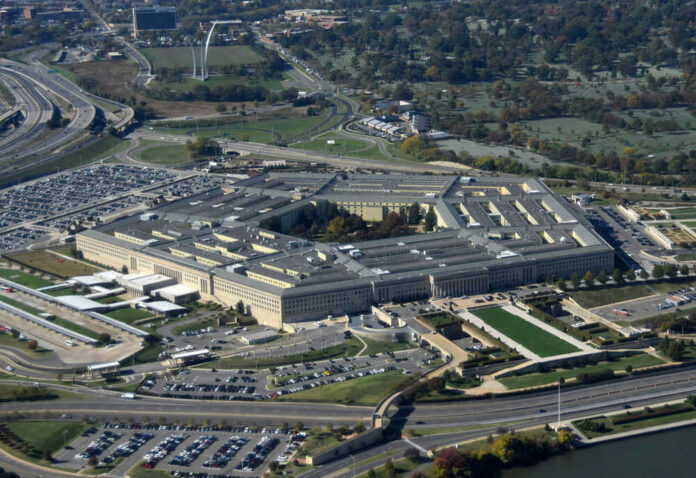
The Pentagon has stripped key job protections from civilian workers and ordered managers to fire underperforming employees with “speed and conviction,” marking a decisive move to purge federal bureaucrats who may resist President Trump’s agenda to restore America’s military strength.
Story Snapshot
- Pentagon removes job protections, orders swift firing of underperforming civilian workers.
- Defense Secretary Pete Hegseth pushes “warrior ethos” agenda, targeting bureaucratic resistance.
- New policy reduces employee appeal time for unfavorable reviews to just 7 days.
- Trump administration cuts 60,000 Pentagon personnel as part of federal workforce reduction.
Pentagon Streamlines Employee Accountability Process
Under Secretary of Defense Anthony Tata signed a September 30, 2025, memo directing supervisors and human resources professionals to “act with speed and conviction to facilitate the separation from Federal service of employees performing unsuccessfully.”
The directive, which became public on October 28, warns that managers themselves will be held accountable if they fail to address poor employee performance in their departments.
Pentagon removes key protections for civilian workers, moves to fire with ‘speed and conviction’ https://t.co/QP3h98uJZC
— The Hill (@thehill) October 28, 2025
Hegseth Drives Military Culture Reform
Defense Secretary Pete Hegseth has spearheaded efforts to remove personnel who obstruct President Trump’s mission to restore a “warrior ethos” to America’s military.
Speaking to hundreds of generals and admirals at Marine Corps Base Quantico, Hegseth emphasized that “personnel is policy,” declaring that having the right people enables advancing the right policies. This approach directly challenges the entrenched bureaucratic culture that has plagued the Pentagon for years.
Pentagon orders managers to fire civilian workers with 'speed and conviction' https://t.co/kb4qmdcfHB
— Fox News (@FoxNews) October 29, 2025
Expedited Firing Procedures Target Bureaucratic Deadweight
The new guidelines utilize Douglas Factors criteria from federal job evaluations, giving managers increased flexibility to address performance issues swiftly and effectively.
Tata’s memo states this approach “empowers supervisors to act decisively when performance undermines Defense Department objectives, reinforcing a culture of excellence.”
Every position supports the mission, meaning deficiencies in any role can warrant strong corrective action against federal employees who fail to meet standards.
Employees now have only seven days to challenge unfavorable reviews, dramatically reducing the bureaucratic delays that previously protected incompetent workers.
This streamlined process eliminates the lengthy appeal procedures that allowed poor performers to remain on taxpayer-funded payrolls while undermining military readiness and effectiveness.
Workforce Reduction Faces Legal Challenges
The Pentagon’s personnel reforms occur alongside broader Trump administration efforts to reduce the federal workforce by eliminating thousands of positions.
Nearly 334,900 Defense civilian employees have been furloughed during the government shutdown, representing nearly half the department’s civilian workforce. However, a California federal court blocked attempts to fire furloughed employees during the shutdown, ruling such cuts likely violated federal law.
Hegseth previously ordered an 8 percent reduction in Pentagon personnel—approximately 60,000 positions—through voluntary buyouts and attrition.
This comprehensive approach targets the bloated federal bureaucracy that has grown unchecked under previous administrations, draining resources from America’s defense capabilities while contributing little to national security objectives.