
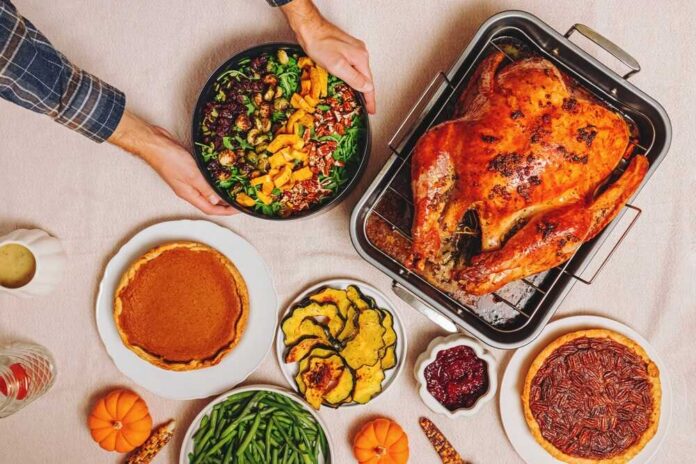
A New Jersey turkey farm raised its Thanksgiving price by 30 cents a pound, saying feed costs forced the call.
Story Snapshot
- DiPaola Turkey Farms cites higher corn and soybean feed costs for a 30-cent price hike.
- Government data shows turkey grower prices rose sharply year over year by late 2025.
- Feed remains the highest cost in turkey production; models assume heavy corn and soybean use.
- Wholesale turkey prices have climbed this year, squeezing small producers.
What Changed For Your Turkey This Year
DiPaola Turkey Farms raised its Thanksgiving turkey price by 30 cents per pound. Owner Artie DiPaola tied the move to higher costs for corn and soybean feed and other inputs. He described the choice as painful because of loyal customers. Fox Business reported wholesale turkey prices are up this year as family farms face higher expenses for feed, fuel, and supplies. The farm’s explanation fits the market trend shoppers feel at the meat case.
United States Department of Agriculture data backs a jump in prices paid to turkey growers late last year. The agency reported $1.18 per pound in November 2025 and $1.21 in December, well above the same months a year earlier. That rise helps explain why farms seek higher holiday pricing. Farmers do not get a pass when their costs go up. They either charge more or eat the loss and risk cutting production next season.
Why Feed Costs Drive The Bird
Feed is the core cost in raising turkeys, and turkeys eat corn and soy meal. Government modeling for poultry tracks a three‑month lag from feed purchase to finished birds, which means spring and summer feed moves hit fall prices. The modeled ration relies heavily on corn and soy. When those inputs rise, the cost to grow each pound climbs with them. That is not theory. It is the math of feed bins, truck deliveries, and daily gain.
The recent price path supports the farmer’s point. Government price indexes show feed grain measures rising at several points in 2025, with corn up from prior months during key windows. Farms lock in feed in steps, not all at once, so even single‑digit percentage bumps can flow through to finished birds by November. Add fuel, labor, and packaging, and a few cents here and there compound fast across a 20‑pound bird.
Family Farms, Tight Margins, And Your Receipt
Smaller producers have less room to absorb shocks. They lack national scale to spread risk or bargain down freight. Reports this month noted wholesale prices up about 12 percent, raising the floor for holiday sales and tightening margins if farms hold retail steady. American Farm Bureau and trade coverage this year also point to a sector recovering from disease losses and cost hits, leaving less cushion when feed firms raise quotes.
Some readers ask whether feed alone explains a 30‑cent bump. That question is fair. Research on food pricing shows limited and slow pass‑through from farm inputs to retail shelves because so much of a food dollar is post‑farm work. Transportation, processing, and store costs add large shares before the final sticker. When those nonfarm costs rise with energy and wages, the retail line moves more than feed math alone would suggest.
Thanksgiving shoppers face higher turkey prices as family farms struggle with rising costs https://t.co/UCjGH1Ebos
— FOX Business (@FoxBusiness) November 12, 2026
What This Means For Shoppers Now
Households do not shop indexes. They shop the weekly ad. Practical steps help. Buy a frozen bird early if storage allows. Compare store brands to local labels and weigh the premium against freshness and service. Consider a smaller turkey and add a ham or extra sides to stretch the table. If you want local pasture‑raised, call now and ask about weights and final pickup timing. Demand near the holiday week can outstrip what small farms can dress and chill in time.
Conservative common sense says price signals should be honest and tied to costs. The DiPaola case lines up with known feed and grower price data, and the farm put a clear number on the increase. That transparency earns trust. Shoppers can reward it by planning and choosing what fits the budget. Farms that face their books squarely and explain the why will still be here next November. That stability keeps choices on the shelf and quality on the plate.
Sources:
foxbusiness.com, esmis.nal.usda.gov, farms.com, capitalpress.com, ers.usda.gov, kansascityfed.org, ag.purdue.edu