
A First Lady, not a general, got Russia and Ukraine to pause the shooting in one battered city—and did it fast enough to move food and people to safety.
Story Snapshot
- The White House credited Melania Trump with brokering a localized ceasefire in Oleshky.
- Russian and Ukrainian officials acknowledged a limited arrangement to pause fire.
- Ukraine’s chief negotiator outlined a three-step plan: ceasefire, aid, evacuation.
- Disputes linger over timing, duration, and who deserves how much credit.
What Was Agreed And Why Oleshky Mattered
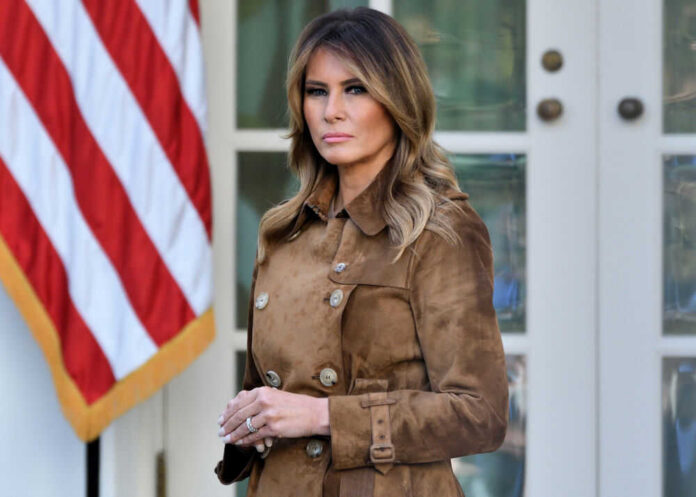
The White House said First Lady Melania Trump secured a ceasefire limited to Oleshky, a Russian-occupied city cut off from basic needs. The plan aimed at two urgent goals. First, stop shooting long enough to deliver food and medicine. Second, set up an evacuation route for civilians who wanted to leave. Ukrainian ombudsman Dmytro Lubinets described the operation in three parts: ceasefire, aid, evacuation—clear, short, and measurable steps. The focus was survival, not politics.
Officials on both sides affirmed the pause existed. Russian and Ukrainian representatives told reporters they had a limited ceasefire for the city, and a Kremlin spokesman acknowledged a coordinating role for the First Lady. That confirmed more than talk from Washington. It suggested real moves at the line of contact. The White House also said non-military teams would handle outreach and transport while an unnamed American media group documented events for transparency. That claimed monitor has not been identified in public reports.
How The First Lady’s Role Was Described
The White House presented Melania Trump as more than a figurehead. It said she initiated contact with both sides, worked through a representative with their leadership, and served as “Exclusive Intermediary” for the terms. That is strong language for a high-stakes war zone. It framed her as the person who moved the process from idea to action for this one city. Kyiv’s ombudsman credited her coordination as the trigger for the talks that followed. That alignment strengthened the basic story.
Questions remain about timing and duration. Washington’s statement pointed to October 29 for the start of the pause. Some reports cited local implementation times on October 27. Those two dates may reflect different time zones or phases, but the public record does not settle it. No end date or full rules of engagement were shared. That lack of a published text is common in wartime pauses but leaves room for doubt about scope and enforcement.
Who Gets Credit And Why It Matters
Competing claims about credit surfaced fast. Vatican officials said Pope Leo XIV started the push days earlier, calling both Presidents Vladimir Putin and Volodymyr Zelenskyy to seek a humanitarian corridor. Vatican Secretary of State Pietro Parolin credited the pope with initiation. Ukrainian leader Davyd Arakhamia described a longer process that involved both the pope and the First Lady, not a solo effort. That account does not deny the ceasefire; it challenges the “who made it happen” headline.
FIRST LADY MELANIA TRUMP SECURES CEASEFIRE BETWEEN RUSSIA AND UKRAINE, LOCALIZED TO OLESHKY https://t.co/d8tvoEqFGK pic.twitter.com/zDpBXUfwQt
— JohnTitor17 (@JTitor17) October 26, 2026
Sorting credit is more than ego. It affects future leverage. If Moscow and Kyiv see the First Lady as a trusted channel for small, fast deals, more local pauses become possible. If they view the pope as the prime mover, they may route similar appeals through the Vatican. From a conservative, common-sense view, save lives first, tally trophies later. The White House should release more details where security allows. Clear terms and a named monitor would build trust for the next lifesaving pause.
What Success Looks Like On The Ground
Success hinges on two tests. First, did the guns go quiet in Oleshky during the window? Second, did trucks roll and civilians move? Ukraine’s president voiced hope that aid would reach people and that evacuations would follow, which signaled an operational plan more than a completed mission at that moment. Humanitarian pauses often work in steps: silence, access, movement. Proof lives in logs, manifests, and witness accounts. Public reporting has not yet shown those final receipts.
Sources:
abcnews.com, cnn.com, apnews.com, bbc.com, people.com